No invasion and no assassinations: Donald Trump's new way to change Cuba
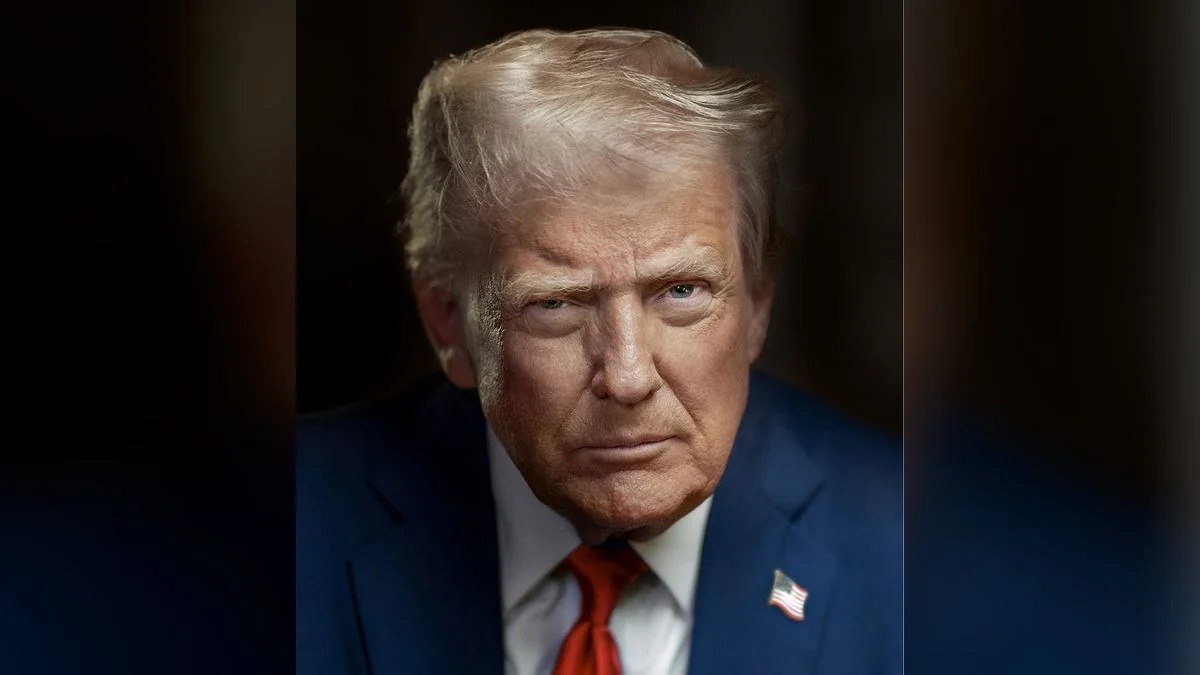
Donald Trump hoped that the Cuban regime would collapse by the midterm elections in November. The forecast did not materialize, and now the CIA is establishing a secret task force designed to increase pressure on Havana and undermine its leadership.
The Central Intelligence Agency of the United States (CIA) has secretly established a dedicated task force for Cuba, with the goal of launching a broad pressure campaign against the government in Havana. This move, reported in the New York Times, is intended to lead to political, economic, and governance changes in accordance with the demands of President Donald Trump.
The task force is expected to rapidly channel financial, human, and technological resources toward the island nation, with the aim of creating cracks in the Cuban political elite and pushing out radical elements in favor of more pragmatic leaders who will be attentive to Washington's demands.
Unlike the task force established in 1960 that led to the failed invasion of the Bay of Pigs, the current force does not include armed Cuban partners and is not authorized to carry out lethal operations. However, it is currently being reinforced with operations officers responsible for recruiting and handling spies, intelligence analysts, and experts in cyber warfare and covert influence operations.
The move comes against the backdrop of the Trump administration's decision to recently define Cuba as a top-tier intelligence priority, alongside rival powers like China and Russia, and, of course, Iran. Consequently, American intelligence agencies have already begun to divert advanced collection resources, including satellites, toward the Caribbean republic.
The new intelligence information is intended, among other things, to assist the United States military in updating its contingency plans for a possible military operation. At the same time, CIA officers will monitor cash flows and overlapping transactions of senior Cuban officials, information that may be leaked to the public in an attempt to undermine the leadership's legitimacy.
In response to the New York Times report, Cuban Deputy Foreign Minister Carlos Fernandez de Cossio said that "the intentions are not surprising," as Cuba has always been a historical target for American subversion. Tensions between the countries reached a boiling point last May, when CIA Director John Ratcliffe arrived in Havana for a rare meeting with Raul Castro's grandson and warned that if Cuba does not take advantage of the window of opportunity for change, it could become the "next Venezuela."
The American warning relies on the rapid and successful overthrow of the Nicolas Maduro regime in Venezuela earlier this year by Trump. Although the president's hawkish advisors initially believed that Cuba would collapse by the upcoming midterm elections in November, the administration admits behind closed doors that the ongoing war of the United States in Iran is draining many resources, and that the overthrow of the Cuban government will likely only be possible after the end of the current campaign.
Meanwhile, espionage efforts on the ground remain challenging: the CIA station in Havana, which was reopened only in 2024 under Joe Biden after being closed following the "Havana Syndrome" events, still suffers from tight Cuban surveillance that disrupts the agents' activities.