Ryanair Announces €500 Million Investment for New Engine Maintenance Facility
Ryanair invests €500 million to build an independent engine maintenance facility in Seville, Spain, aiming to cut costs, bypass supply bottlenecks, and support its expanding fleet.
Engine maintenance has emerged as one of the quietest yet most acute crises across global aviation. Disrupted supply chains, a chronic shortage of spare parts, and unprecedented congestion at third-party maintenance facilities have generated severe engineering bottlenecks, forcing airlines to endure months-long wait times for engine overhauls while grounding valuable aircraft and suspending routes.
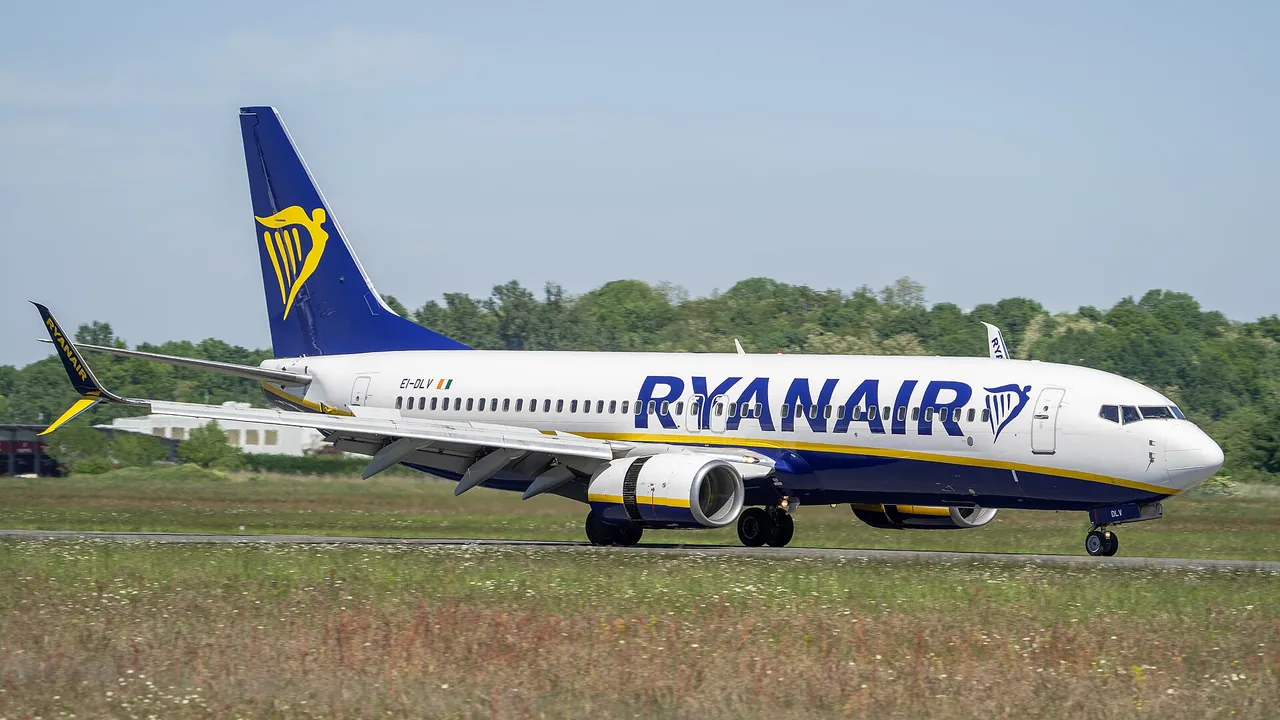
To bypass external suppliers and soaring costs, low-cost carrier Ryanair has announced a €500 million investment to establish an advanced, independent engine maintenance, repair, and overhaul facility in Seville, southern Spain. Scheduled to open in 2029, the facility will grant the airline complete control over the servicing of its core fleet.
Strategic Expansion in Andalusia
The choice of Seville is deliberate, as Ryanair has operated airframe maintenance hangars in the city since 2019, transforming the Andalusian capital into the airline's primary engineering hub in southern Europe. The new facility will specialize in heavy maintenance and engine overhauls for the carrier's Boeing 737 fleet, including the new MAX models, which are projected to scale up to approximately 800 aircraft over the coming decade.
Beyond aviation logistics, the project will generate hundreds of direct jobs for aerospace engineers, technicians, and engine specialists, establishing itself as a key industrial growth driver for the region. Group CEO Michael O'Leary's strategic pivot rests on three distinct business objectives:
- In-house overhauls eliminate Ryanair's reliance on external repair stations, enabling the carrier to prioritize fleet readiness according to flight schedule demands.
- Sparing intermediary markups with subcontractors preserves the airline's ultra-low operating cost structure amid escalating global maintenance expenditures.
- Building an independent infrastructure guarantees support for an expanding fleet without running into operational bottlenecks.
Impact on European Travelers
While the half-billion-euro investment is based in Spain, it holds direct implications for passengers flying with the carrier on intra-European routes. A significant share of flight cancellations and scheduling adjustments in recent years stemmed from aircraft grounded while awaiting parts or technical overhauls.
An independent maintenance center will enable Ryanair to return aircraft to active service more rapidly, bolstering schedule stability during peak travel seasons. Furthermore, by absorbing rising global maintenance expenses in-house rather than passing them on to consumers, the low-cost carrier aims to protect its low-fare pricing model and maintain competitive pressure across the market.
This operational overhaul comes on the heels of the airline's financial results for the first half of the fiscal year covering April through September. Although the company handled a record 125.8 million passengers with a 95% load factor during the six-month period, net profit declined by 15% to approximately €2.15 billion.