France and Germany Move to Safeguard EU Budget Ahead of Presidential Vote
France and Germany are working to insulate the seven-year EU budget from potential political disruption if far-right leader Marine Le Pen wins the French presidential election.
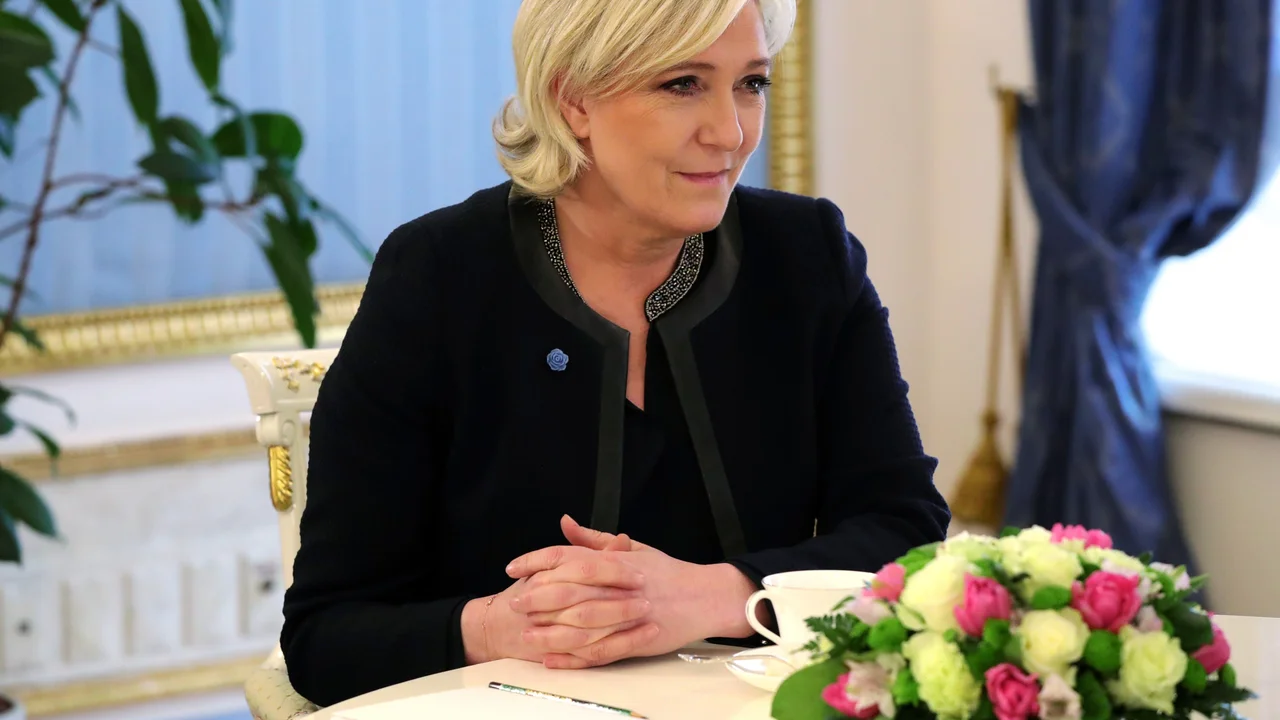
France and Germany are moving to safeguard the upcoming seven-year European Union budget against potential disruption should far-right leader Marine Le Pen win the French presidential election in April. According to reports, Le Pen leads in early polls and has threatened to slash France's net financial contribution to the bloc by half while halting financial support for Ukraine. An aide close to the French leader indicated that she might refuse to ratify the budgetary agreement entirely if she assumes power.
Strategic Financial Demands and Berlin's Condition
In response to these political uncertainties, the French government is demanding an additional 35 billion euros to subsidize domestic agriculture within the framework of the budget taking effect in 2028. Negotiators note that this push aims to lock in economic benefits for Paris and complicate any future attempt by Le Pen to dismantle the agreement. Meanwhile, German Federal Chancellor Friedrich Merz has tied the approval of the EU budget to securing long-term funding for Ukraine, insisting that support for Kyiv remains immune to potential French vetoes. Berlin seeks to anchor Ukraine funding through majority voting rules among member states rather than requiring unanimous consent.
Legislative Timelines and Regional Friction
EU leaders convening in Brussels are initiating discussions on the budgetary proposals with the goal of reaching an agreement by the end of the year. However, the tight electoral calendar in France makes completing the local parliamentary ratification process before the April presidential election highly unlikely. The debate has also sparked friction among other member states, with nations such as Hungary, Bulgaria, Slovakia, and the Czech Republic opposing extra allocations for Ukraine. Furthermore, some European diplomats suspect that Paris is leveraging the threat of a far-right government to extract favorable financial terms for its agricultural sector.