Rome Opens Hidden 2,000-Year-Old Underground Hall at Trajan's Forum
A hidden 2,000-year-old underground hall in Rome's Trajan's Forum has opened to the public for the first time, offering guided tours of newly restored ancient chambers.
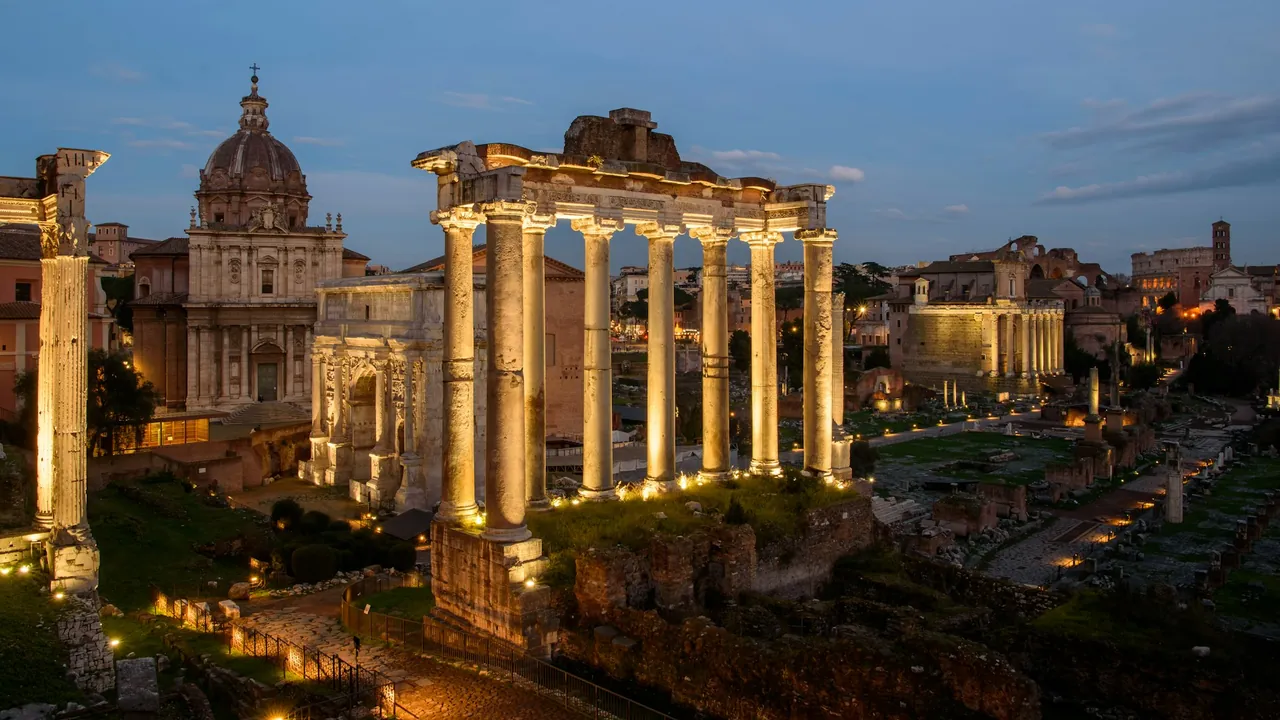
A hidden underground hall at Rome's Trajan's Forum, traditionally identified with the Roman Empire's ancient library complex, has opened for public tours for the first time. Located just steps from the famed Trajan's Column, the site forms part of a newly established museum route carved beneath the Via dei Fori Imperiali avenue.
Opening Details and Admission
At the official opening ceremony on November 16, Rome Mayor Roberto Gualtieri welcomed the initiative, highlighting that these spaces had never before been revealed to the general public. Visitors can plan their trips according to specific operating schedules and ticketing guidelines established by municipal authorities:
- Visiting hours: During the initial phase, the site opens exclusively on Fridays, Saturdays, and Sundays from 09:20 to 15:20.
- Entry format: Access is strictly limited to small groups departing on guided tours every 40 minutes.
- Ticket pricing: Admission costs 7 euros, which also grants access to the main Trajan's Forum complex.
Architectural Highlights and Ancient Artifacts
Traditionally linked as one of the two libraries flanking Trajan's Column, the Ulpian Library served in ancient accounts as a central repository for literary works, official imperial documents, and legal texts, though contemporary archaeological research continues to debate the exact function of these chambers. To safeguard the ancient ruins from wear, visitors traverse the hall on an elevated walkway offering close-up views of preserved original marble flooring.
Along the route, guests can observe prominent architectural fragments including a large capital from the entrance portico and marble decorations that once adorned the wall niches. The display also restores the visual arrangement of the imperial-era niches where scrolls and manuscripts in Greek and Latin were stored.
Restoration and Modern Additions
The underground chamber bears physical witness to the city's centuries of transformation, having been abandoned after the fall of the Roman Empire and buried beneath layers of debris until its rediscovery during 20th-century demolition and archaeological excavation works. A dedicated video presentation illustrates how the rooms and their functions evolved over the centuries.
Intriguingly, museum planners chose to preserve and integrate unique hexagonal reinforced concrete pillars installed during 20th-century structural reinforcement works. Opening this hidden site required a complex restoration project totaling 1,755,000 euros, which involved structural engineering reinforcement and the installation of an advanced waterproofing roof system to prevent water infiltration from the public gardens above.