What to Know Before Buying a Robot Vacuum and Mop: Expert Guide
Choosing a robot vacuum requires looking beyond marketing claims. Experts advise evaluating cleaning mechanisms, floor compatibility, docking station space, and maintenance costs before purchasing.
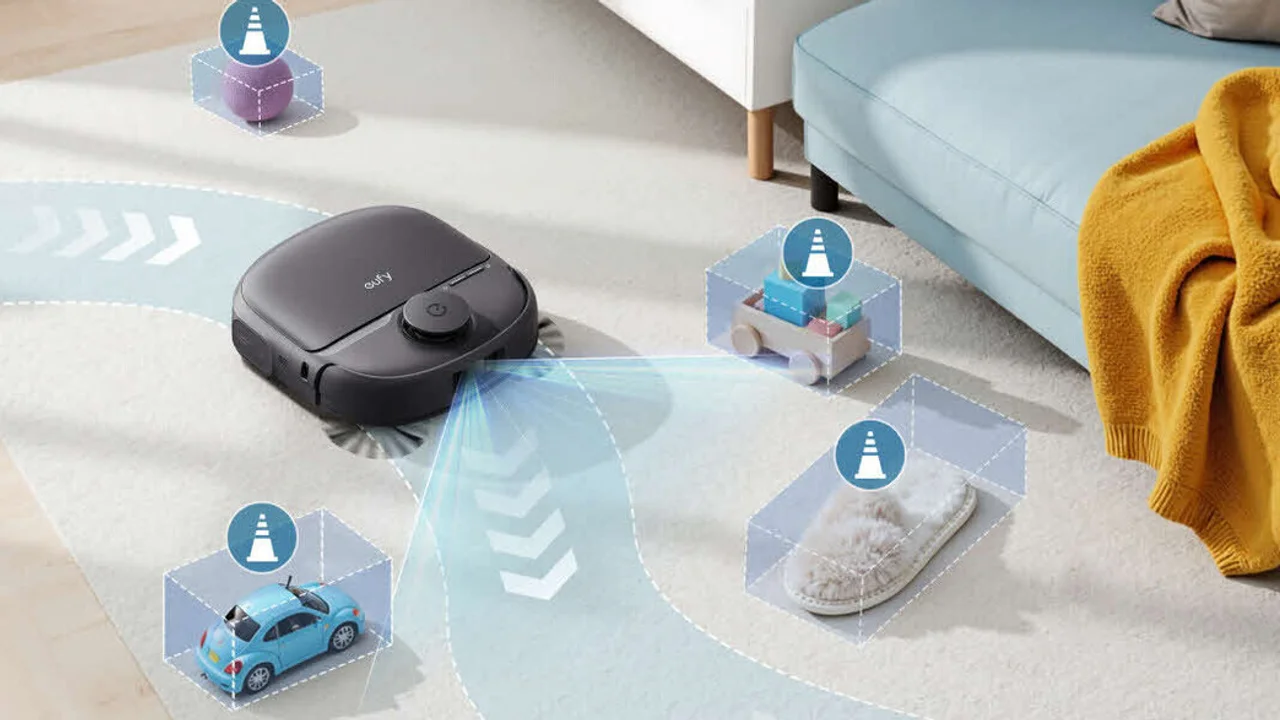
Robot vacuums have evolved from simple dust collectors into advanced cleaning devices capable of washing floors while users are away at work. However, the term "mopping robot" can be misleading, as different devices use entirely different cleaning mechanisms, such as continuous-cleaning rollers or spinning mopping pads.
Understanding the Cleaning Mechanisms
Roller-based systems use a rotating cleaning cylinder that stays in contact with the floor. In continuous-cleaning systems, clean water is pumped onto the roller while a scraper removes dirty water and debris into a separate tank, keeping the roller clean during operation rather than only at the base station.
Spinning pad systems rely on rotating fabric pads pressed against the floor to scrub away stubborn stains. In models equipped with an auto-cleaning base station, the robot periodically returns to wash the pads. The frequency of these returns affects how well the pads clean throughout the cycle.
While continuous rollers offer an advantage in constantly refreshing the cleaning surface, the mechanism alone does not guarantee superior performance. Cleaning results also depend on downward pressure, water volume, surface coverage, and how the device handles persistent stains through pre-wetting functions.
Choosing the Right Device for Your Home
"Many customers come with recommendations from friends, but a device that suits one home does not necessarily fit another. Before choosing, it is important to understand the home size, pet presence, and floor types," explains Stas Gladishev, National Sales Manager at Ronlight Technologies. "People look for the most advanced technology, but assessing actual needs is what ensures a proper match. After-purchase service is also critical."
For homes with carpets, users must check how the device handles wet surfaces when transitioning. Some models lift the mopping system or provide protective covers. For parquet flooring, moisture control must comply with manufacturer instructions. Physical dimensions also matter for low sofas, tight thresholds, and baseboard cleaning.
Station Maintenance and Practical Considerations
Docking stations do much more than just charge the robot; they empty dust, wash cleaning pads, and dry them. However, "self-cleaning" does not mean zero maintenance. Users must still fill clean water tanks, empty dirty water, clear hair tangles, and occasionally replace consumables like filters and cleaning solutions. Evaluating replacement part availability and ease of maintenance before purchasing ensures long-term satisfaction.