Security risks and the Trump administration's race to certify the Qatari plane
A New York Times investigation reveals Donald Trump's personal involvement in promoting the use of the Qatari plane as a presidential aircraft, leading to significant compromises in safety standards.
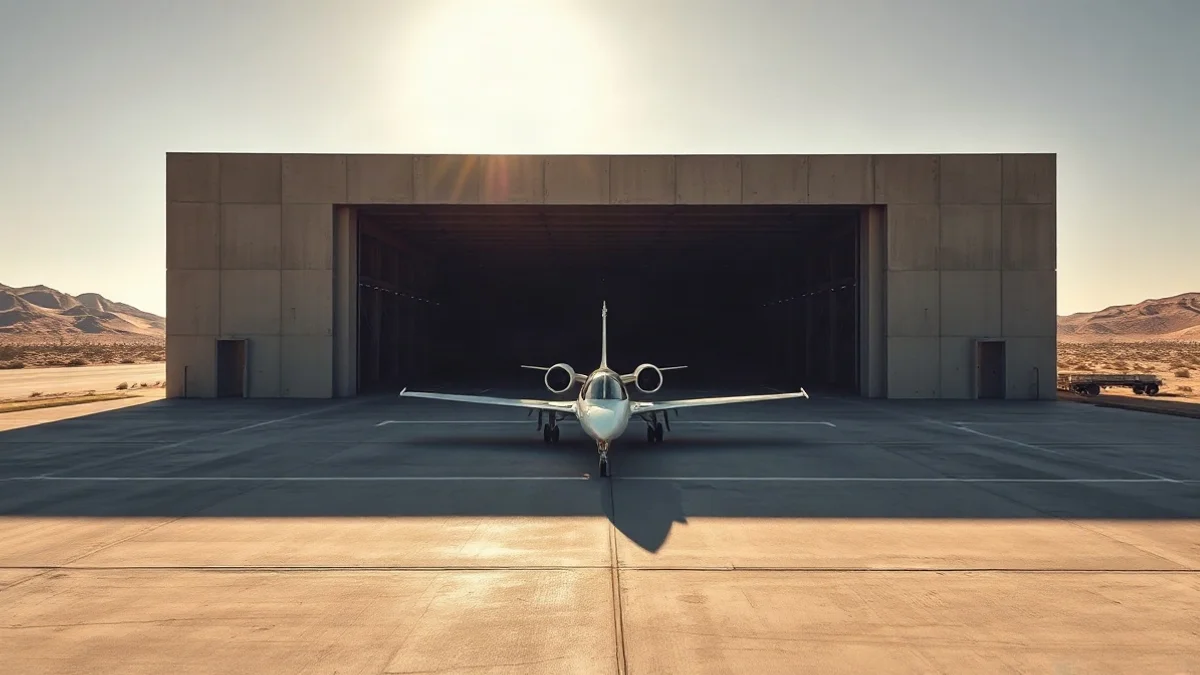
The Qatari plane that became the US presidential aircraft was sent for repairs this week. Reports indicate that it lacks critical safety systems, including a missile defense system. The conversion process was cut by eight months, leading to significant compromises in safety standards. The President personally chose the aircraft and was involved in the decision-making regarding its modernization.
The New York Times revealed unusual details about the process of turning the Qatari plane into an official presidential aircraft. According to the investigation, Donald Trump was fascinated by the plane, which he toured a few weeks after taking office. The double-decker aircraft, previously adapted for the Qatari royal family, featured a luxurious bedroom, a lounge with a chandelier, and suede seats. Qatar gifted the plane to the US Department of Defense, a move that sparked sharp criticism, especially given plans to eventually transfer it to the Donald Trump Presidential Library.
The gift offer came at a convenient time: the construction of new Boeing aircraft to replace the aging Air Force One fleet had been delayed for years, and the President's team requested a temporary replacement. Trump's tour of the plane in February 2025 triggered a frantic race within the White House and the Pentagon. The administration sought to complete the upgrade quickly to meet the deadline for the United States' 250th anniversary celebrations.
Time pressure led to a significant increase in costs and safety compromises. The plane lacks a lower emergency exit for high-risk situations, additional backup power capacity, and an advanced missile defense system. Furthermore, the administration spent hundreds of millions of dollars on pilot training, while the Pentagon attempted to hide the total cost from Congress by funding the work through a classified budget intended for nuclear arsenal modernization.
Due to the pressure, some White House officials initially expected the plane to be used only for domestic flights or visits to countries with US military bases. However, these compromises have already taken a toll: earlier this month, the President was forced to leave a NATO summit in Turkey on a different aircraft following a credible threat identified from Iran's proxies. The White House announced this week that the plane will be taken out of service this autumn for necessary upgrades.