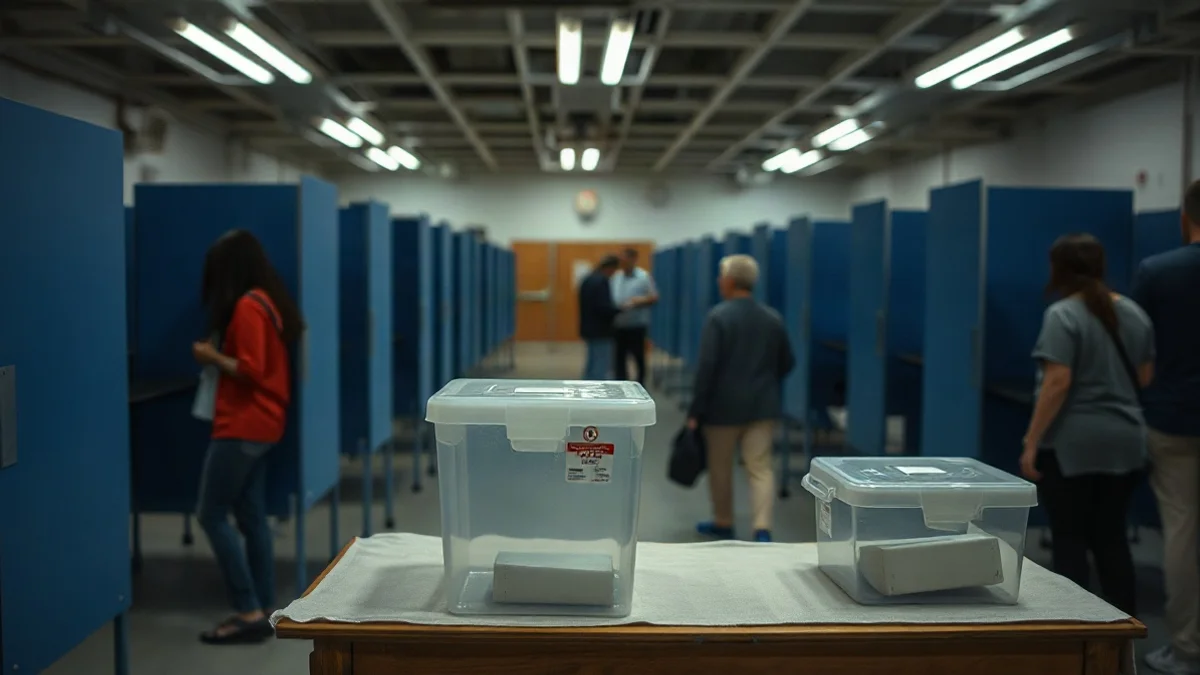
Rehovot and Petah Tikva Mirror National Voting Trends Over Decade
Data from Israel's Central Election Committee reveals that Rehovot, Petah Tikva, and Haifa most closely mirror national voting patterns, serving as a statistical microcosm of the country's diverse political and social landscape.
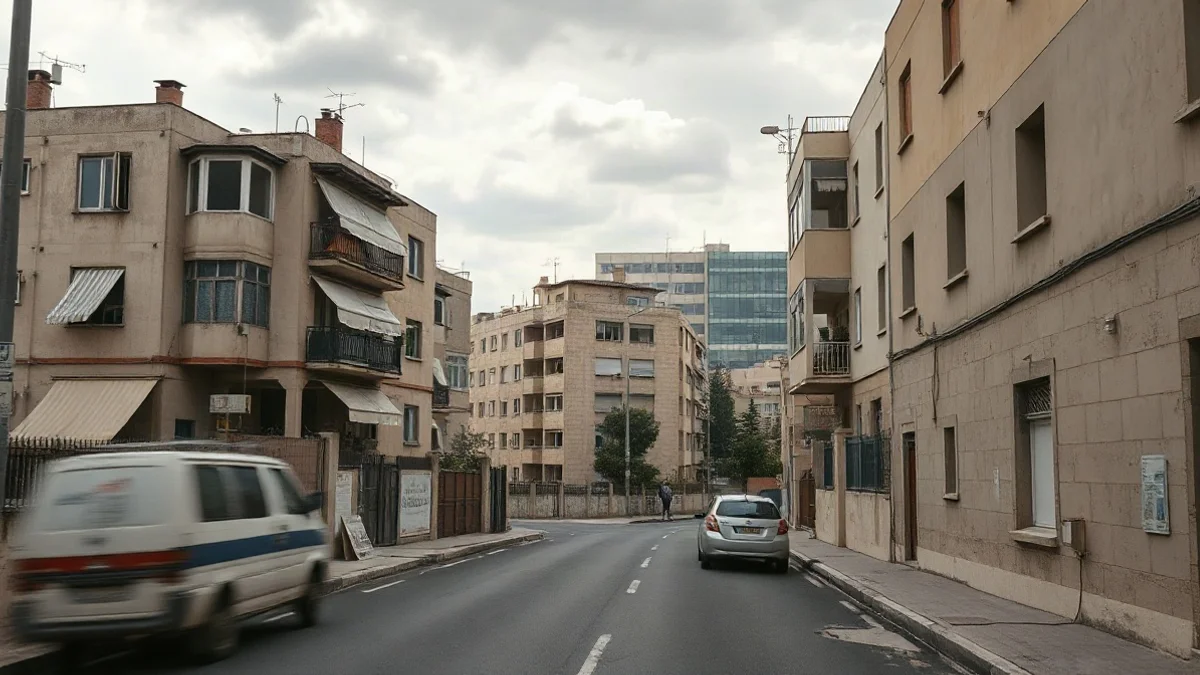
When analyzing voting patterns across Israel, political researchers often look for a microcosm that mirrors the national electorate. According to data from the Central Election Committee spanning back to 2006, Rehovot consistently emerges as the city whose voting results most closely resemble the national average. Petah Tikva ranks second, followed by Haifa.
A Mosaic of Distinct Neighborhoods
Experts explain that this representational accuracy is not the result of truly integrated neighborhoods, but rather of a sharp internal division into distinct socioeconomic and demographic zones within the same municipal boundary. For example, in Rehovot’s HaMada neighborhood, near the Weizmann Institute of Science, Yesh Atid draws strong support, whereas the working-class Marmorek neighborhood leans heavily toward Likud.
Political behavior experts note that these cities are not necessarily 'swing cities' in the American sense. Instead, they represent a statistical aggregate of diverse populations living under one municipal roof. While residents may hold strong, partisan views rather than sitting on the fence, the sheer size and internal variety of these satellite cities produce a close approximation of the national political balance.
The Impact of Housing and Demographics
Sociologists attribute this urban diversity to housing market dynamics. As housing prices in Tel Aviv soar, young families and former Tel Aviv residents relocate to surrounding cities like Rehovot and Petah Tikva, infusing these municipalities with varied demographics.
Professor Lior Sheffer of Tel Aviv University emphasizes that face-to-face exposure to diverse social and political groups within heterogeneous urban spaces helps reduce hostility and fosters greater social tolerance. Ultimately, these representative cities do not predict election outcomes because their voters are undecided, but because they successfully encompass the multifaceted mosaic of Israeli society.