Israeli Communist Party Ranks as Second-Richest in Knesset Through Extensive Real Estate Portfolio
The Israeli Communist Party (Maki) ranks as the Knesset's second-richest party, owning 32 real estate properties across Israel valued at millions of shekels, providing steady operational bases and rental income.
The Israeli Communist Party (Maki) stands as the second-richest political party in the Knesset, surpassed only by Likud. Despite holding only a handful of parliamentary seats, Maki serves as the legal entity behind the Hadash faction. Unlike other parties whose wealth stems from state funding, member dues, or guarantees like Gadi Eisenkot's Yashar! party, Maki's financial strength lies in its extensive real estate portfolio, comprising 32 properties across Israel.
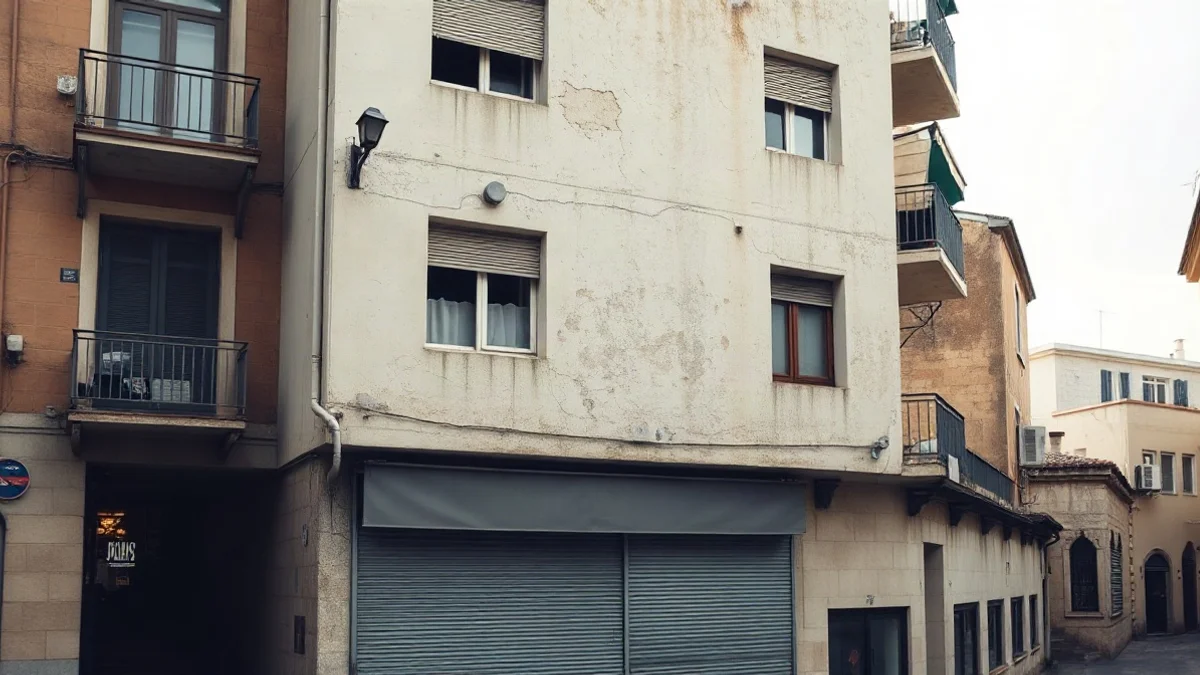
Among these assets is a three-story building located at 70 Ahad Ha'am Street in Tel Aviv, situated near Rothschild Boulevard. Purchased by Maki in 1970, the property is currently valued by real estate professionals at no less than 20 million shekels. The ground floor is rented out as a warehouse for Cafe Noir, while the upper floors have historically displayed communist symbols before shifting to joint list campaign banners. Fadi Abu Yunus, secretary of Maki's central committee, noted that the party successfully preserved its historical real estate holdings while other factions sold off their assets.
Maki's property portfolio extends across 24 localities nationwide, including Haifa, Nazareth, Jerusalem, Beersheba, Holon, Ramat Gan, and Kfar Yasif. In Haifa, the party holds five properties, including a building on Al-Hariri Street and offices on Ben Gurion Boulevard. In Holon and Ramat Gan, Maki owns residential apartments acquired in the 1970s. According to Abu Yunus, these properties provide the party with permanent operational infrastructure, branch locations for the Communist Youth League (Banki), and rental income, ensuring long-term political engagement outside of election cycles.