Rehovot Demands Urgent State Reform After Missile Recovery Law Stalls
Nearly a year and a half after a missile strike in Rehovot, rehabilitation laws have stalled rebuilding efforts, prompting municipal demands for urgent legislative fixes.
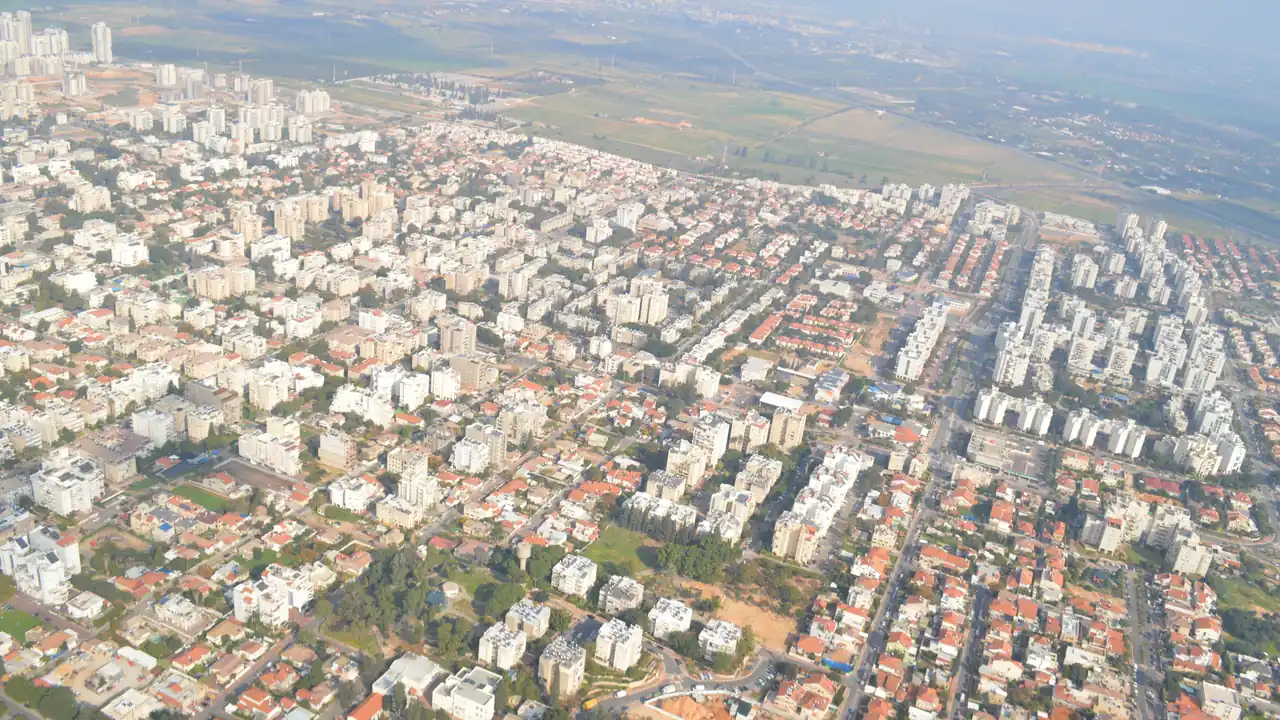
Nearly a year and a half after an Iranian missile struck central Rehovot during Operation Am Kelavi, the legislation intended to help residents and business owners rebuild has become a major roadblock. The statutory deadline for completing agreements between developers and property owners in the Teler-Bilu-Harlap compound expired, blocking access to the law's designated benefits and prompting the Rehovot Municipality to demand urgent legislative amendments.
A central obstacle involves the widening gap between statutory provisions and field realities. The damaged urban compound consists primarily of commercial properties alongside residential buildings, yet tax issues concerning commercial transactions received insufficient statutory solutions, creating difficulties in formulating economically viable deals for developers.
Stalled Negotiations and Regulatory Hurdles
Three leading development firms expressed interest in advancing the project, and negotiations continued until the final hours. Despite intervention by government bodies and the Governmental Authority for Urban Renewal, talks failed to yield signed agreements within the legislative timeframe.
At the residential building on 18 Teler Street, which sustained the most severe damage during the missile strike, eight apartments were completely destroyed. The Property Tax Compensation Fund offered to reconstruct the destroyed housing units and restore the status quo. However, municipal officials sought a broader solution providing property owners with modern apartments built to current standards featuring reinforced security rooms, integrated within a comprehensive urban renewal scheme.
The head of the Planning Administration and the National Committee for Planning and Building of Preferred Housing Areas joined forces with funding from the Governmental Authority for Urban Renewal to advance the plan. Despite extensive discussions with property owners and state officials to remove barriers, government involvement failed to secure timely agreements.
Municipal Demands for Legislative Reform
The Rehovot Municipality is now demanding that the state extend the statutory deadline, resolve taxation issues in mixed-use residential and commercial complexes, and help bridge financial gaps so that developer viability does not compromise urban planning quality.
Mayor Matan Dil sharply criticized the bureaucratic shortcomings:
"It is unacceptable that those who lost their homes or livelihoods in an Iranian missile strike are penalized once more by the limitations of a law designed to help them recover. The legislation must serve the victims and reflect reality on the ground rather than block their path to recovery. I expect the state to urgently amend the law and provide the necessary tools."
City Engineer Dalit Harel emphasized the financial realities hindering the project, stating that reconstruction represents an opportunity to provide high-quality residential environments and renew a major downtown district, provided economic feasibility is established. Municipal officials affirmed that while the statutory deadline has lapsed, efforts to rebuild the compound will continue, leaving property owners without the promised state rehabilitation benefits for now.