First Winter Rains Bring Slippery Roads and Safety Warnings Across Israel
With the first winter rains in Israel, road safety data for 2025 highlights Haifa, Tel Aviv, and Jerusalem as top urban areas for wet-road accidents, prompting safety warnings.
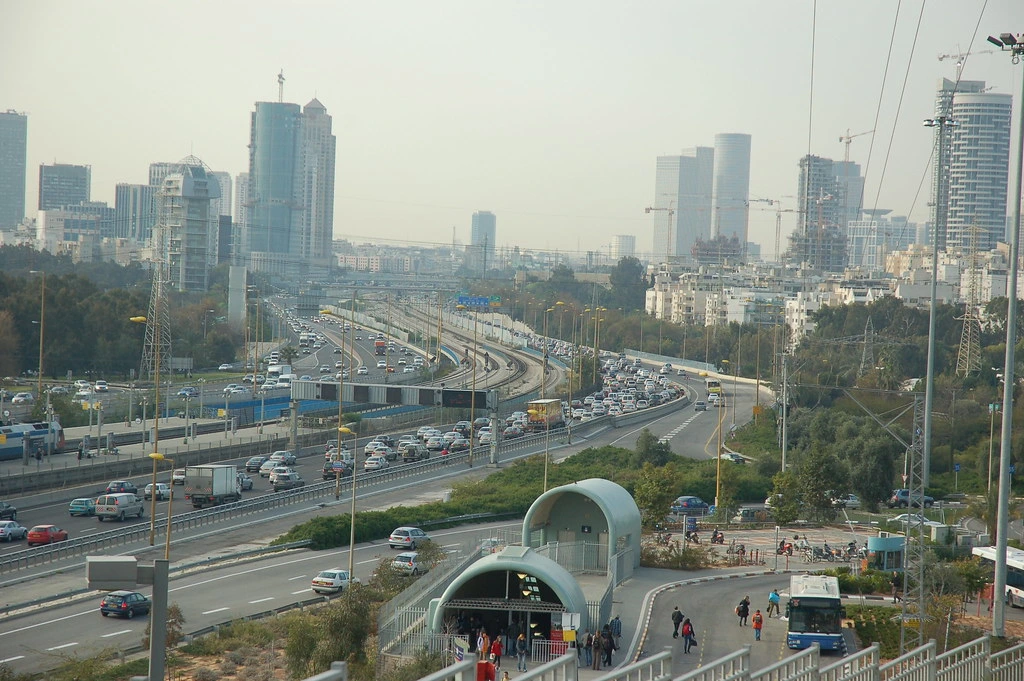
The first rain of the season has arrived, bringing with it a familiar hazard on the roads: loss of traction and slipping on wet asphalt. The initial rainfall, following months of dryness, can make roads exceptionally slippery and catch drivers accustomed to summer conditions off guard.
According to data from the Or Yarok association, 18 people were killed in road accidents on wet and muddy roads in 2025, 60 were severely injured, and a total of 408 people were hurt. An analysis by the association, based on Central Bureau of Statistics figures, shows that Haifa tops the list of cities with 25 casualties in wet-road accidents in 2025, including two severely injured.
Urban Accident Hotspots
Following Haifa are Tel Aviv-Jaffa and Jerusalem, with 15 casualties each. In Tel Aviv, three people were severely injured, and in Jerusalem, two. Overall, 192 people were injured in urban areas, four of them fatally and 29 seriously. The data reflects the number of casualties rather than the risk rate relative to traffic volume in each city.
So why is the first rain particularly dangerous? During the summer months, dust, sand, and residue of oil and fuel from vehicles accumulate on the asphalt. When the first raindrops hit the road, they mix with these accumulated deposits, creating a slippery layer that reduces friction between the tires and the road.
Prevention and Safe Driving
The result is compromised tire grip, an extended braking distance, and an increased risk of losing control. In the Israeli winter, where long days often pass between rain systems, this phenomenon can recur even after the first rain of the season.
How can slipping be avoided? The National Road Safety Authority recommends reducing driving speed according to road conditions, increasing the distance from the vehicle ahead, and avoiding sudden braking and sharp turns. It is advisable to slow down before entering a curve and accelerate gently upon exiting.
"The real winter is just around the corner, and this is the time to ensure that good driving conditions exist to allow all of us to get through the winter safely," said Adv. Yaniv Yaakov, CEO of the Or Yarok association.
It is also important to check the condition of tires, brakes, and wipers before winter. In the event of heavy rain that significantly impairs visibility, it is recommended to stop in a safe place, away from traffic lanes, and wait for conditions to improve.