"Gush Shilo Raids": Arson in the South Hebron Hills following a wave of outpost evacuations
Rioters set fire to work equipment and sprayed graffiti in Wadi Rahin, against the backdrop of IDF activity in the area. A group of extremists distributed a poster showing the commander of the Judea and Samaria Division alongside the GOC Central Command: "Eviction champions. Your destroyers and devastators."
Price tag actions were recorded last night (between Thursday and Friday) in the South Hebron Hills, including the burning of work equipment and the spraying of hate graffiti. The arson attacks occurred against the backdrop of a series of nightly evacuations of illegal outposts recently established, one of which was set up on a military helipad, impairing its operational readiness. The burden on the forces in the field is leading to direct operational consequences and the postponement of arrests of terror suspects in favor of dealing with the Jewish rioters.
The rioters burned work equipment in Wadi Rahin and sprayed "Mutual Responsibility" and "Gush Shilo Raids" graffiti on buildings. The IDF stated that forces arrived in the area following the report and conducted searches, but the suspects had already fled. The graffiti refers to the IDF's activity in recent days to evacuate illegal outposts established by Jewish extremists throughout Judea and Samaria, some of them in Area B and near Palestinian villages.
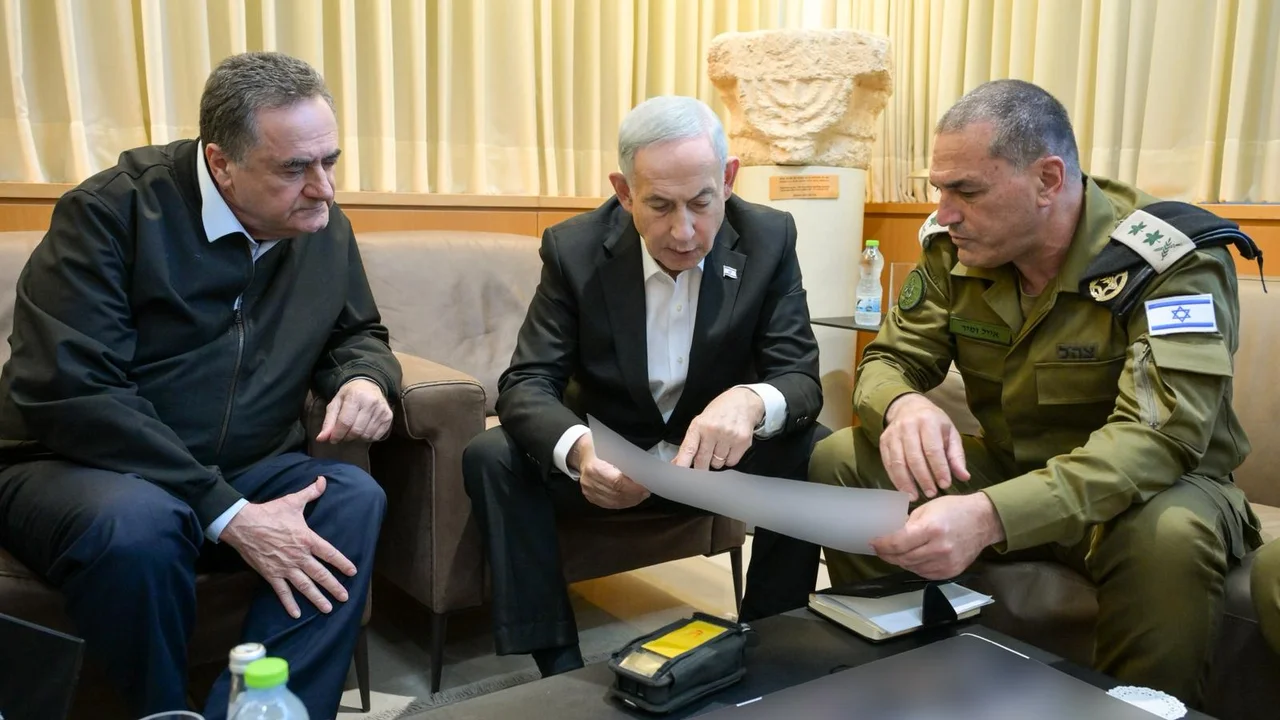
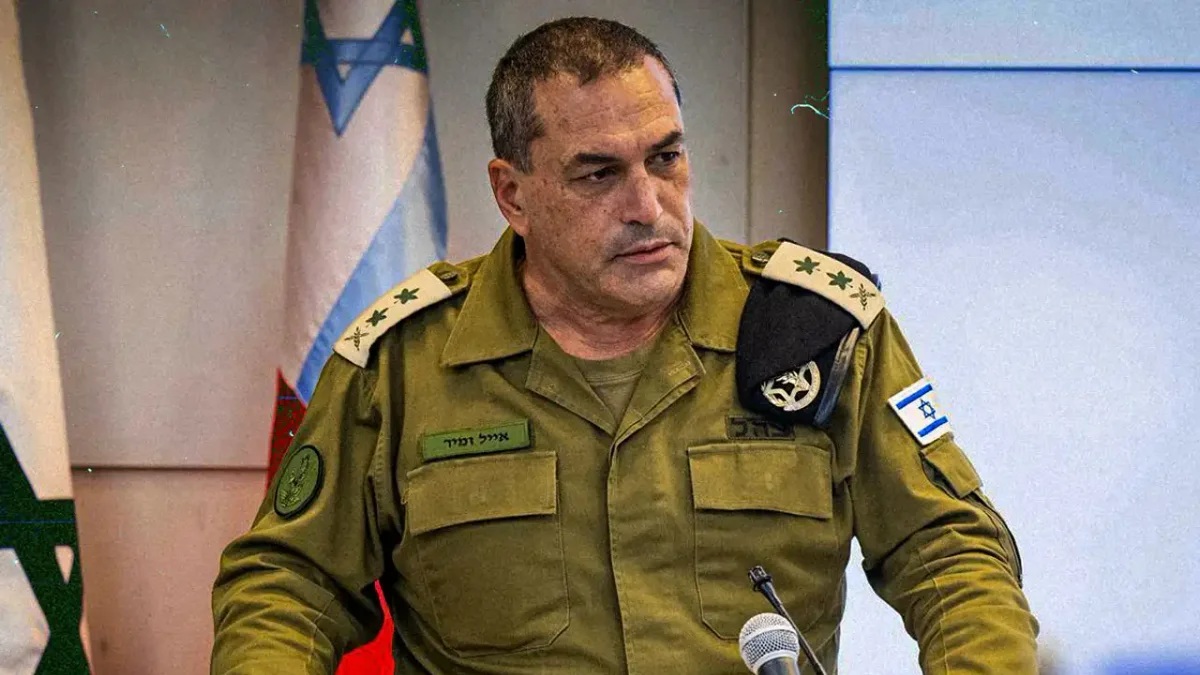
A group of extremists "marked" the commander of the Judea and Samaria Division, Brigadier General Kobi Heller, as being to blame for the evacuations. On a poster they distributed, Heller is seen alongside GOC Central Command Avi Bluth with the caption: "11 evacuations in one week. Bluth and Heller - the eviction champions. Your destroyers and devastators."
Evacuation Dynamics
Events in Judea and Samaria are unfolding in a cyclical manner. It begins with attacks against Jews, which leads to ascending to settlement points—illegal outposts—as a response. The army and the Civil Administration do not evacuate due to the sensitivity and proximity to the attack, but after seven days, a series of evacuations begins. The "hilltop youth" try to stop the move and carry out price tag events in Palestinian villages with graffiti hinting at the evacuations and marking senior military officials as the culprits. It should be noted that in recent months there has been a significant decrease in attacks in Judea and Samaria, but the rioters' actions continue.
The government is legally approving construction and the expansion of the settlement enterprise in a way not seen since 1967. Just yesterday, settlers returned to the Kadim settlement in northern Samaria, which was evacuated during the disengagement. Sources in the settlement movement explain that these rioters are harming the settlement enterprise.
Outposts and Nightly Evacuations
In the shadow of the failure to evacuate the outpost that had besieged houses in the village of Qusra for days, the army began to carry out nightly evacuations. Since the attack in the village of Tel, the settlers have ascended to about 15 points in Judea and Samaria. In one of the most severe cases, young people set up an illegal outpost on a military helipad used for evacuating the wounded and for operational events, rendering it inoperable for several hours.
The settlers placed caravans on the helipad located in the area of the village of Yatma, near the Tapuah Junction in Samaria. From the moment the structures were placed there, the helipad became non-operational, impairing the IDF's ability to operate. The helipad is used for evacuating the wounded in extreme events due to the long distance from hospitals, and for landing forces for operational activity. Just a few weeks ago, Itamar Cohen, who was wounded in an attack in Samaria, was evacuated from there by helicopter. The outpost was evacuated a few hours later.
The IDF clarified that they view with great severity the placement of structures on military infrastructure used in emergencies for evacuating casualties: "There is no place for IDF forces to be required to deal with enforcing illegal construction on critical operational infrastructure, instead of it being used for its intended purpose."
With the start of the wave of outpost establishment, the IDF initially refrained from evacuating them due to the sensitivity, holding talks with those on-site. Once the attempt did not succeed, they began to evacuate between one and two points every night. The IDF positioned itself in the field to protect residents and deployed several companies available to jump immediately to the village. The IDF has been prioritizing tasks in recent days, and it was decided to postpone arrests of Palestinian terror suspects because forces were diverted to other tasks, including dealing with clashes between Jews and Palestinians, as reported on Army Radio (Galei Tzahal).