"He who rules the seas - rules the world": Erdogan's naval buildup plan
Turkey is accelerating the construction of its navy and promoting the "Blue Homeland" doctrine, under which it claims rights in vast maritime areas. Ankara is building dozens of vessels and seeks to reduce its dependence on foreign countries. A former Israeli Navy commander warns: "Israel must look at this threat."
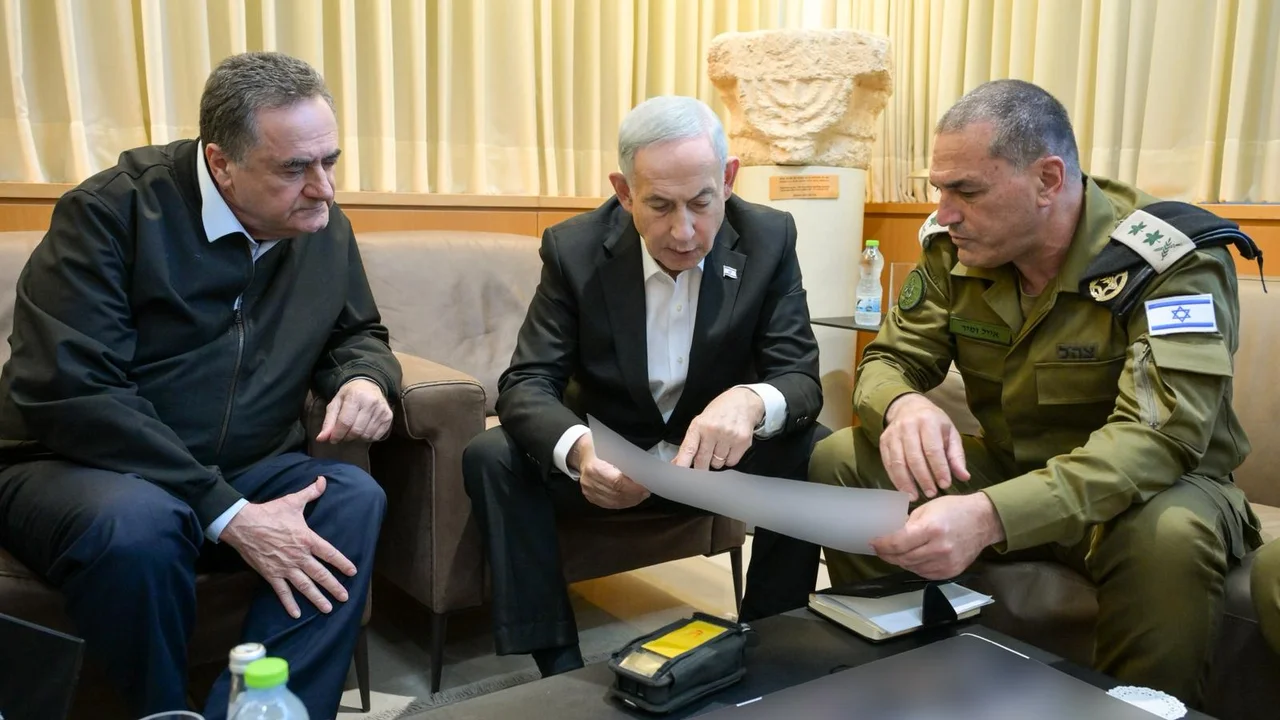
Turkey is currently building 47 warships simultaneously for its fleet - as part of President Erdogan's effort to turn his country into a regional naval power. In Israel, they are monitoring this buildup, and former Navy commander Eliezer (Chiney) Marom warns of its consequences: "They can cause quite a few problems." According to him, Israel requires a rethink of its strategy and an increase in the power of the Navy.
"If our homeland on land is our home, then the 'Blue Homeland' is a garden where we find peace. Just as we cannot give up a room in our home, so we will never give up even one drop of the 'Blue Homeland'," said Erdogan's son-in-law.
This buildup takes on additional meaning against the backdrop of tensions in the region. After the summer vacation, Erdogan returned to issuing firm messages: "The merchants of blood will lose. The opportunists who make a living from terror will lose. The perpetrators of genocide who want to drown our region in instability will lose."
However, in parallel with the rhetoric, Ankara has been investing in recent years in building real military power specifically at sea. While the Turkish Air Force is limited due to American sanctions, the fleet is taking an increasingly central place in Erdogan's security concept.
The Turkish Navy is considered the largest in the Mediterranean and the tenth largest in the world. For comparison, the Israeli Navy is ranked 32nd. Erdogan formulated his vision using a quote: "We are carrying out these efforts while the guiding words for us are the words of Barbaros Hayreddin Pasha: 'He who rules the seas - rules the world'."
Barbaros Hayreddin Pasha was one of the prominent figures in the naval power of the Ottoman Empire. Even today, the Turkish government uses his image to connect the Ottoman legacy with the maritime ambitions of modern Turkey.
"Let no one have any doubt, the great and strong Turkey has already emerged, and the construction of the hundred years of Turkey has begun," said Turkish President Erdogan.
This past weekend, thousands of Turks arrived at the naval headquarters in Gölcük, near Istanbul, to watch the flagships and vessels of the local industry. The display was another expression of Ankara's effort to present the naval power it is building.
After decades in which Turkey relied heavily on vessels from foreign sources, it has established a defense maritime industry that currently provides a significant portion of the fleet's needs - and even exports to other countries. "We are building 47 warships simultaneously for the Turkish fleet, and we are also building 24 naval platforms for foreign countries," said a Turkish official.
The expanding fleet is intended to serve, among other things, the "Blue Homeland" concept: a political-military doctrine that seeks to expand the influence and rights that Turkey claims in the maritime spaces surrounding it.
The idea was formulated by former senior officers in the Turkish Navy, and it refers first and foremost to the Black Sea, the Aegean Sea, and the Mediterranean Sea. The implementation of the concept increases friction with Greece, among other things around the division of maritime spaces and possible control over gas reservoirs in the eastern Mediterranean. The Greek Foreign Minister, Georgios Gerapetritis, said that his country is prepared to respond on the ground in the event of a Turkish move that would harm its rights.
According to the "Blue Homeland", a line extending from Turkey's coastline meets a line extending from Libya's coastline, which gives both countries control over the entire maritime strip that stretches from north to south.
Former Navy commander Eliezer (Chiney) Marom warns that the Turkish establishment at sea could have direct consequences for Israel: "Israel, Cyprus, and Greece wanted to lay a gas pipeline on the seabed. This will be a problem, and we will probably need Turkish approval for this thing. And there are all kinds of other means that are at the bottom of the sea, such as fiber optic cables. This definitely creates an economic impact."
Sources familiar with the capabilities of the Turkish fleet estimate that the gap between the navies can be bridged - if Israel chooses to invest in it. When Erdogan's son-in-law was asked about a possible response from Israel, he replied: "Even if it annoys someone, there is a proverb of our ancestors: 'The dogs bark - but the caravan moves on'."
Marom believes that the Israeli response should be long-term: "The State of Israel is obligated to look at this threat, because the State of Israel is currently likened to an island. There is great importance in comprehensive strategic thinking and in increasing the Navy and making it a very significant factor in the Mediterranean, so that it can deal with threats, if and when they come."