Public Transit Passengers Face Chronic Delays Despite Ministry Push for Alternatives
Public transport passengers face frequent bus delays and cancellations despite 25,000 monthly complaints. While officials push for car-free commutes, transit operators struggle with severe driver shortages.
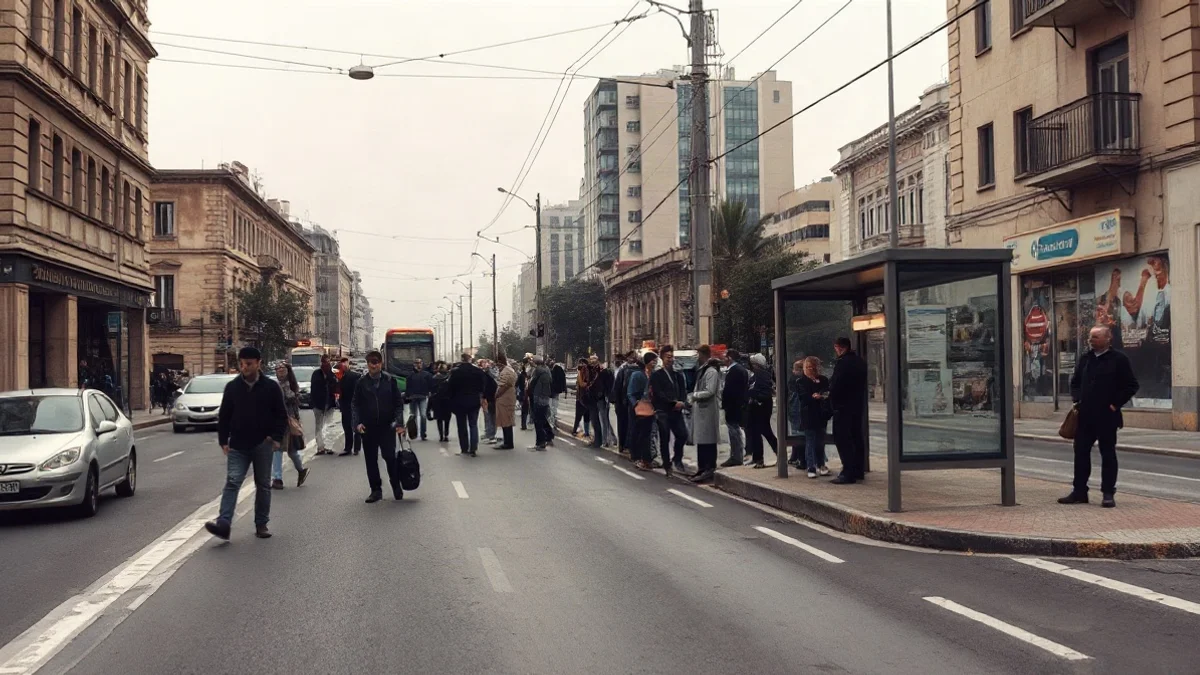
Public transportation passengers across the country report persistent delays, route cancellations, and missed pickups despite repeated complaints to regulatory authorities. Official figures from the National Public Transportation Authority indicate that approximately 25,000 public inquiries and grievances regarding transit services are submitted every single month.
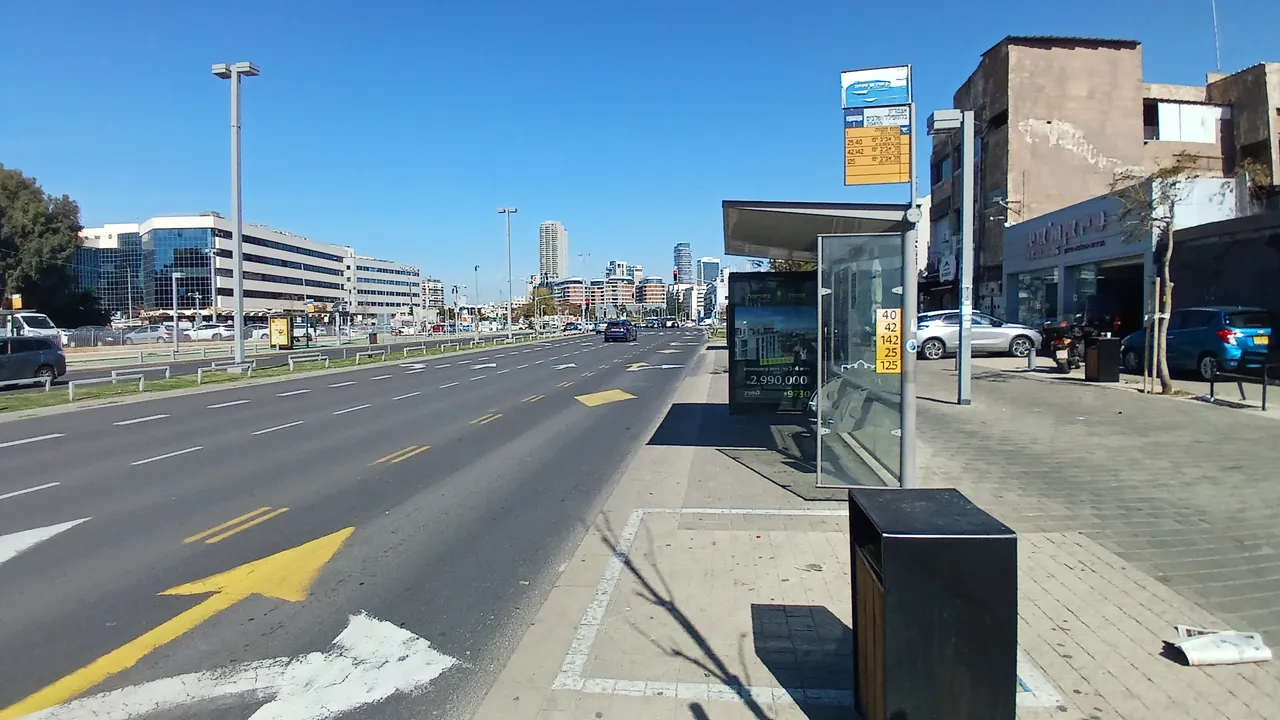
Commuters note that while authorities continuously urge citizens to ditch their private vehicles in favor of buses and trains to alleviate severe highway congestion, the daily transit reality falls short. Dedicated public transport lanes are expanding rapidly, including a municipal announcement this week regarding seven new kilometers of bus lanes on major streets in Tel Aviv. However, bus operators continue to grapple with severe driver shortages, leading to sporadic scheduling failures.
Passenger Frustrations and Daily Struggles
Passengers share widespread frustration over unreliable scheduling in central metropolitan areas. Ayelet, a resident of Rehovot, recounted her daily difficulties trying to commute to her workplace in Tel Aviv. "It has happened to me several times that the bus I was supposed to take arrived late to the station in Rehovot or did not show up at all," she explained. "Every time I filed an online complaint with the Ministry of Transportation, but the phenomenon persisted without a real solution."
Another commuter, Lilach, described a similar experience while waiting near the Diamond Exchange district in Ramat Gan, where her scheduled bus arrived more than half an hour late. Passengers stood stranded in helplessness, she noted, and when the vehicle finally arrived, it was severely overcrowded.
Experts point out that building a viable alternative to private cars requires addressing structural industry challenges. Key solutions include recruiting additional drivers—potentially through special permits to hire personnel from abroad—adding new routes, increasing service frequency, and boosting railway capacity, particularly on high-demand corridors such as the Tel Aviv-Jerusalem rail line.
Ministry of Transportation Response
In response to public grievances, the Ministry of Transportation stated that it views unexecuted trips, severe delays, and substandard service with utmost gravity. The ministry maintains continuous oversight of transit operators through systematic monitoring.
"The ministry conducts ongoing oversight of public transportation operators. In any case of failure to adhere to timetables, skipping stations, or failing to operate a scheduled trip, financial sanctions are imposed on the operators along with negative penalty points that affect their chances of winning future tenders."
Regarding public feedback, the National Public Transportation Authority processes thousands of monthly inquiries, encompassing service complaints, requests for route expansions, and appeals regarding passenger fines. Officials stress that every inquiry undergoes a thorough review and receives a written response within 35 days, while specific reports of skipped stops or missed trips are forwarded directly for enforcement action against the responsible operator.