Protests Erupt in Libya: Calls for Government Resignation
Public anger over power outages and the cost of living is evolving into a political struggle against the government. The national electricity company warns of a total blackout, while protesters threaten to paralyze state institutions.
A new wave of protests has been spreading across western Libya in recent days, fueled by public frustration over prolonged power outages and the deterioration of basic services. While the demonstrations began as a response to daily hardships, they have quickly taken on a political dimension. Protesters in the capital, Tripoli, and other cities are now calling for the overthrow of the Government of National Unity led by Abdul Hamid Dbeibeh, threatening to escalate civil disobedience until their demands are met.
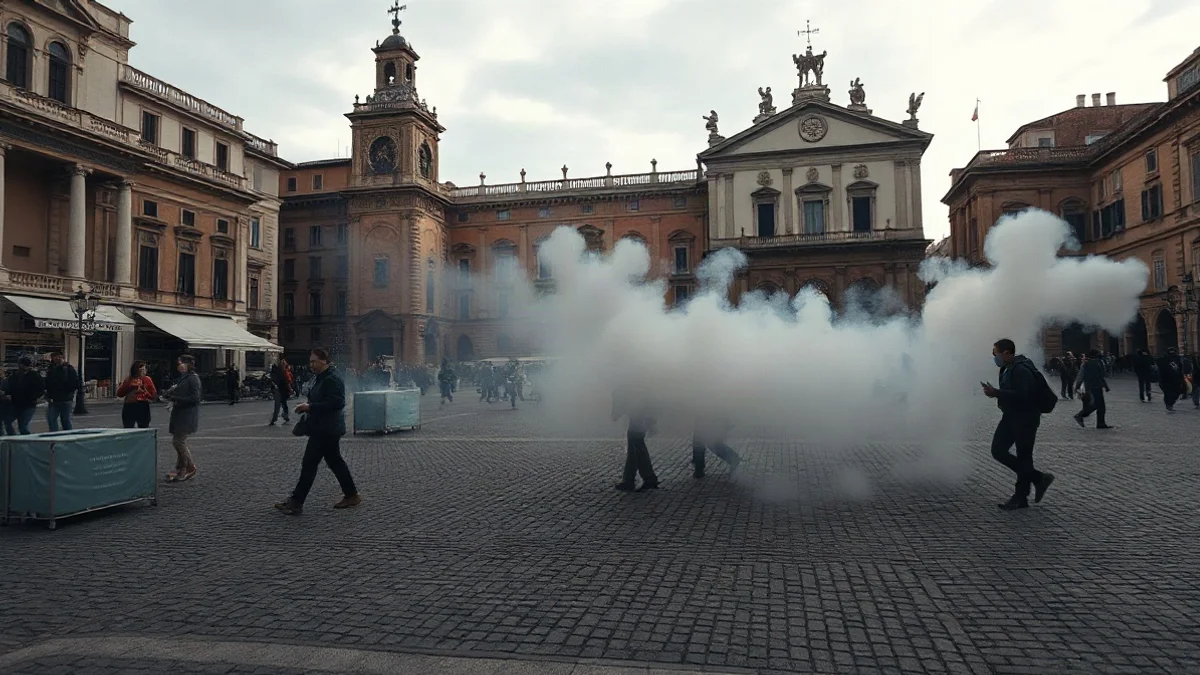
In Tripoli, the situation has become increasingly tense, with protesters blocking highways and setting fires in the city center. Simultaneously, efforts are underway to shut down government institutions, including the use of trucks loaded with sand and rocks to block entrances. One of the protest movements has declared a campaign of civil disobedience, warning that these institutions will remain closed until their grievances are addressed.
The movement is not confined to the capital. Residents in other western Libyan cities have joined the civil disobedience efforts; in Tajoura, protesters blocked the entrance to the Infrastructure and Housing Authority headquarters with mounds of dirt. Reports indicate that protesters aim to extend these measures to oil companies, banks, and other central institutions.
In the last 24 hours, the situation escalated further as protests reached the Mellitah Oil and Gas complex, one of Libya's most vital energy facilities. Protesters from neighboring towns blocked access roads, preventing workers from entering the site. Among their demands is the cessation of natural gas exports to Italy, intended to increase economic pressure on the government.
The General Electricity Company of Libya warned on Tuesday that the closure of fuel supply lines at the Mellitah complex has led to a critical decrease in gas reaching power generation units.
"If the situation continues, generation units could fail one after another, leading to the collapse of the entire power grid," the company stated, warning of a potential nationwide blackout and calling for the urgent resumption of gas flow to power plants.
At this stage, it remains unclear how the protest wave will evolve and to what extent the protesters will succeed in realizing their threats. However, the expansion of the demonstrations and their impact on vital infrastructure underscore the depth of the crisis currently facing the Dbeibeh government.