Advancing Prostate Cancer Care: From Early Screening to Tailored Treatments
Modern prostate cancer care combines targeted diagnostics like MRI fusion biopsies with active surveillance and personalized therapies, minimizing unnecessary interventions and preserving quality of life.
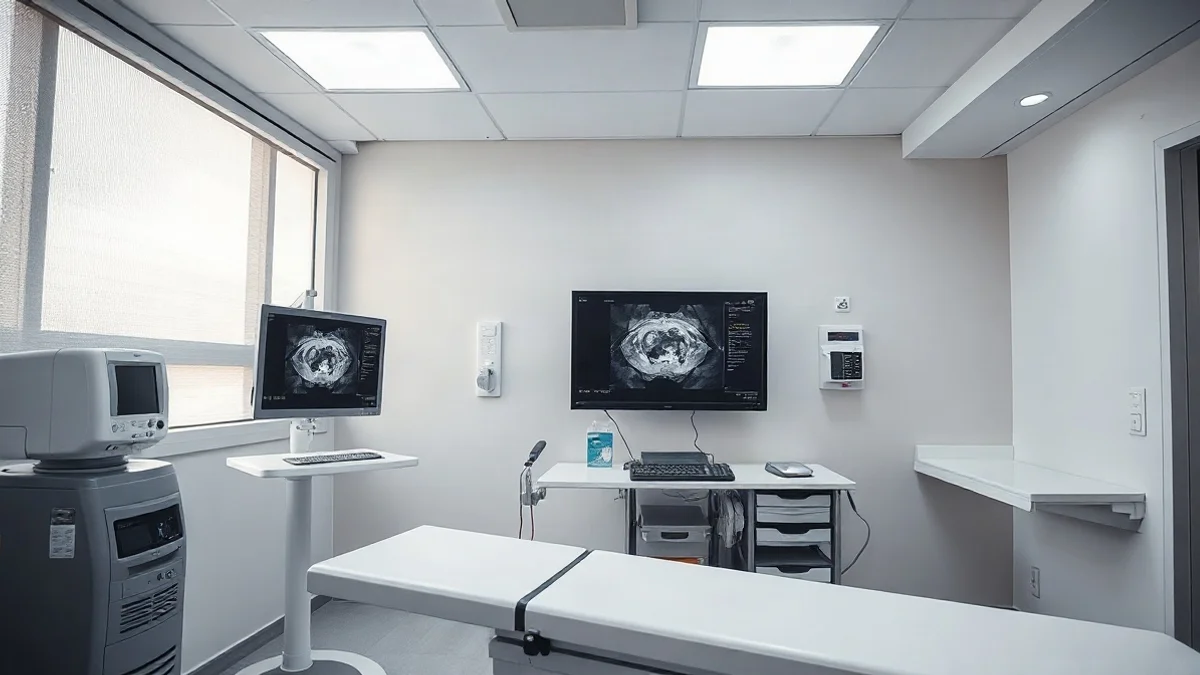
Many men dread prostate examinations due to fears of a cancer diagnosis, potential surgery, erectile dysfunction, and urinary incontinence. However, modern urological care has evolved significantly from the initial blood test to final treatment decisions, meaning that an abnormal result does not automatically mandate an immediate biopsy, and a cancer diagnosis does not always require urgent intervention.
Dr. Avi Beri, deputy head of the urology department at Ichilov Hospital and a senior physician at the Urology and Men's Health Center at Medica Rafael, emphasizes that replacing fear with reliable information is key. The objective is to conduct timely evaluations, understand the disease characteristics if detected, and select therapies that prioritize post-treatment quality of life.
Early Detection Without Overtreating Indolent Tumors
For years, discussions surrounding prostate cancer screening weighed the potential benefits against the risk of overdiagnosis. While the prostate-specific antigen (PSA) blood test helps detect malignancies, it can also identify slow-growing tumors that would never have caused clinical harm during a patient's lifetime. Dr. Beri notes that modern diagnostics go beyond deciding who to test by combining PSA values with age, family history, imaging studies, and other clinical assessments.
Long-term evidence has also expanded. A 23-year follow-up from the European Randomized Study of Screening for Prostate Cancer (ERSPC) demonstrated a 13% relative reduction in prostate cancer mortality among screened cohorts, though accompanied by an increased rate of diagnoses. The American Cancer Society (ACS) currently recommends biennial PSA-based screening for average-risk men aged 50 to 69, while high-risk individuals may require earlier screening schedules.
Incorporating Family History and Advanced Imaging
For men approaching 50 who have not yet undergone screening, initial evaluations should include reviewing risk factors and assessing family medical history, including known genetic predispositions such as BRCA mutations. Relevant information spans both sides of the family, and European guidelines recommend that BRCA2 carriers begin early detection protocols as early as age 40.
When further evaluation is warranted, multiparametric MRI assists in identifying suspicious lesions and planning targeted sampling. At Medica Rafael, clinicians utilize fusion biopsies, which integrate MRI imagery with ultrasound guidance to target suspicious areas accurately. This precision helps distinguish between patients who require immediate intervention and those who can safely enter active surveillance.
Tailored Therapies and Multidisciplinary Care
Active surveillance involves structured monitoring and regular clinical evaluations to intervene if signs of disease progression appear while avoiding unnecessary early treatment. When treatment is necessary, a multidisciplinary approach involving urologists, radiologists, and oncologists allows patients to evaluate multiple therapeutic avenues at Medica Rafael.
Focal treatments, such as cryotherapy, target specific tumor regions rather than the entire prostate gland to minimize damage to healthy surrounding tissues. While European professional guidelines restrict focal therapies to clinical trials or structured registries as long-term data continue to accumulate, robotic-assisted surgical systems also offer enhanced precision when surgery is chosen, aiming to preserve nerves linked to erectile function and urinary control.
"The path to combating stigma is through information and knowledge," Dr. Beri notes, stressing that timely evaluation ensures patients receive precisely the care they need.