Holocaust Survivor Cooks Friday Meals for Lone Soldiers in Givatayim
Eighty-seven-year-old Holocaust survivor Rivka Ben Shlomo cooks homemade Friday meals for lone soldiers in Givatayim, channeling her own wartime memories into profound acts of care and community resilience.
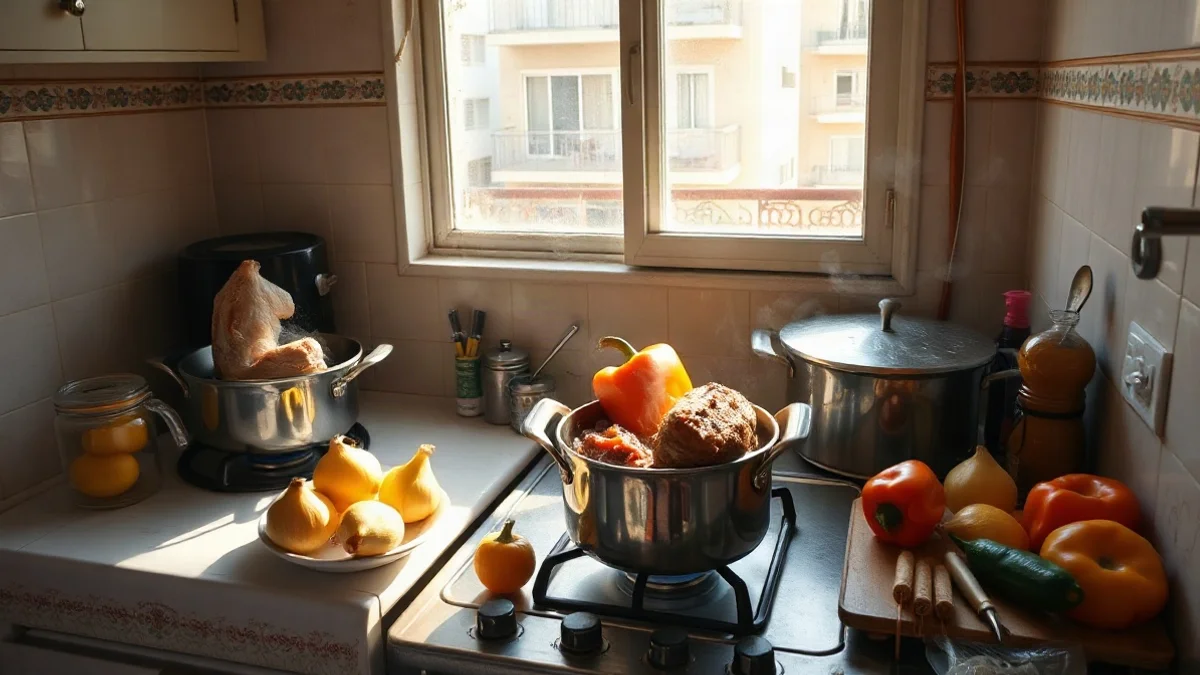
Every Friday morning, the kitchen of 87-year-old Rivka Ben Shlomo in Givatayim fills with the rich aromas of simmering stuffed peppers and roasted chicken. This food is not intended for her own family table; rather, it is lovingly prepared for lone soldiers she has never met. As a Holocaust survivor from Bulgaria and a retired nurse, she has dedicated herself to volunteering for "Cooking for the Weekend", an initiative run by the "Daniel War Room" that supplies home-cooked meals to lone soldiers stationed in Givatayim and Ramat Gan.
A Lifetime of Resilience and Routine
Rivka was born in Sofia in December 1938, but her early childhood was marked by displacement. Following anti-Jewish legislation enacted in the early 1940s, her family was forcibly relocated to provincial towns in 1943. She vividly recalls the harrowing train journey at age four, where a stranger examined her doll for hidden currency, fearing it was being used for smuggling. Despite the hardships, starvation was staved off, though shortages were stark—ranging from sandals fashioned out of car tires to a treasured dress sewn from her aunt's blue nightgown. When Bulgarian authorities and the local church ultimately intervened to halt the deportation trains, Bulgaria's Jewish community was saved from the extermination camps.
In early 1949, the family immigrated to Israel, settling briefly in Binyamina before moving to Jaffa. Adapting to the young, resource-strapped state proved demanding. Yet, Rivka persevered, building a distinguished career as a nurse and department head at Beilinson Hospital, where she raised a family and nurtured generations of medical professionals. When asked why she spends her Fridays cooking for strangers, her motivation is deeply personal and empathetic. She reflects on her own family connections:
"If my grandson were in their place, I would want someone to look after him. That is the only thing I think about."
The Heart of the Community Project
The initiative itself was founded by Keren Brand during the Passover holiday amid the COVID-19 pandemic, after she discovered lone soldiers residing in local apartments without basic provisions for the festive meal. Following the outbreak of the War of Revival, the effort expanded under the "Daniel War Room"—named in memory of Keren's father, Jacob Daniel—to support approximately 115 lone soldiers currently serving or discharged who live in Givatayim and Ramat Gan. Operating with over 100 volunteers, the organization provides much more than weekend sustenance, filling the vital parental role by assisting with essential gear, bureaucratic challenges, and emotional support.
For soldiers like D., a lone soldier who immigrated from Brooklyn and served in a combat unit through the northern border and into Gaza, the project became a vital lifeline. He notes that the weekend meals spared him the constant worry of securing food when supermarkets closed, while volunteers even managed to deliver replacement eyeglasses and care packages directly to the front lines. Through the dedication of volunteer coordinators like Hagit Mahpud and delivery drivers like Ilana Shornfelag, home-cooked food and warm embraces reach soldiers who otherwise lack local family networks.
Rivka continues her kitchen routine every single week, funding the grocery shopping herself and preparing conventional, comforting dishes tailored for young adults. She views her labor not as a burden, but as a fundamental civic duty rooted in mutual responsibility. As inscribed on a calendar hanging in her kitchen, echoing her life's philosophy: "The ultimate goal in life is to help others, and those who cannot help should at least do no harm."