Insolvency procedure cancelled: what about debts during the cooling-off period?
The period after the procedure is halted may leave debtors with huge debts before the Execution Office and without an alternative path that fits their financial capacity. How to cope.
A debtor who enters an insolvency procedure receives broad protection from creditors and the opportunity to settle debts and rehabilitate financially. But there are conditions for this: throughout the procedure, he is required to pay the monthly payment set for him, submit reports on income and expenses, provide documents, cooperate with the trustee, and act transparently. If he does not meet these obligations and the defaults are not corrected, the court (or the Execution Office registrar) may cancel the procedure.
Such cancellations are not a rare event, and every year they leave many debtors to deal anew with the debts with which they entered the procedure. With the cancellation of the procedure, the stay of collection proceedings usually also expires. Creditors can return to act in the Execution Office files, renew attachments and restrictions, and try to collect the debts separately.
If the procedure was cancelled due to the debtor's defaults, he will likely be required to wait before he can file a new application for insolvency. This is the cooling-off period established in the Al-Qatza'i ruling. It was determined that the cooling-off period will usually be one to one and a half years, at the court's discretion, and in more severe cases — up to two and a half years. The waiting duration is not uniform, and it is determined according to the circumstances of the case, including the nature of the defaults, their severity, the debtor's conduct after the cancellation of the procedure, and whether there has been a real change justifying the opening of a new procedure.
From the debtor's perspective, a difficult intermediate situation is created: the protection of the insolvency procedure no longer exists, but the path to a new procedure is still blocked. Consolidation of files is not always applicable when debts reach hundreds of thousands of shekels, and a creditor arrangement also usually requires the ability to offer creditors a real financial source. So what can a debtor who remains in this period before the Execution Office files do, without a clear path to financial rehabilitation?
The Al-Qatza'i ruling is intended to prevent a situation where a debtor whose procedure was cancelled due to defaults returns immediately to open a new procedure without having changed his conduct. The logic behind the cooling-off period is clear. An insolvency procedure grants the debtor significant protections, but requires him in return to meet the conditions of the procedure, report on his situation, and act in good faith. However, the debts themselves do not stop during the cooling-off period. Interest and expenses may continue to accumulate, and collection proceedings can resume precisely at a time when the debtor has no real possibility to pay his debts.
There is no one solution. One of the existing options in the Execution Office is the consolidation of files, under which the debtor pays one monthly payment divided among the creditors. However, with high debts, this is often an impractical solution. When the debt exceeds 100,000 shekels, the basic installment period is four years, and the Execution Office registrar may extend it up to seven years, meaning up to 84 payments in total. Even with maximum installment, a debtor whose debts total, for example, 700,000 shekels may be required to make a monthly payment that does not match his income and financial capacity.
A creditor arrangement is also not suitable for every case. To offer creditors an arrangement they have a reason to agree to, a lump sum, an external source of funding, or the ability to commit to a significant monthly payment is usually required. When the debtor has no assets, no disposable income, and no family member capable of assisting, the possibility of reaching an arrangement is impractical. In other cases, one can examine a request for a payment order, recognition as a "paying debtor" in the Execution Office, a stay of a specific collection procedure, or conducting direct negotiations with some of the creditors. Such steps may ease the pressure and partially protect against certain proceedings, but they do not grant the full range of protections of an insolvency procedure and do not erase the remaining debt.
Therefore, the first step after the cancellation of the procedure is to apply for an individual legal examination of the circumstances of the case. It is necessary to examine why the procedure was cancelled, what defaults were attributed to the debtor, whether they were corrected, whether there has been a change of circumstances, and whether there is a possibility to appeal the cancellation, request a re-examination, or take other legal action. Sometimes even the date on which the legal step is taken has significance. An insolvency and Execution Office lawyer can examine all the files, attachments, restrictions, and debts, and check which combination of steps might fit the debtor's situation. In one file, it may be possible to consolidate files, in another it may be correct to act to stay a specific attachment, and in another case the goal will be to reach temporary agreements with major creditors until the end of the cooling-off period.
Simultaneously, the debtor must use the period to correct the conduct that led to the cancellation of the procedure. He must regulate income reporting, keep documents, avoid creating new debts, and act transparently. A debtor who does not report all his income, does not exhaust his earning capacity, or continues to conduct himself without organized documentation, may find it difficult in the future to show that a change has occurred justifying the opening of a new procedure.
During the cooling-off period, every decision must be made according to the amount of debts, their type, the ability to pay, and the reason for the cancellation of the procedure. Individual legal advice may prevent steps that will worsen the situation and assist in building a path that can be sustained until it is possible to re-examine entry into a financial rehabilitation procedure.
— The article is in cooperation with the Israeli legal website PsakDin
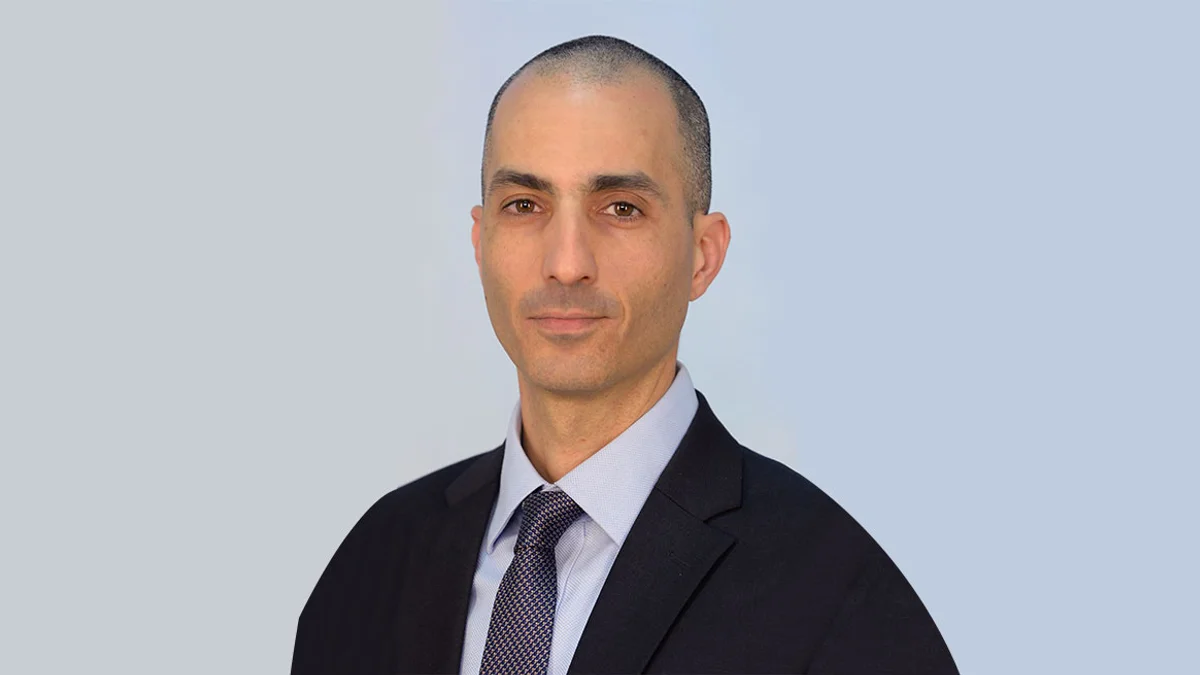
— Adv. Bar Almakis deals with insolvency and Execution Office proceedings
— The editorial team of the PsakDin website took part in the preparation of the article
— Ynet is a partner of the PsakDin website