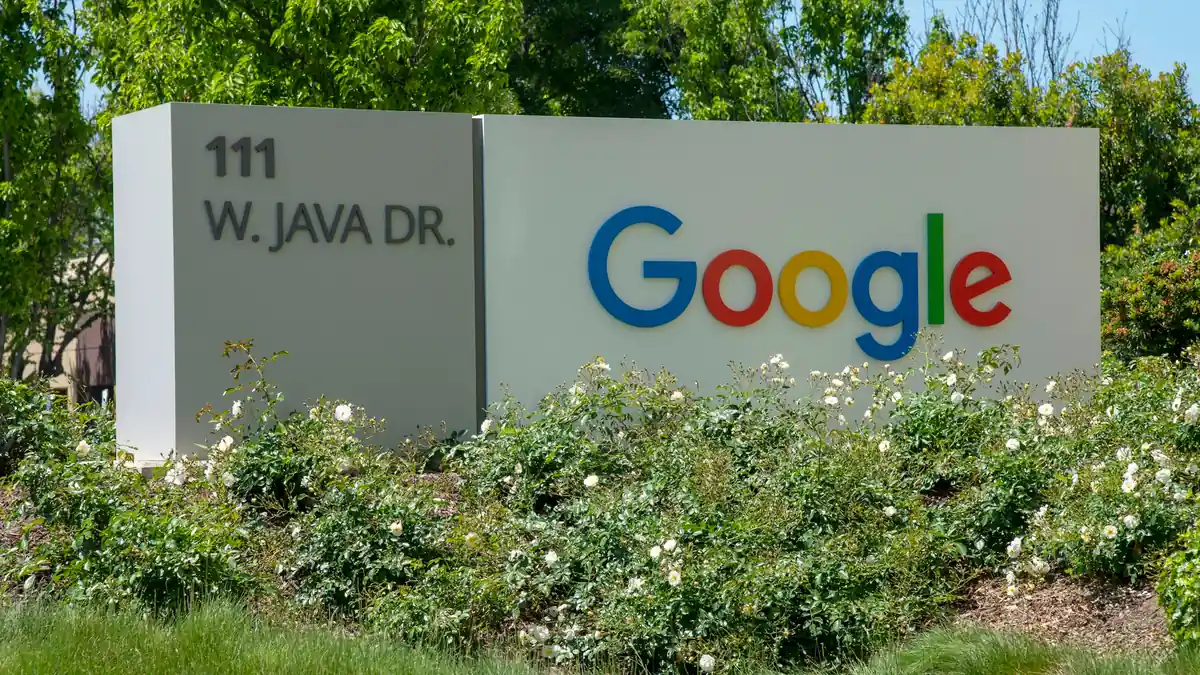
Why is Google changing the links you click on in search?
Google has begun implementing intermediate 'goto' links in search results. This change is designed to restrict automated data harvesting (scraping) by third-party tools and AI services.
Google does not often change its search engine and the way it works. After all, it is its flagship product, used by billions of users worldwide and generating tens of billions a year. But in recent weeks, it has been making changes that, although most users will probably not notice, indicate Google's way of operating, the threats it faces, and its plans.
Say hello to 'goto'
In recent weeks, Google has begun implementing changes to the links hidden behind search results in Google Search. When you click on a link, you expect to arrive directly at the page you selected. However, Google has recently started adding what is called a Passthrough URL. This is a transition link—an intermediary that appears under the address google.com/goto and automatically redirects you to your destination page in milliseconds.
This is a well-known method on the internet with several uses, such as tracking clicks (like Bitly) or promoting affiliate links. In Google's case, however, the goal is different. Analysts at Search Engine Roundtable suggest this is a way to control the data harvesting processes of AI tools.
Google wants to be the only one harvesting web data
In response to reports, a Google spokesperson confirmed: "For years, we have been operating technical measures against various forms of abuse, and we take steps regularly to protect our services and users." According to SER data, this process began in the last four months, and its implementation rate is increasing.
In practice, Google wants to stop sites and tools that perform scraping—harvesting information for model training or client analytics. One such company is SerpApi, which Google has even sued in the past. Search result pages previously contained all the information scrapers needed to work quickly and efficiently.
Once website addresses are hidden behind a Google-encoded link, data collection and decoding become much slower, more complex, and expensive. This change also affects how links are copied; if you try to share a search result on WhatsApp, you might find yourself sending a strange link instead of a clean, legitimate one. Furthermore, site owners using various SEO tools may find their data corrupted or altered.
Ultimately, Google aims to protect its search results from scrapers to slow down competitors. The irony is significant, as this is the same company that scrapes content from creators and websites to train its own models, often preventing them from receiving traffic and failing to compensate them.