British Doctor Uses AI to Help Save Mother From Rare Medical Crisis
An NHS anaesthetist used the Gemini AI tool to help diagnose his mother's severe Parkinson's complication, leading to a successful life-saving vitamin treatment in the UK.
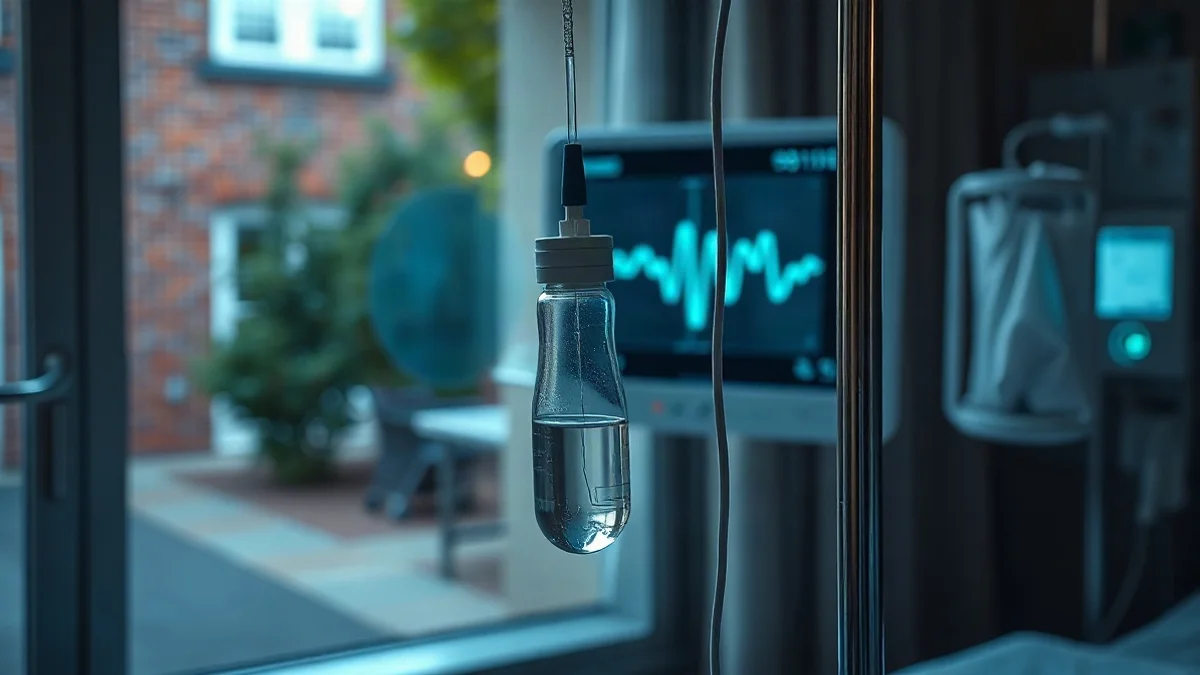
In May, Edward Patrick, an anaesthetist in the British National Health Service (NHS), received a grim phone call from Queen's Medical Centre in Nottingham. His mother, Anne Patrick, who is in her late 70s and suffers from Parkinson's disease, had been hospitalised due to severe, unremitting seizures. Doctors estimated she had only hours to live as her condition deteriorated rapidly, affecting her muscles and kidneys.
Turning to AI for Answers
While rushing to the hospital, Edward received a text message from his brother suggesting a possible link between their mother's medication and a vitamin deficiency. Using the artificial intelligence tool Gemini, Edward cross-referenced medical literature and patient details. The AI helped isolate a potential severe deficiency in vitamin B6, a known, rare complication linked to specific Parkinson's treatments.
Upon arrival, Edward presented the hypothesis to the attending neurologist. The medical team administered an intravenous infusion of vitamin B6, resulting in an immediate breakthrough: the seizures stopped within minutes.
"It felt like an episode of House," Edward remarked, noting the dramatic turnaround from imminent danger to significant recovery.
Expert Caution and Recovery
Neurologist Dr. Bruno Gran confirmed to the BBC that the seizures ceased shortly after the vitamin administration, praising the medically sound hypothesis while noting the unexpectedly rapid recovery. Anne has since avoided further hospitalisations related to seizures.
Medical experts emphasize that while artificial intelligence served as a powerful research assistant, the initial clue came from family insight, and the critical diagnostic and therapeutic decisions remained strictly in the hands of the professional medical staff.