Trail Cameras Reveal Rare Predation and Grief Behavior in Porcupines
Trail cameras at Ramat Hanadiv have captured rare footage of golden jackals hunting porcupine pups, followed by an adult porcupine removing the remains. The discovery sheds light on the complex social bonds and emotional responses of Indian crested porcupines.
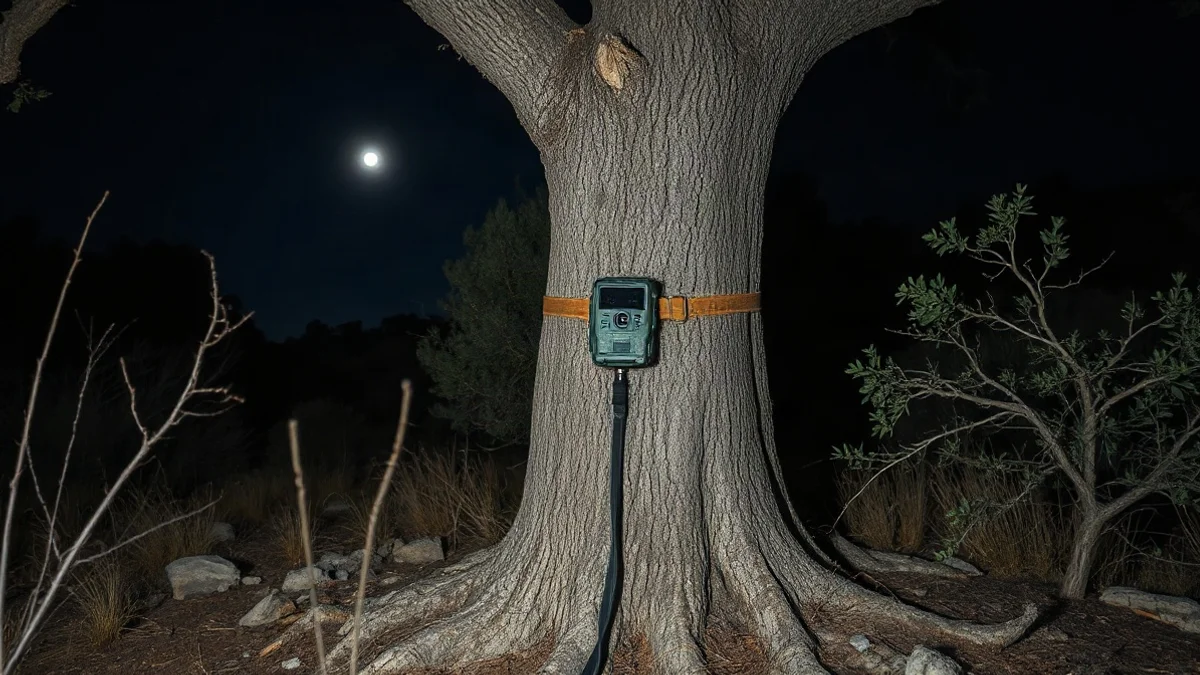
Trail cameras at the Ramat Hanadiv nature park have captured rare footage providing a unique glimpse into the social and emotional lives of Indian crested porcupines. The study, conducted by Dr. Amir Arnon, a zoologist and wildlife management manager at Ramat Hanadiv, in collaboration with Dr. Torsten Wronski from Liverpool John Moores University and the Ramat Hanadiv research department, documents an unprecedented interaction between a golden jackal and wild porcupines.
Golden Jackal Predation on Porcupine Pups
The research reveals that a female golden jackal successfully hunted porcupine pups on two separate occasions. In one instance, tiny quills were found embedded in the jackal's nose and chest. While adult porcupines are well-known to be formidable prey equipped with long, dangerous quills that can cause severe injury or death to predators such as leopards, wolves, and dogs, this documentation serves as the first scientific evidence of golden jackals actively hunting young porcupines.
Dr. Arnon notes that the presence of quills strongly indicates active hunting rather than scavenging on an already dead animal. Interestingly, the jackal managed to shed the quills within an hour, likely due to the shorter and thinner nature of the juvenile quills. GPS data showed that while the local jackal pack heavily relies on anthropogenic food sources like agricultural waste and garbage, this particular female chose to take significant risks to hunt dangerous prey.
Porcupine Response to Loss
Even more remarkable was the behavior captured just eight minutes after the jackal left with its kill. An adult porcupine, identified as likely being the male due to the absence of nursing signs, approached the site, gathered the remains of the dead pup in its mouth—with a quill protruding from the carcass—and removed it from the area.
Researchers are weighing two main hypotheses for this unusual behavior: cannibalism or bone consumption to obtain essential minerals like calcium, or a grief-like response involving the removal and clearing of a dead family member. Given that Indian crested porcupines are highly social, monogamous animals that form lifelong bonds and engage in biparental care for nearly a year, researchers consider the response to loss to be the more compelling explanation, paralleling emotional reactions observed in elephants.
The Role of Technology in Wildlife Research
Observing grief-related behaviors in wild rodents is exceedingly rare, largely due to the nocturnal habits of the animals and dense habitats that make human observation nearly impossible. Trail cameras have bridged this gap, offering a non-invasive window into the hidden nocturnal lives of wildlife. Dr. Arnon emphasizes that such discoveries underscore the critical importance of preserving open spaces and protecting wildlife habitats for the future.