How Reservists Invented a Low-Cost Observation System to Thwart Hezbollah
Facing Hezbollah anti-tank fire on the northern border, Israeli reservists engineered low-cost remote observation systems that saved lives and reshaped military technology procurement.
Wartime Ingenuity on the Northern Border
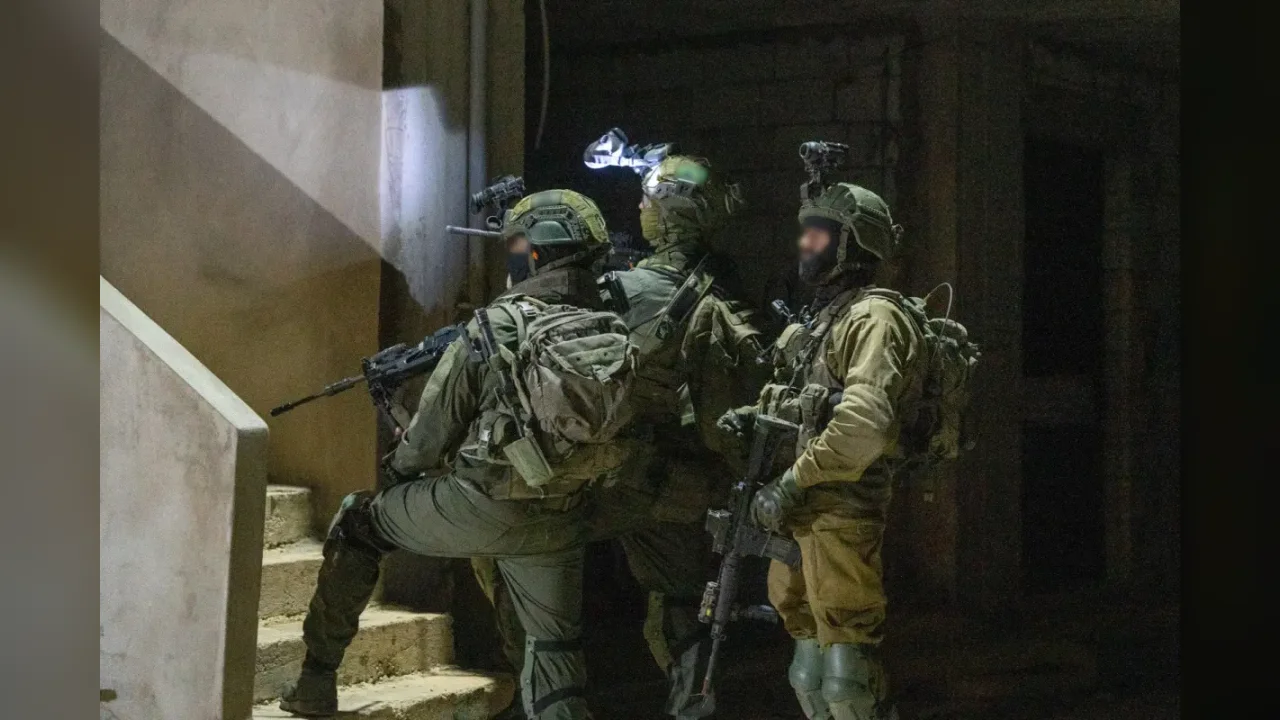
Shortly after the outbreak of the war, Tal Dekel—an intelligence veteran and graduate of the prestigious Talpiot program—was called up for reserve duty on Israel's northern border. Serving for 12 years in technological units before developing artificial intelligence systems at the German firm Bosch, he joined the soldiers of the Carmeli Reserve Brigade in defensive operations against Hezbollah. The terrorist organization had opened a secondary front by launching precise anti-tank guided missiles at military outposts along the frontier, swiftly inflicting casualties among troops.
In those early days, nearly a year before Operation Northern Arrows and the ground maneuver in southern Lebanon, Hezbollah established a de facto security zone inside Israeli territory through persistent fire. The Iran-backed group systematically destroyed Israeli observation systems along the border, denying forces the ability to monitor the other side and granting themselves operational freedom. With fighters blinded and hostile drones scouting the area, brigade commanders were forced to deploy troops along potential infiltration routes without adequate protective infrastructure.
The Birth of the Carmeli Project
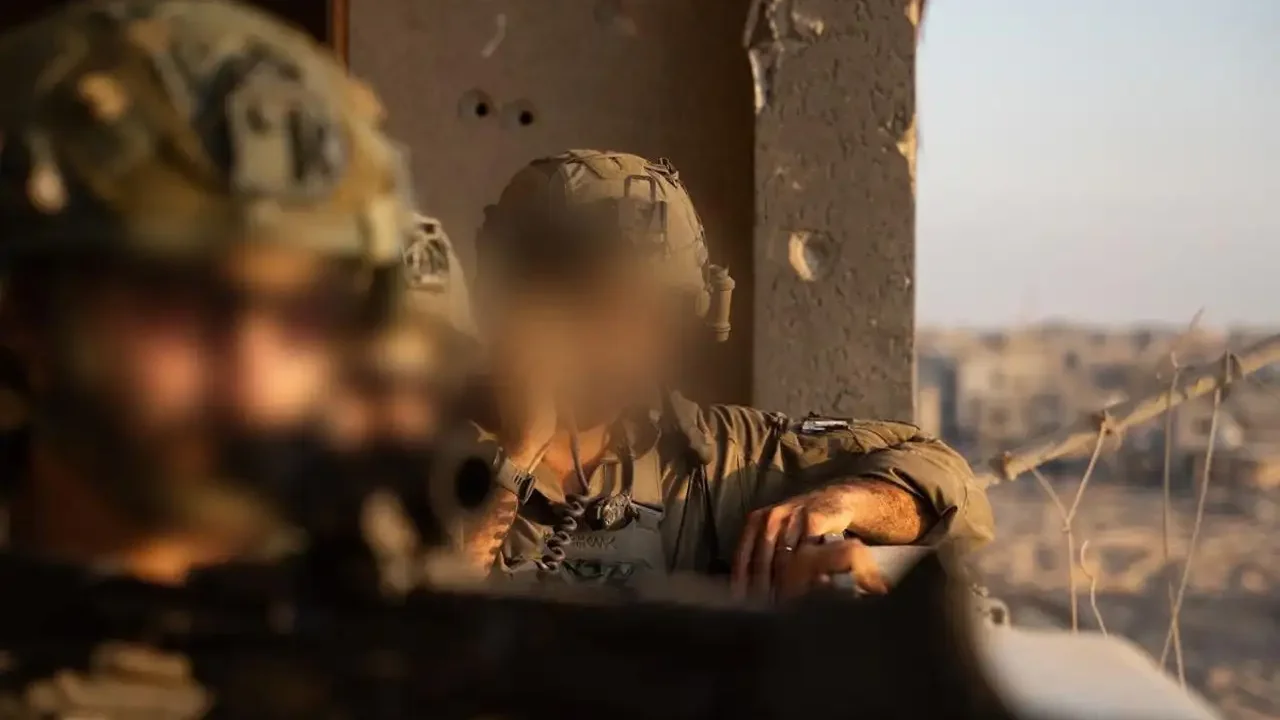
Confronted with harsh combat conditions reminiscent of trench warfare, reservists utilized shovels, wheelbarrows, and thousands of sandbags to construct fortifications and observation posts across the open terrain of the Galilee. However, soldiers manning these forward positions remained completely exposed to anti-tank guided missile fire. After two soldiers were killed in the opening days of the conflict, Dekel and his fellow reservists recognized the urgent need for remote-operated observation equipment to protect personnel.
Initiating what became known as the Carmeli Project, soldiers pooled their own money to purchase commercial cameras and connected them to monitors, enabling troops to observe the frontline from safer distances. What began as an improvised field solution quickly expanded with financial and logistical support from private companies. Under active fire alongside the Carmeli and Alexandroni brigades, the team scaled production from a handful of units to dozens, prompting the military establishment to officially adopt, catalog, and procure approximately 320 observation systems comprising over 800 cameras.
Saving Lives Through Disposable Technology
Many of the deployed camera systems absorbed direct impacts from enemy mortar shells and sniper fire, safeguarding the soldiers stationed nearby. Dekel emphasizes that every damaged system returned for repairs represents at least one soldier who returned home safely. This operational experience prompted a broader economic reassessment: in a combat zone where observation assets are highly vulnerable, deploying a large quantity of relatively inexpensive, disposable systems is far more effective than relying on costly, complex platforms.
"Every system like that which returned to us for repair represents one soldier who returned home safely," Dekel noted regarding the battlefield effectiveness of the improvised units.
By utilizing readily available commercial components, the engineering team reduced maintenance overhead and enabled damaged units to be repaired and redeployed within 24 hours. While advanced border technology suffered catastrophic failures during the initial onslaught due to a lack of tactical integration, the Carmeli Project maintained that technology should serve and protect the soldier rather than replace human tactical decision-making.
Modern Warfare and Future Autonomous Systems
The tactical shift toward mass deployment of affordable, expendable assets mirrors global trends observed in modern conflicts, such as Ukraine's reliance on stationary ground cameras and acoustic drone-detection sensors. Following the wartime deployment, Dekel and his partners established the company Reconleap, joined by robotics expert Prof. Moshe Shoham, with the goal of developing autonomous observation systems. Utilizing artificial intelligence to map terrain and identify anomalies, the next generation of devices will transmit only relevant intelligence to troops, minimizing screen fatigue and keeping soldiers out of the line of fire.