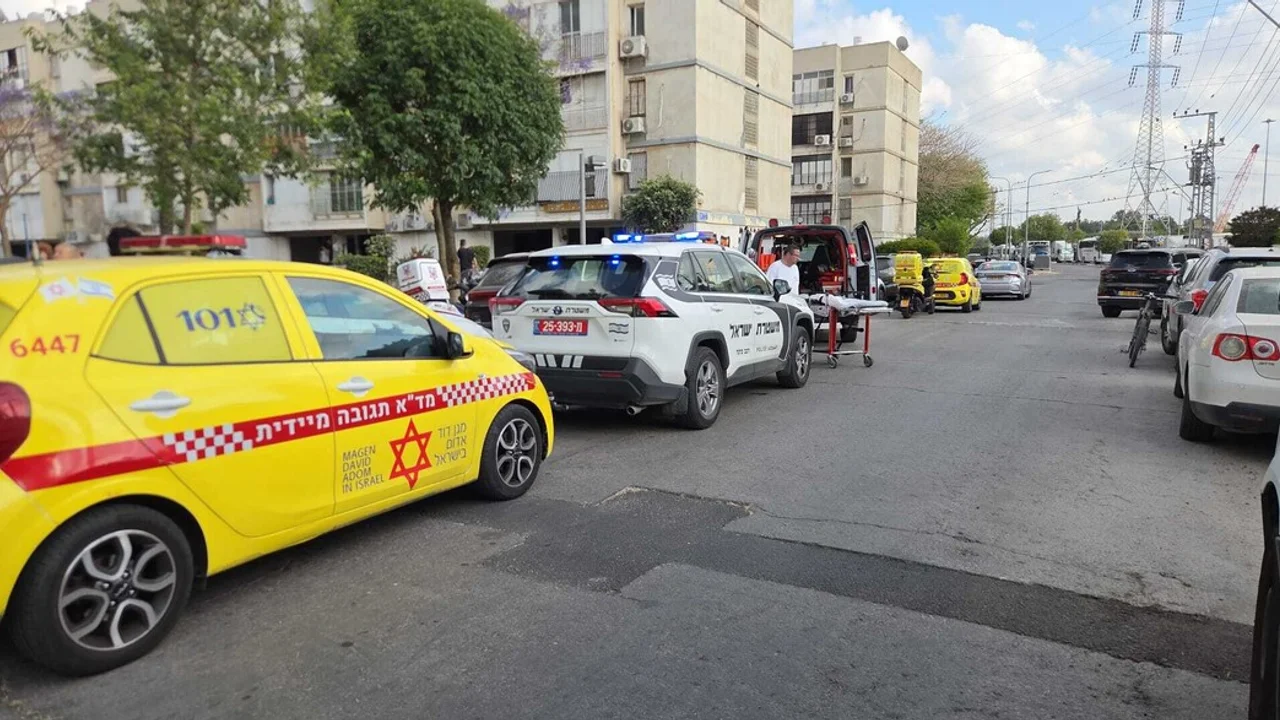
Police Defend Investigation Into Ra'am Electoral Bribery Suspicions
Police investigating suspected electoral bribery involving Ra'am activists defend their inquiry, focusing on ten seized envelopes containing cash and ongoing forensic analysis.
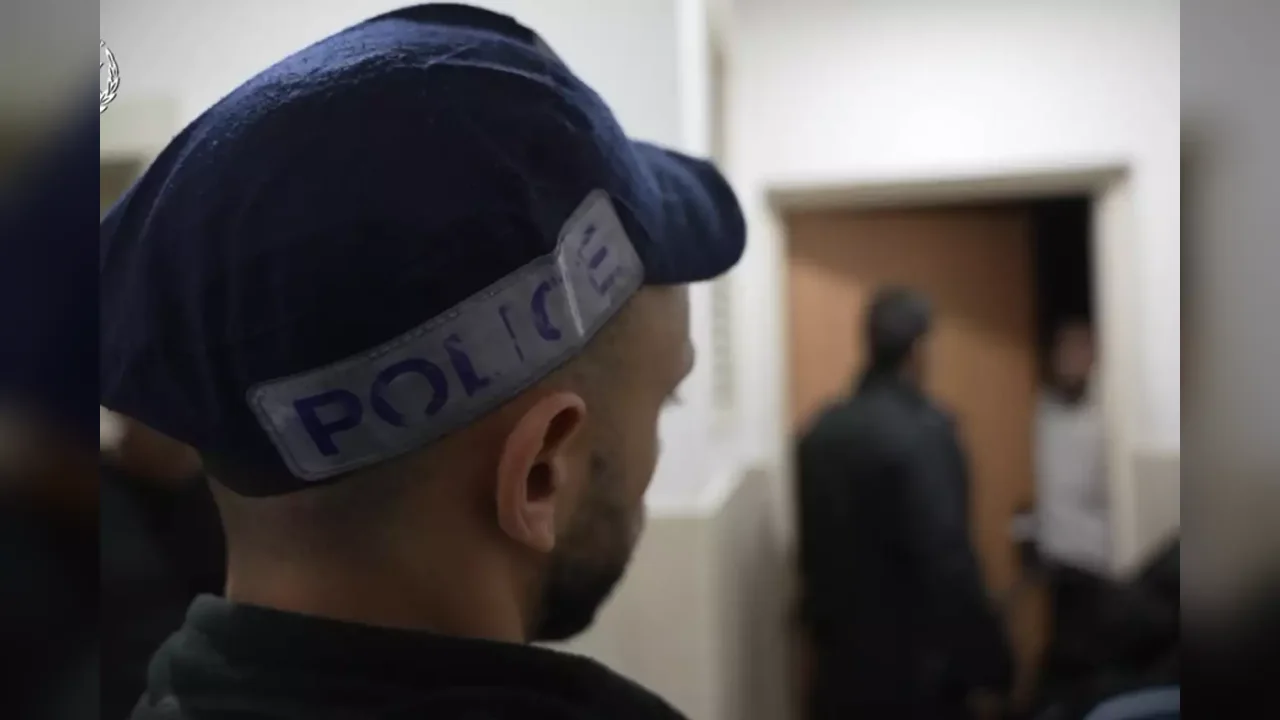
The National Fraud Investigations Unit operating within Lahav 433 is pressing ahead with its investigation into suspected electoral bribery involving activists linked to the Ra'am party, standing firmly behind the legitimacy of the inquiry. Law enforcement officials rejected criticism surrounding the origins of the intelligence delivered to Inspector General of Police Danny Levi, asserting that the information underwent thorough internal review before investigators launched operational steps.
Following authorization from the police intelligence branch and instructions issued to the Southern District, investigators carried out warrantless arrests and searches grounded in statutory police powers and the immediate suspicion of an ongoing offense. During the operation, detectives seized ten envelopes containing cash and apprehended suspects from Tel Sheva and the Azazme area. The detentions and initial findings were subsequently reviewed by the Magistrate's Court, the District Court, and the Supreme Court, with judicial instances upholding custody extensions for several suspects.
Forensic Analysis and Investigation Focus
Investigators are currently prioritizing the forensic examination of seized mobile phones and physical evidence to trace potential links to electoral corruption. The central question centers on whether the funds discovered in the envelopes were designated for specific recipients to influence voter intent within the Arab sector or to alter election outcomes.
Police are examining the broader scope of the operation to determine whether a coordinated plan existed to sway voters, identifying all intended beneficiaries and potential co-conspirators. The ongoing analysis will also evaluate whether the discovered infractions warrant measures such as polling station annulments or if the suspected activity remains limited in scale, with decisions expected following the completion of forensic evaluations.