Paraguayan President Santiago Peña Resigns Amid Major Banking Crisis
Paraguayan President Santiago Peña resigned amid a severe financial and political crisis following the central bank takeover of Ueno Bank, which locked three million citizens out of their accounts. Vice President Pedro Alliana is set to replace him.
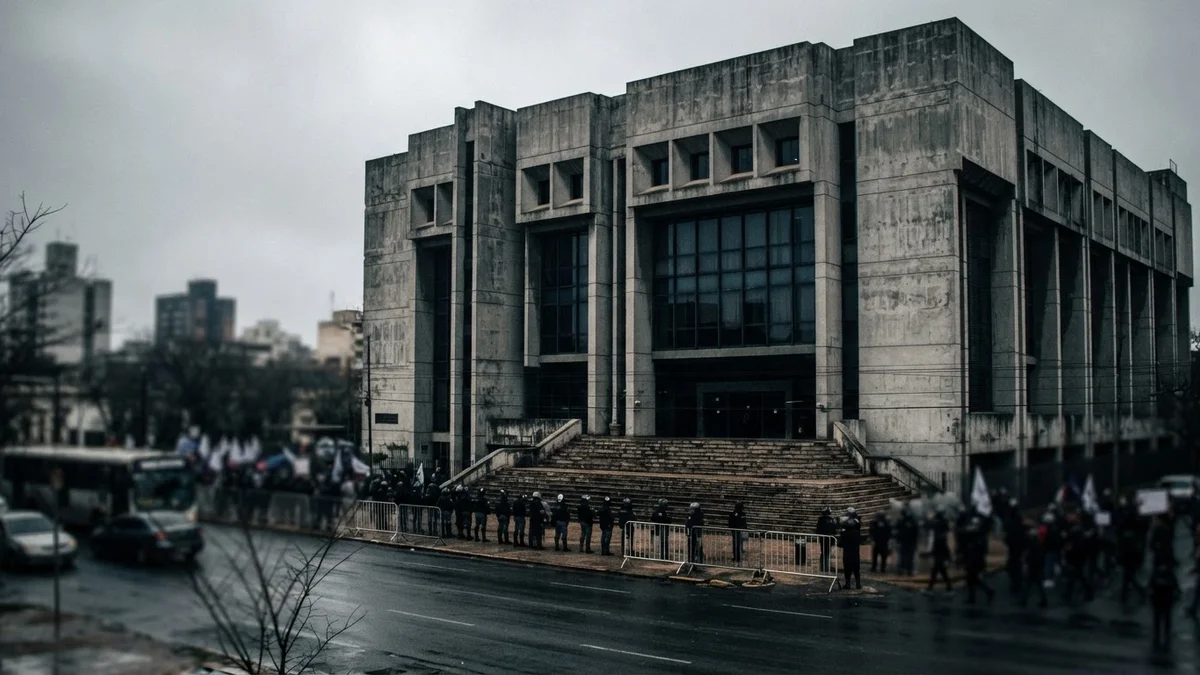
Paraguayan President Santiago Peña announced his resignation on Thursday following a severe financial and political crisis triggered by the central bank's takeover of Ueno Bank, one of the nation's largest digital lenders. The bank's collapse left approximately three million customers locked out of their accounts, igniting widespread public protests and triggering impeachment proceedings in parliament.
Financial Meltdown and Public Outrage
The crisis erupted after Paraguay's central bank seized Ueno Bank over findings that it failed to meet statutory capital and financial stability requirements. The institution had grown rapidly in recent years, accumulating around three million clients—nearly half of Paraguay's population. The state intervention resulted in the immediate shutdown of the bank's mobile application, credit cards, and transfer services, leaving numerous citizens, including retirees holding their life savings, unable to access their funds. According to Associated Press reports, the lender managed roughly $800 million to $850 million in public funds, including state pension and healthcare allocations.
The turmoil triggered panic across the national financial sector, prompting depositors to rush to transfer funds to alternative institutions and causing technical glitches in competing apps due to massive traffic spikes. Simultaneously, hundreds of demonstrators, encompassing students, workers, and aggrieved customers, flooded the streets of Asunción to demand the return of their savings and Peña's removal from office. Law enforcement deployed tear gas and riot control measures to disperse the crowds. Additionally, bank employees and staff associated with the Vasquez Group, the parent company, protested to demand unpaid wages and severance packages trapped within the frozen accounts.
Political Pressures and Business Ties
Peña faced intense scrutiny over his historical business ties to the banking group. The president held shares in the Vasquez Group until March 2025. Furthermore, after assuming office in 2023, he appointed Carlos Carvallo, who previously headed the financial regulatory predecessor body, as the central bank governor. Opposition lawmakers accused the president of conflict of interest, misuse of pension funds, and attempting to conceal systemic regulatory failures. Meanwhile, authorities initiated criminal investigations against top executives, arresting eight senior officials, including the bank's founder and president, while prosecutors filed charges against 27 managers and business figures over alleged breach of trust and fraud.
Transition of Power
In a recorded address announcing his departure, Peña stated that his decision was made with consideration for national stability, social peace, and the preservation of democratic institutions. He apologized to the public for any disappointment caused while maintaining that his primary objective remains ensuring that affected clients recover their funds. Vice President Pedro Alliana is slated to assume the presidency to navigate the fallout from the banking crisis and restore public trust.