Paraguay President Impeached and Detained Following Major Bank Collapse
The sudden collapse of Paraguay's Ueno Bank has triggered a massive financial and political crisis, leading to the impeachment and detention of President Santiago Peña amid revelations of severe capital shortages and risky loans.
Paraguay is reeling from a severe financial and political crisis triggered by the sudden collapse of Ueno Bank, one of the nation's leading digital financial institutions. The crisis has exposed deep-seated vulnerabilities in the country's banking sector and led to the impeachment and detention of President Santiago Peña.
The Collapse and Public Impact
Ueno Bank, owned by the Grupo Vázquez conglomerate, expanded rapidly from a small financing firm into a digital giant serving roughly three million clients, accounting for about 60 percent of Paraguay's adult population. The institution managed approximately 800 million dollars in public funds, including 355 million dollars from the national social security and health insurance fund. However, the Central Bank ultimately discovered that the bank's capital adequacy ratio had plummeted to less than half the legally mandated threshold, leaving it unable to absorb mounting losses.
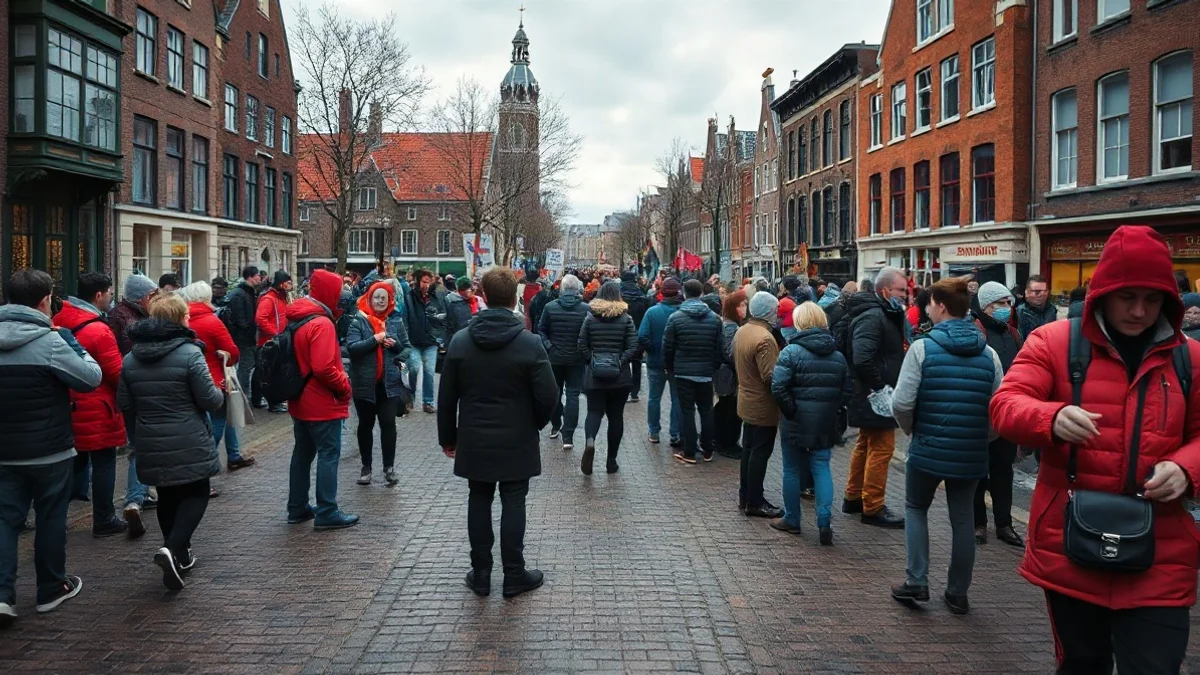
The fallout was immediate. Accounts were frozen, preventing millions of citizens, retirees, and businesses from accessing their savings, using credit cards, or executing transfers. The public quickly turned its anger toward the government, viewing the disaster not merely as a corporate failure, but as a severe regulatory and governance breakdown that brought thousands of protesters into the streets.
Political Fallout and Legal Proceedings
Investigators soon uncovered questionable financial practices, including roughly 146 million dollars in high-risk loans granted to entities connected to the bank's owners without adequate collateral. The scandal quickly engulfed the highest levels of government. President Santiago Peña, a conservative Colorado Party politician and ally of Donald Trump, had held shares in Grupo Vázquez until 2025. Although Peña maintained that he had divested his holdings prior to the crisis, lawmakers demanded answers regarding the deposition of massive public funds in a politically connected institution.
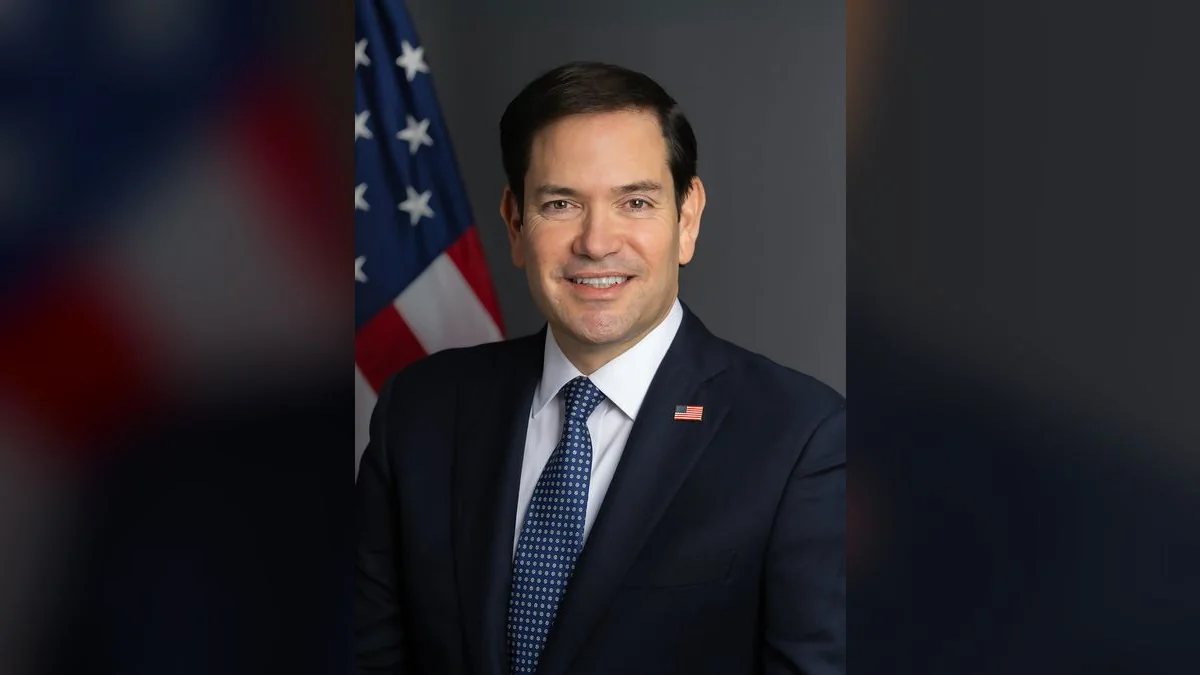
The political consequences were swift. Central Bank Governor Carlos Carvalho stepped down, and the National Congress voted to impeach President Peña. Despite denying all allegations of wrongdoing, Peña faces criminal proceedings and is currently being held at a secure military base pending further investigation.
Restoring Stability and Economic Lessons
Thanks to swift interventions by the Central Bank, depositors have begun receiving full or partial refunds of their funds, a rapid response praised by financial observers. Furthermore, the decisive legislative action against the executive branch highlights the resilience of Paraguay's democratic accountability mechanisms.
Historically praised as one of South America's most stable and economically sound nations, Paraguay now faces a vital reckoning. The crisis underscores the inherent dangers of insufficient banking competition and market concentration, serving as a stark reminder of the urgent need for robust regulatory oversight and diversified financial systems.