"They think that for a deaf mother you need to translate every word. I taught my daughters: only when it is convenient for them"
The video in which Hagit Adri's daughters translate a song for her into sign language, without stopping dancing, moved many on the web. In an interview with the ynet studio, the day before her daughter Oranit's wedding, the two told about the home where everyone - including the groom - speaks with their hands, about the interpreters who will accompany the chuppah, and about the hope that all hearing people will learn the language. "How can you communicate when the other side doesn't learn it?"

In the video, they are seen dancing together, mother and her daughters, at a happy family event. The daughters sing out loud the song playing in the background, but their hands are busy with something else: they are translating for their mother, Hagit Adri, the lyrics of the song into sign language - in real time, without stopping dancing.
Hagit is deaf from birth: her mother contracted rubella during pregnancy, and as a result, she hears nothing. Despite this, at that moving moment in the event hall, she felt part of it. "I was very moved that the daughters translated for me the lyrics of the songs that were playing in the background," she explains in sign language, while her daughter Oranit, who is sitting next to her, translates her words for us. "It was so important for me to understand what the song is about and what the words are saying," adds Hagit, "I don't hear anything, not even faint sounds, and their translation makes me feel less disconnected from the environment."
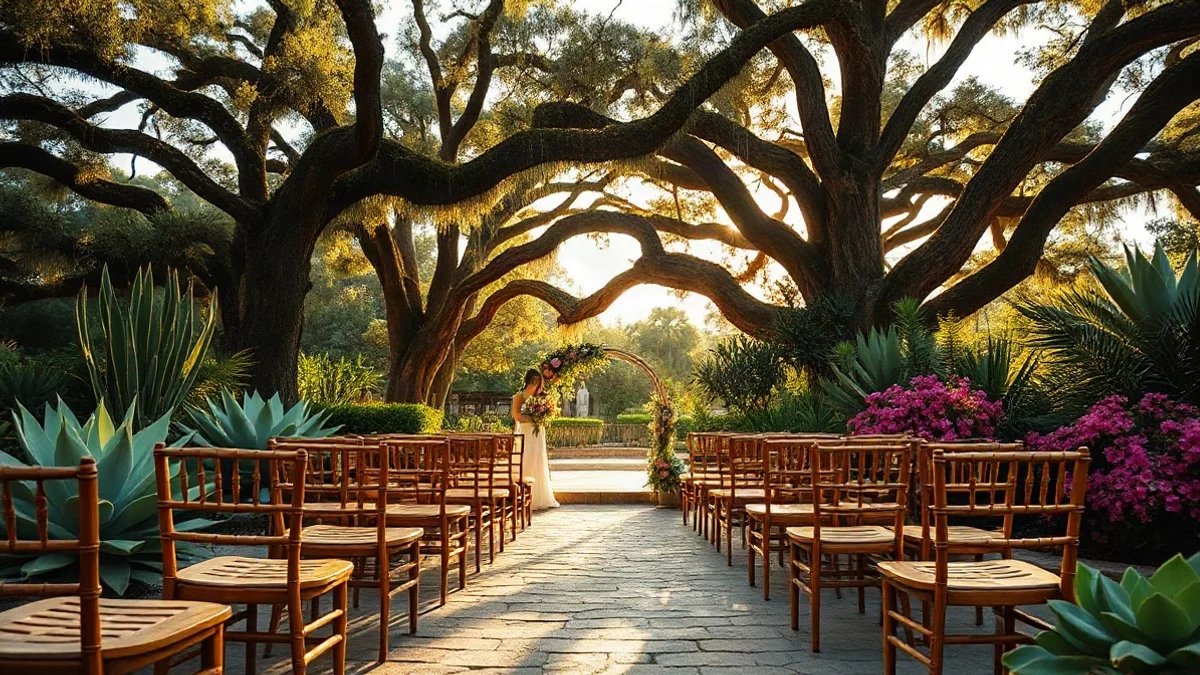
The joint interview with the two was held a day before another moving event: at the beginning of the week, Oranit married her partner of 11 years, and at this event too - like every significant moment in the Adri family - sign language was at the center.
"A gift of enormous value"
What is it like to grow up with a deaf mother? Oranit: "Growing up with a deaf mother - and also with a deaf father - is very different from growing up with a hearing parent. So much so that it is difficult to describe this difference to someone who did not grow up with a deaf parent. The bottom line is that growing up with deaf parents is amazing," she says. "It is true that there are also quite a few complexities and difficulties within this journey, but all in all, it is a gift of enormous value, one that manages to overcome any difficulty and complexity that may arise."
Hearing children of deaf parents - who are known in the deaf community and beyond as "CODA" (an acronym for Children of Deaf Adults) - often grow into the role of mediators: they are the ones who translate at the HMO and at the bank, at parent meetings and in conversations with neighbors, and serve as a constant bridge between their parents and the hearing world. This is a role that fosters maturity, responsibility, and full command of two languages, but it can also be burdensome - when a child feels that their parents' lives pass through them, and that they never have the opportunity to simply be a child.
Hagit herself says that she raised her daughters with the choice not to impose the task of translation on them as an obligation. "My mother raised me with a lot of love and patience, and these I passed on to my daughters," she says. "The accepted thought is that when you have a deaf mother you need to translate every word for her, but I taught the daughters that you don't need to translate by force - only when it is convenient for them, when they feel that it is something they want to do, and that it is natural for them at that moment. I didn't want it to be something that would stress them out."
"There must be a translation at the chuppah"
The wedding was accompanied by two sign language interpreters - one for the parents' deaf friends, and one for mom and dad. "And I will also try to translate for them as much as I can, so that they understand from me too what is happening in the moving moments," said Oranit on the eve of the wedding. "It is important to me that they be with me in the same space and feel part of it," she explained, "in most cases they are in one space with hearing people who talk among themselves, without being part of the discourse, and it is so painful and unnatural - for them and also for us as a family. This is the reason that we, their daughters, try to pay attention to this all the time and translate for them what is said around, so that they will be part of the matters."
Hagit: "I really hope that all hearing people will learn sign language, even in schools - in my opinion, it is an obligation. For quite a few people, this is the only way to communicate - with each other, but also with the hearing world. And how can you communicate when the other side doesn't learn the language?"
For Hagit, this was not a question at all. Translation at the ceremony? "Sure, obviously. It must be," she replied after Oranit translated the question for her, and on her face was a determined expression that left no room for doubt.
Sign language is, as mentioned, the language of the home in the Adri family: Oranit and her sisters have spoken it since childhood, and the partner - and from this week also her husband - has long been part of the matters. "We have been together for 11 years and he speaks the language almost like us," says Oranit with pride. And what about the next generation, will they also know the language? "Obviously. I will teach my children sign language from age zero, exactly as they taught me and my sisters."
"Music in the heart"
Words can be translated into sign language, music a little less. But when the dance floor opens, Hagit also dances together with everyone - after having developed her own method over the years, which helps her identify the rhythm of the song playing in the background.
"I look at the people around me - at their rhythm when they move, at the jumps and also at the look itself - and get from them the signs for the style of the song being played at that moment, and that's how I understand what the rhythm is that I am supposed to dance to," she explains. "I also feel through my feet the basses and the beats, especially when the dances take place on a wooden surface, next to a wall or a speaker."
So are dances something you are looking forward to at Oranit's wedding? "Of course. It is likely that most of the time I will be, together with the daughters and my husband, on the dance floor." The dance stage at the wedding was also very much awaited by the bride herself. "Mom loves to dance very much, and she inherited this love to me," says Oranit, "my partner also loves to dance very much - it's family-like for us. To dance, to jump, to rejoice with my parents and sisters - this is the thing I am looking forward to the most, after the chuppah of course."
And a moment before the dances, Hagit has one request from all of us: "It is important to me to raise awareness that there are deaf people like me, who do not hear at all, and that everything needs to be made accessible to them in sign language. I really hope that all hearing people will learn sign language, even in schools - in my opinion, it is an obligation," adds Hagit. "For quite a few people, this is the only way to communicate - with each other, but also with the hearing world. And how can you communicate when the other side doesn't learn the language?"