Alert Nurses Spot Hidden Stroke Risks in Nahariya Clinic Patient
Alert nurses at a Maccabi Healthcare Services clinic in Nahariya identified a transient ischemic attack and atrial fibrillation in a 71-year-old patient, saving him from a potential stroke.

Alert nurses at Maccabi Healthcare Services in Nahariya saved a 71-year-old patient from a potential stroke after recognizing the subtle warning signs of a transient ischemic attack.
Swift Action by Medical Staff
The patient, Youssef, arrived at the clinic after experiencing speech difficulties for about half an hour. Although his symptoms had completely vanished by the time he reached the facility and he reported feeling well, nurses Reham Kharzan and Elin Khatib suspected he had suffered a transient ischemic attack, which serves as a critical warning sign for a full stroke.
During the examination, the nurses recorded vital signs and noted an elevated pulse rate. After connecting him to a saturation monitor, they suspected a cardiac arrhythmia. An electrocardiogram subsequently confirmed atrial fibrillation, a heart rhythm disorder that significantly increases stroke risk. Dr. Kaye Alkara, a family physician with Maccabi Healthcare Services, explained that atrial fibrillation causes irregular contractions in the heart's upper chambers. This irregularity can lead to blood pooling, clot formation, and potentially a blockage in cerebral blood vessels.
Overcoming Hesitation and Securing Treatment
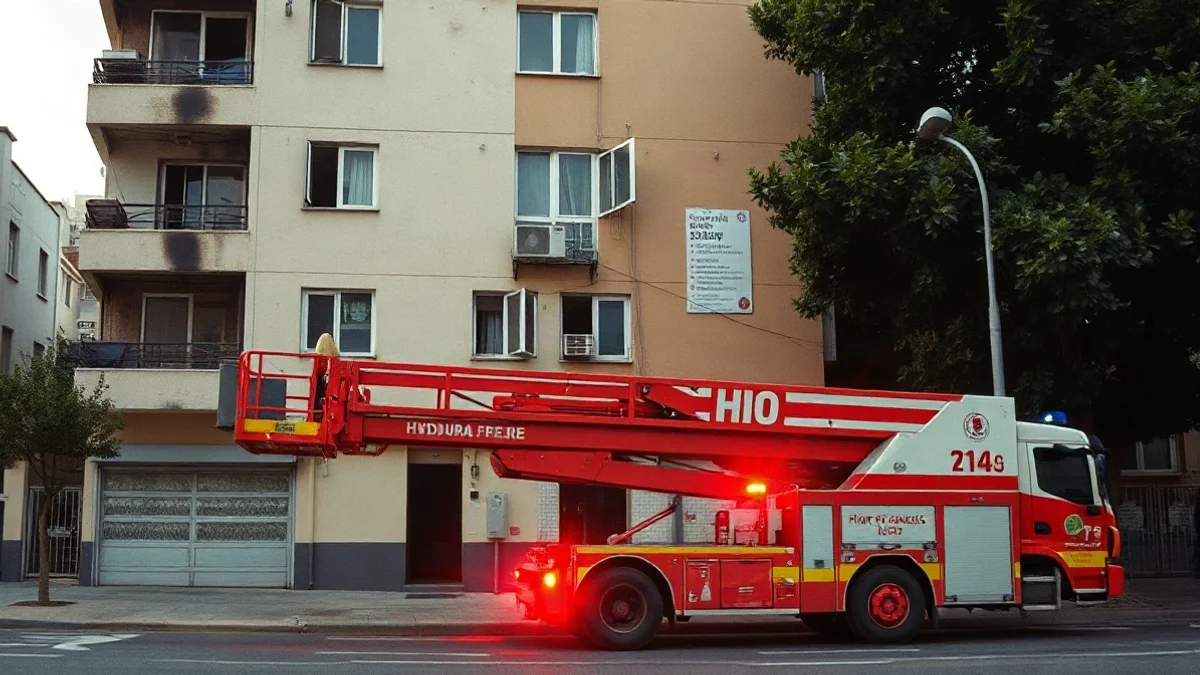
Following the diagnosis, the nurses immediately summoned an intensive care mobile unit to transfer Youssef to a hospital. Believing he was fine because his symptoms had stopped, the patient initially resisted evacuation. However, the nurses persisted, explaining that the disappearance of symptoms did not eliminate the underlying danger of severe complications. Recognizing the urgency, Youssef ultimately agreed to be transported.
At the hospital, Youssef underwent comprehensive neurological and cardiological evaluations. Physicians confirmed a transient ischemic attack alongside previously undetected atrial fibrillation, necessitating ongoing medical management. Medical experts reiterate that transient ischemic attacks involve temporary disruptions in cerebral blood supply, manifesting as sudden weakness, vision disturbances, or speech impairment. Even when symptoms resolve swiftly, immediate medical evaluation remains essential to prevent catastrophic stroke events.