Senior Israel Postal Bank Official Suspected in Double Embezzlement Scheme
A senior official at Israel Postal Bank is suspected of running a double scam involving rigged distribution contracts and unauthorized private customs fee collections.
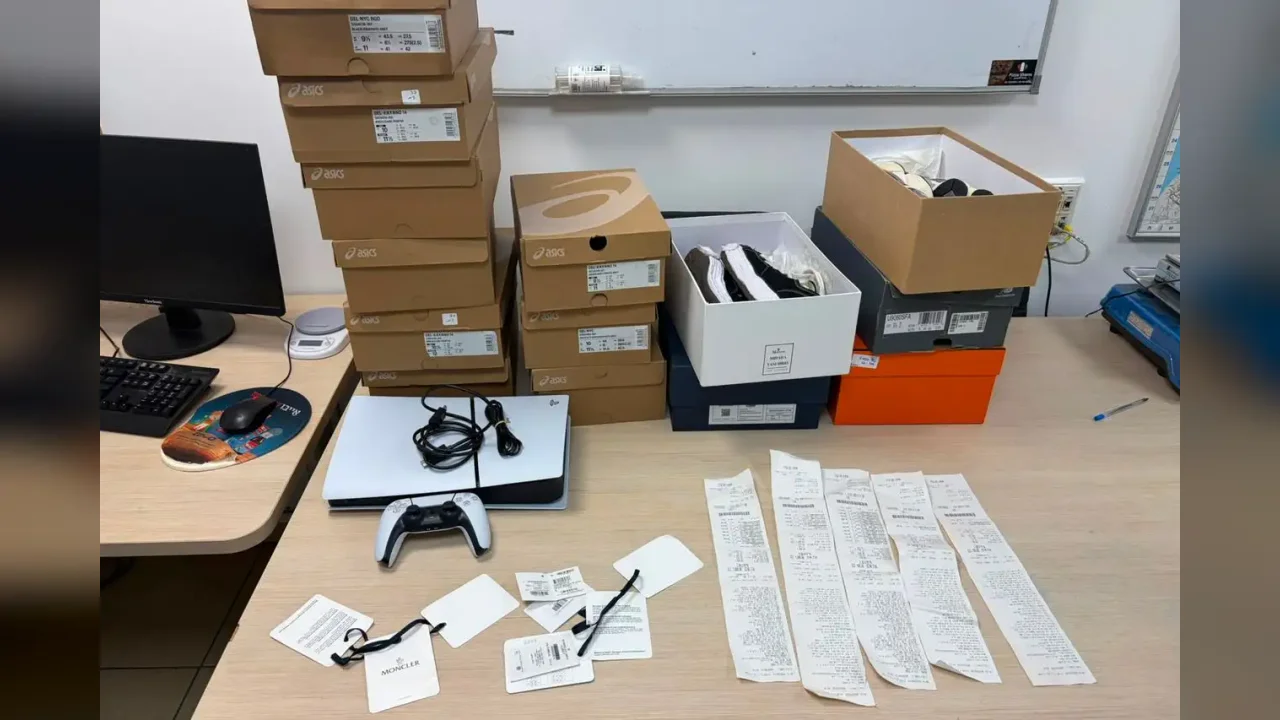
A senior official at Israel Postal Bank is suspected of operating a double-scam scheme that allegedly defrauded both the company and its customers. According to available information, the official orchestrated a system where relatives secured postal distribution contracts while company-employed couriers performed the actual work. Simultaneously, individuals acting on behalf of the official allegedly collected customs fees from customers directly into private mobile payment accounts.
The Distribution and Customs Scams
Under the first method, family members were registered as winners of postal distribution center contracts. Although the relatives did not execute the labor, distribution payments were transferred to them, while the couriers who completed the tasks continued to receive standard salaries from the company.
The second method targeted customers who ordered parcels from abroad and needed to pay customs duties to release them. Associates allegedly contacted customers, instructed them to transfer the payments via the Bit application to private accounts, and released the parcels only after the funds were deposited.
Internal Investigations and Past Incidents
Several employees have already faced questioning by the security division of Israel Postal Bank, though the organization has not yet referred the case to law enforcement. The exact financial scope, duration, and number of participants in the operation remain unclear.
This case adds to a series of financial irregularities uncovered around the time of the company's privatization. Sold to a consortium comprising Milgam, Phoenix Holdings, and Leyman Schlussel for 468 million shekels, the enterprise has previously encountered substantial embezzlement allegations. In one prior instance, postal agents allegedly exploited a computerized vehicle ownership transfer system to siphon approximately 25 million shekels over nearly two years. In another case, a customer service representative at Israel Postal Bank was suspected of draining more than 100 thousand shekels from prepaid customer cards before being arrested and dismissed. Representatives for Israel Postal Bank declined to provide a response.