Northern Israel Faces Deep Strategic and Healthcare Challenges, Experts Warn
Senior officials and security experts convened at the Haifa conference to address northern Israel's security, healthcare, and industrial challenges, demanding decisive state action and systemic political stability.
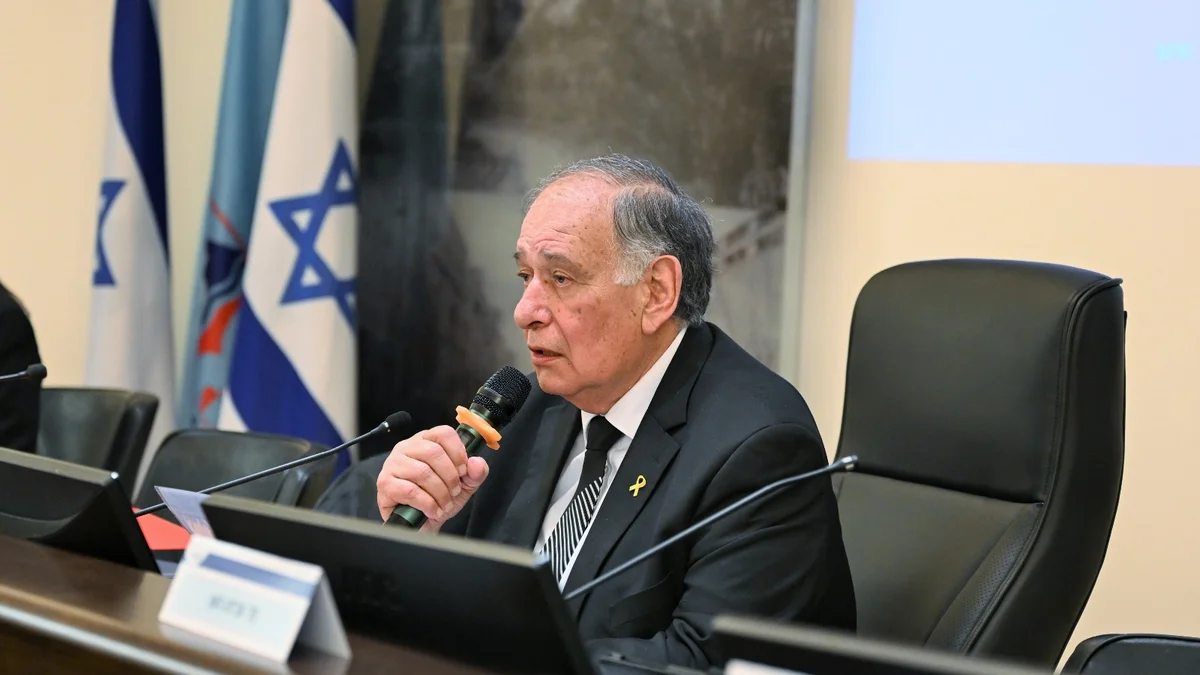
At the 'Bishvil HaTzafon' conference in Haifa, senior business figures, industry executives, security experts, and policy leaders convened to address the pressing security, industrial, and healthcare challenges facing Israel's northern periphery. The event was initiated by the Israeli Association of Directors, the Manufacturers Association of Israel (Northern Region), and the 8200 for Small Businesses Association. Discussions highlighted a collective demand for systemic stability, economic horizons, and decisive governmental action.
Opening the panels, Manufacturers Association President Avraham Novogrotzky called for the formation of a broad and stable government to halt the exodus from the periphery. 'We must prioritize systemic stability over right-left political battles,' Novogrotzky stated, urging leaders to establish employment-driven policies that secure a stable economic future for residents in both the north and the south.
Security expert and retired IDF Colonel Kobi Marom delivered a sharp critique of national leadership regarding the northern front, Iran, and Syria. Marom stressed that Kiryat Shmona is a national problem rather than a localized northern issue. Referring to displaced residents, he noted that evacuating tens of thousands of citizens for a year and a half has severed them from education, employment, and normal life, creating a strategic vulnerability. Marom also assessed that Iran is heading toward a severe escalation amid economic distress, warning that the regime could collapse within weeks in a comprehensive military and economic conflict.
Prof. Salman Zarka, director of Ziv Medical Center in Safed, addressed the deep disparities in healthcare between the periphery and central Israel. Zarka pointed out that northern residents face a lower medical standard, resulting in a life expectancy three to four years shorter than that of residents in Tel Aviv and Haifa. He emphasized that chronic resource shortages lead to extreme emergency room wait times and severely limit specialized medical care, such as pediatric neurology and oncology services.
Addressing infrastructure and regulatory bottlenecks, Gili Shefer, CEO of Doral Urban, warned that institutional stagnation is hindering renewable energy development. Shefer noted that regulatory delays prevent Israel from meeting its renewable energy targets, stressing that the sun-drenched northern region holds immense potential for green energy projects once administrative hurdles are cleared.
Kfir Remez, Head of Branch Division at Bank Hapoalim, underscored the critical need for immediate government intervention to support northern businesses and communities. Remez pointed out that unlike southern cities such as Sderot and Ofakim, which benefited from effective legislative frameworks and experienced positive migration, northern business owners received vital state grants and tax relief with significant delays, complicating their recovery.