Court Extends Nivi Zaguri Solitary Confinement by Six Months
A court extended crime boss Nivi Zaguri's solitary confinement by six months after nine years in isolation, while granting him an extra yard hour and ordering a review of dual segregation.
The Israel Prison Service and the State Attorney's Office have requested the District Court to extend the solitary confinement of organized crime boss Nivi Zaguri by an additional six months. Authorities based the request on updated intelligence reports submitted to the judge, citing ongoing severe risks posed by the inmate.
Zaguri is currently serving three life sentences plus an additional 30 years for the murders of Dvora Hirsch, Elisha Sabah, and former state witness Tal Korkos. Having spent the past nine years isolated in a single-person segregation wing, Zaguri and his legal team strongly opposed the extension.
Legal Arguments and Courtroom Proceedings
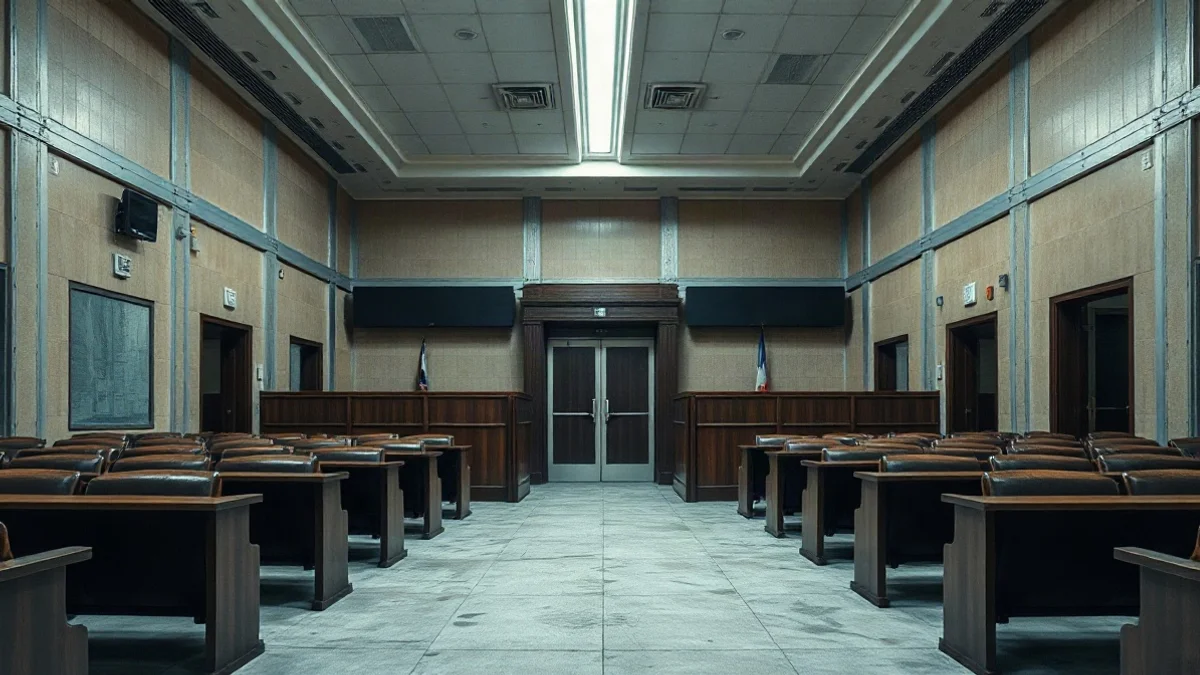
During a hearing at the Central District Court in Lod, defense attorney Moti Azulai sharply criticized state authorities for filing the isolation extension request with insufficient notice and delivering classified intelligence materials at the very last minute. Zaguri himself dismissed the intelligence reports presented against him, telling the court that the state has merely relied on a copy-paste of old intelligence information for nearly a decade.
Defense counsel Azulai formally petitioned the court to order the prison service to transfer Zaguri to dual segregation with another inmate, pointing out that his mother and grandson recently received special approval to visit him. Furthermore, the defense requested an additional daily hour in the prison yard to alleviate his harsh confinement conditions.
Judicial Decision and Next Steps
Judge Ron Solkin balanced the competing demands in his ruling. On one hand, the court upheld the request to keep Zaguri in solitary confinement for another six months due to security assessments. On the other hand, the judge ruled in favor of the defense by granting Zaguri an extra daily hour of recreation in the yard.
In addition, the judge instructed the prison service to examine the feasibility of moving Zaguri to dual segregation within 60 days and submit its formal recommendations to the court, providing a potential avenue for easing his long-term isolation.