Why Adult Vaccination Matters: Protecting Health Beyond Childhood Years
Health experts highlight that vaccine protection must continue throughout adulthood as immunity declines with age. Prof. Yasmin Maor explains how immunizations prevent severe respiratory, cardiovascular, and oncological complications across all life stages.
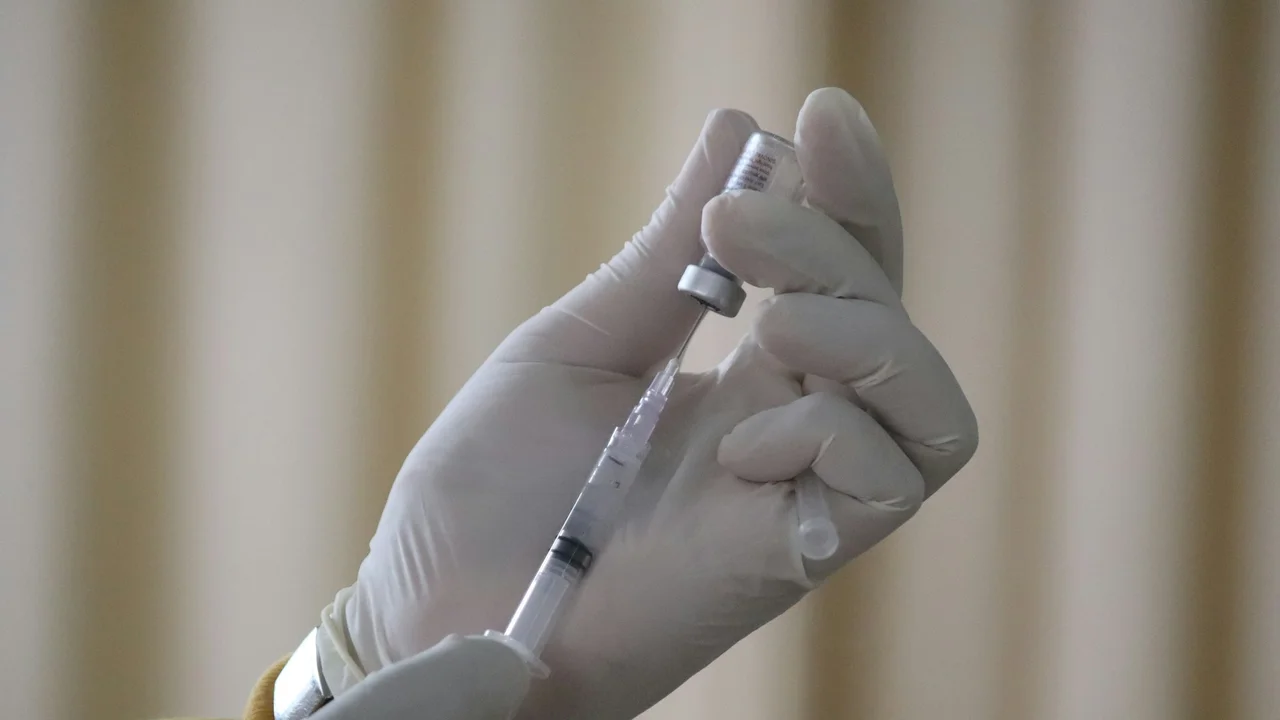
Vaccines are often perceived as a medical necessity exclusive to childhood, but health experts emphasize that the need for immune protection evolves throughout a person's entire life. Prof. Yasmin Maor, head of the Infectious Diseases Unit at Wolfson Medical Center and chair of the Israel Infectious Diseases Society, explains that individuals who feel entirely healthy should still evaluate which immunizations suit their age and personal medical background.
The Lifelong Evolution of Immunity
Childhood immunization programs have successfully transformed once-widespread diseases into rare occurrences, yet these pathogens have not vanished entirely. Prof. Maor points to measles as an infection capable of resurfacing whenever vaccination coverage declines. Furthermore, biological immune functioning begins to decline starting around the age of fifty, meaning that an active lifestyle alone does not offset age-related immunological changes.
Specific medical conditions also require tailored clinical strategies. Individuals managing chronic illnesses, significant pulmonary disorders, or compromised immune systems often need customized vaccination schedules. For patients undergoing biological treatments, Prof. Maor stresses that recommendations must be evaluated on an individual basis in consultation with a family doctor or attending specialist.
Protecting Heart Health and Quality of Life
Recent medical observations connect respiratory infections such as influenza, COVID-19, and RSV with an elevated risk of cardiovascular complications. Persistent inflammatory responses following recovery can affect individuals even if they have no prior history of heart disease, highlighting immunization as a vital shield against severe systemic illness.
Preventative measures also target painful post-infection syndromes and bacterial complications. Shingles, for instance, can trigger prolonged nerve pain that severely impairs daily functioning and quality of life in older adults and immunocompromised populations. In addition, pneumococcal vaccines protect against severe bacterial infections like pneumonia, while human papillomavirus (HPV) immunizations extend beyond cervical cancer prevention to protect both men and women against oral, throat, and anal cancers associated with specific viral strains.
Consulting Your Physician
Determining the correct vaccination regimen relies primarily on guidance from family physicians or treating specialists. Patients are encouraged to review recommended immunizations based on age and health status during their next medical visit, while the Ministry of Health maintains detailed professional vaccination guidelines for public reference.