Tel Aviv's Neve Sha'anan Apartment Prices Fall by Up to 15% Amid Market Slowdown
Property values in Tel Aviv's Neve Sha'anan neighborhood have dropped by 10% to 15% over the past year, forcing owners to compromise on prices or delay sales amid shifting real estate market conditions.
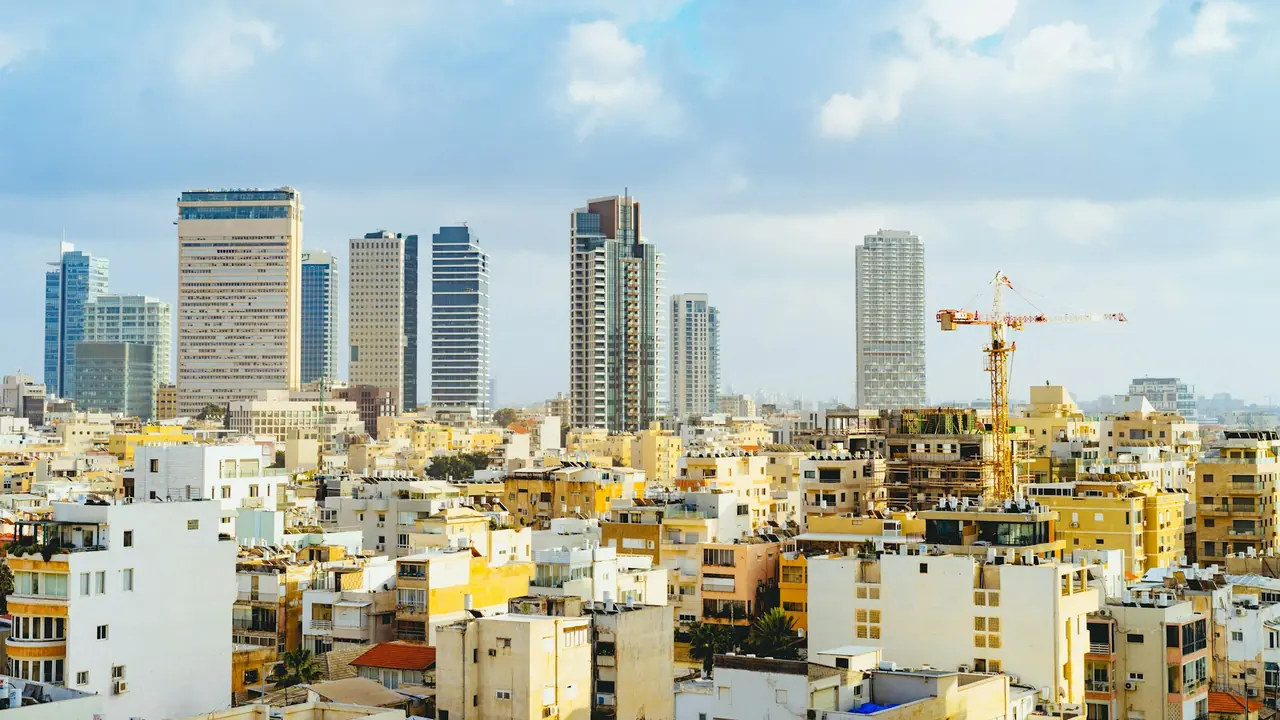
Property owners in Tel Aviv's Neve Sha'anan neighborhood who anticipated that urban renewal would boost their asset values are currently facing a sluggish housing market, forcing many to either compromise on price or continue waiting. According to Eyal Haushner, deputy CEO at Haushner Real Estate Appraisers, asking prices for three-room apartments, particularly in the neighborhood's older buildings, have dropped by 10% to 15% over the past year. This downward trend began toward the end of 2025.
Not all sellers are willing to lower their expectations. Real estate broker Itay David points to an owner of an 80-square-meter apartment who initially listed the property for 2.4 million shekels—the exact amount he paid for it four years ago. Realizing he could not secure his asking price, the owner decided to withdraw the property from the market, preferring to wait rather than sell at a loss.
Investors Face Financing Costs and Uncertain Timelines
Relatively low entry prices for Tel Aviv, steady rental income, and expectations of future urban renewal have traditionally attracted investors to Neve Sha'anan. However, holding property for years while awaiting long-term development requires significant financial staying power and patience. Current high interest rates and purchase taxes weigh heavily on deal viability, while the timeline for future appreciation remains uncertain.
Haushner notes that investors play a central role in the neighborhood, with small apartments of 2 to 2.5 rooms, measuring 45 to 55 square meters, driving a substantial share of market activity. Some housing stock was specifically tailored for this demographic, such as furnished and managed rental units on Ein HaKore Street.
Sellers currently comprise both heirs seeking to liquidate family assets and investors eager to exit the market. David explains that he encounters many owners who bought properties anticipating urban renewal benefits but are now reevaluating their investments.
Micro-Locations and Rental Stability
Market dynamics vary significantly even within Neve Sha'anan. New buildings equipped with elevators and reinforced security rooms appeal to a different buyer demographic than older structures, with price gaps reflecting immediate street conditions and proximity to revitalizing areas.
According to Haushner, price tags per square meter in new projects along Hamerkavot, HaGra, and Haharash streets significantly outpace older buildings. The neighborhood's peripheries bordering Florentin and Menachem Begin Road behave more like an extension of central Tel Aviv, whereas the interior sectors face distinct market conditions.
Rental income reflects similar disparities. David notes that a three-room apartment in an older building rents for 4,500 to 5,000 shekels per month, compared to 6,500 to 7,000 shekels in a new building.
While selling prices decline, the rental market demonstrates stability with virtually no rent increases compared to the previous year. Demand is sustained by foreign workers, asylum seekers, students, and artists seeking affordable proximity to central Tel Aviv. As Haushner summarizes, finding a tenant is easy, but raising rent is difficult.