Wisdom Council Proposes Netanyahu-Eisenkot Rotation Tied to Presidency
A civil movement has proposed a new political framework featuring a rotation between Benjamin Netanyahu and Gadi Eisenkot, tied to the 2028 presidential election as a guarantee.
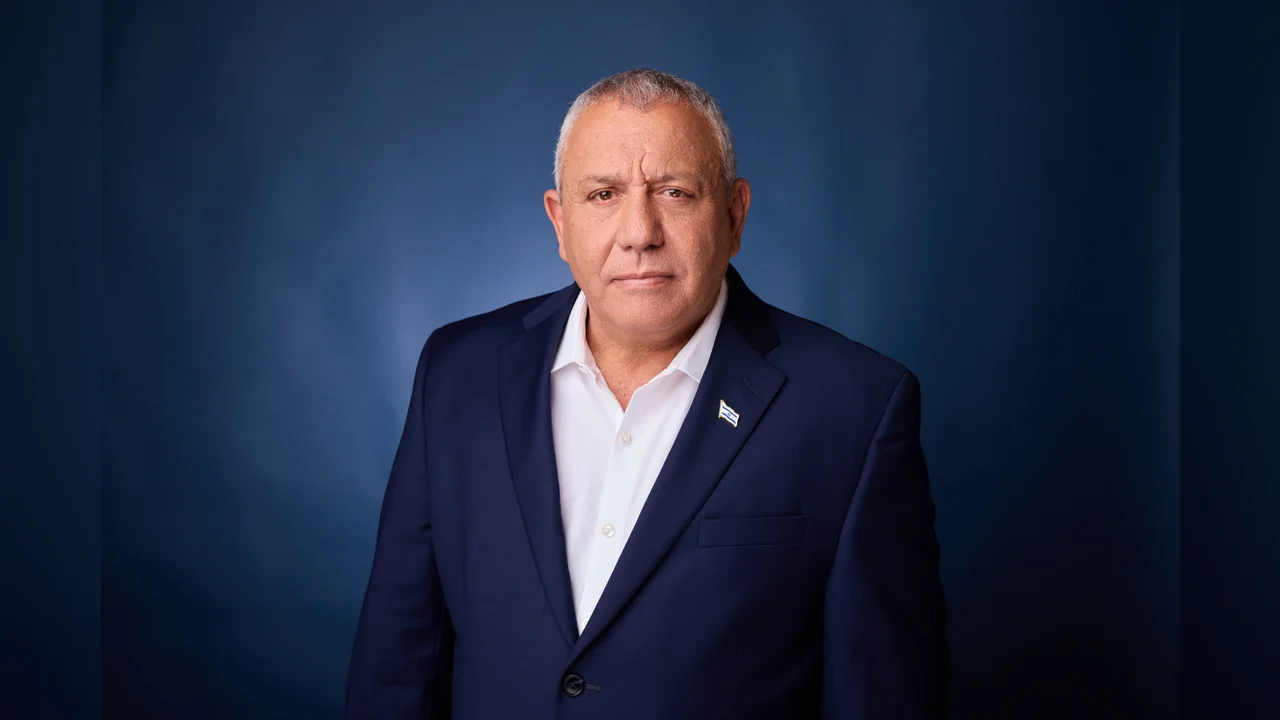
Amid a prolonged political stalemate over government formation, the civil movement Wisdom Council has unveiled a novel framework for establishing a broad Zionist unity government. Formulated under the leadership of former Knesset member and Yesh Atid figure Anat Kanfo, the initiative proposes a rotation agreement between incumbent Prime Minister Benjamin Netanyahu and Yashar! party leader Gadi Eisenkot, coupled with a presidential bid.
The Rotation and Presidential Mechanism
Under the proposed outline, Benjamin Netanyahu would serve as prime minister for the initial 18 months, during which Gadi Eisenkot would join the cabinet as a senior minister and deputy prime minister to gain ministerial experience. Following this period, Netanyahu would transfer the premiership to Eisenkot. Upon the conclusion of President Isaac Herzog's seven-year term in the summer of 2028, Netanyahu could then seek election to the presidency, a move the council suggests would allow him to continue focusing on strategic affairs and international relations, including the Abraham Accords.
To ensure the implementation of the rotation, the proposal leverages the constitutional timeline for presidential elections. According to Basic Law: The President of the State, the Knesset elects the next president 30 to 90 days before the incumbent's term expires. The council suggests that the Change Bloc could condition its support for Netanyahu's presidential candidacy on the fulfillment of the rotation agreement and the transfer of the premiership to Eisenkot.
"The solution is right in front of us," Kanfo stated. "Instead of continuing the struggle between the blocs, we propose a framework that allows for the immediate establishment of a broad, responsible, and professional Zionist government, while securing a horizon for a transfer of power."
National Challenges and Stakeholder Perspectives
Proponents of the plan emphasize that the initiative is designed to overcome political deadlock while addressing critical national security and societal challenges following the October 7 Hamas massacre and the ongoing regional conflicts involving Lebanon and other fronts. The council explicitly opposes forming a government reliant on Arab parties that do not recognize Israel's Jewish and Zionist character, urging the Change Bloc to pursue a broad coalition instead.
The Wisdom Council is an advocacy movement led by women, including bereaved mothers and relatives of fallen soldiers and hostages, such as Frida Marciano, Tali Sharam Liberman, and Merav Berger. Alongside the political roadmap, the movement calls for transparency in coalition agreements and increased citizen involvement in policymaking to strengthen national resilience.