Israeli Parties Detail Negev and Galilee Development Plans Ahead of Elections
As Israelis head to the 26th Knesset elections, political parties unveil competing master plans for developing the Negev and Galilee. Local leaders demand a massive national investment framework following the October 7 war.
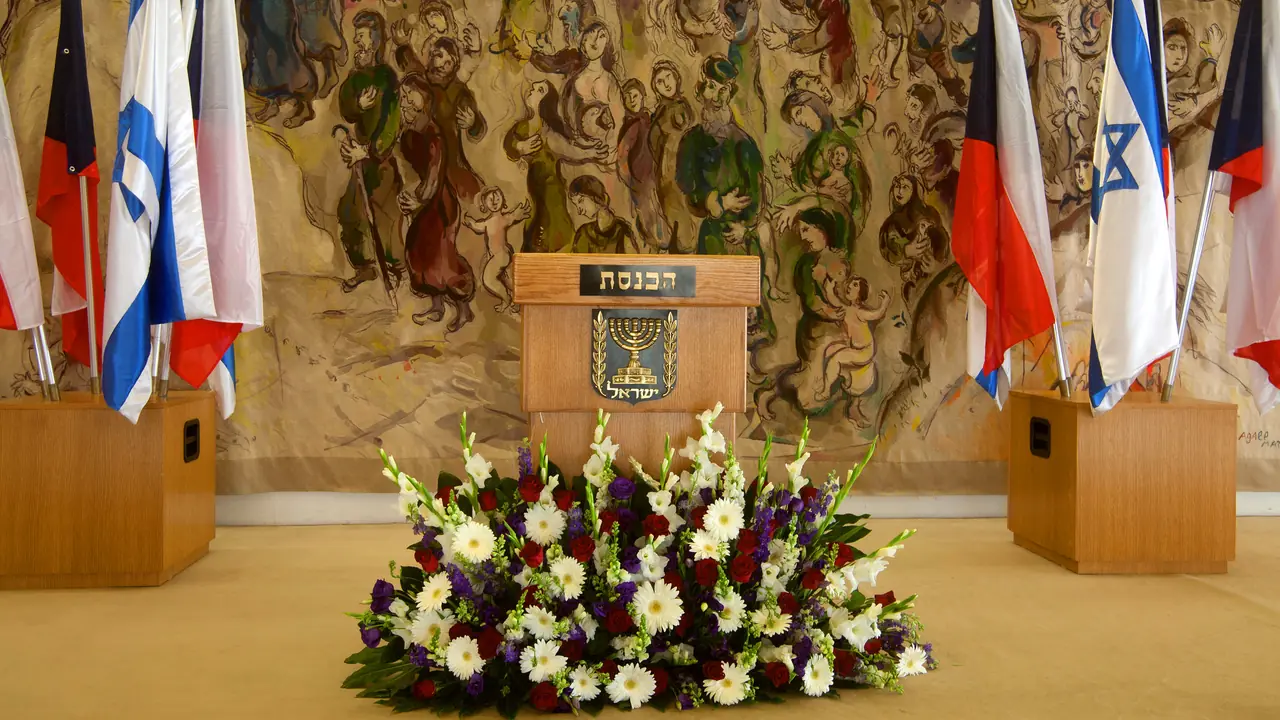
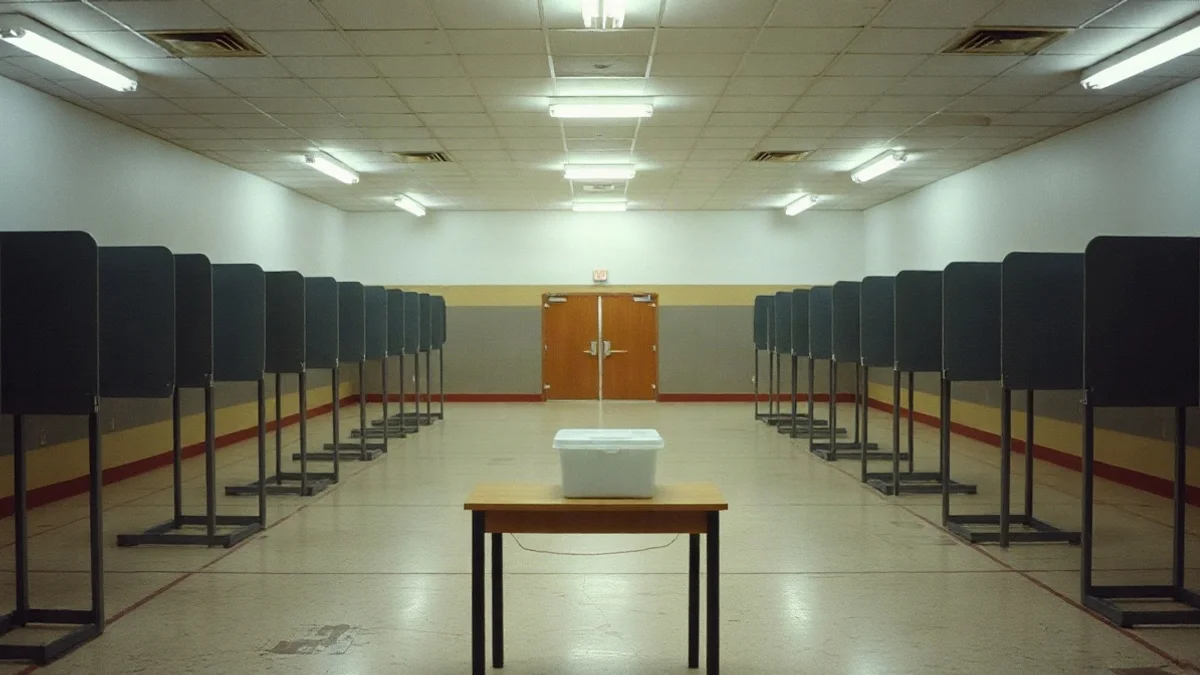
Israelis head to the polls on Tuesday to elect the 26th Knesset, with hundreds of thousands of residents from the north and south awaiting crucial investments, development budgets, and recovery plans following the October 7 war. Ahead of the vote, 38 local authority heads called on political factions to enshrine a national master plan for the Negev and Galilee in the next government's baseline guidelines.
The initiative, titled "Israel's New Centers" and coordinated by Or Movement alongside student groups and reservist associations, received responses from six political lists: Likud, BeYachad led by Naftali Bennett, The Democrats, Yashar!, Otzma Yehudit, and the joint slate of Religious Zionism and Zehut.
Party Platforms and Development Goals
Likud, led by Prime Minister Benjamin Netanyahu, pledged to anchor Negev and Galilee development in government guidelines within 100 days, establishing a dedicated coordination body in the Prime Minister's Office. Proposed projects include the planned international airport in Tzalal, expected to generate approximately 14,000 jobs, the IMEC project in the Haifa area, long-term planning for four million additional residents, and a new hospital in the Negev.
BeYachad, led by Naftali Bennett, set a target of one million additional residents in the south and north within a decade. The party promises residential neighborhoods, medical clinics, rail lines, high-speed transit axes, tax benefits, and dedicated housing loans, backed by a prime ministerial committee and a regional execution directorate.
The Democrats, led by Yair Golan, committed to a multi-year national plan with a dedicated budgetary framework, expanded municipal authorities, and reduced bureaucracy. Their program prioritizes education, public transport, new regional hospitals, doctor incentives, affordable housing, and support for small businesses.
Budgetary Commitments and Regional Visions
Yashar!, led by Gadi Eisenkot, set a target to double the Negev population to 2.5 million by 2048 and add 150,000 residents to the north within a decade. The party committed to investing roughly 15 billion shekels in the north over five years, enshrining national priority status for confrontation lines, and completing regional fortification within three years.
Otzma Yehudit, led by Itamar Ben Gvir, emphasized ongoing development through infrastructure, housing, employment, and personal security, highlighting the achievements of the Ministry of Negev and Galilee under Yitzhak Wasserlauf. Meanwhile, Religious Zionism and Zehut proposed establishing 20 new settlements in the Negev and 20 in the Galilee, alongside dozens of farms and hundreds of thousands of housing units.
Local authorities envision transforming the periphery into home to eight million residents by the state's centennial, requiring over 200 billion shekels in public, private, and philanthropic investments over the decade. While parties outline sweeping visions, Yashar! remains the only faction to explicitly pledge a specific budgetary framework of 15 billion shekels for the north.