Not waiting for the police: how synagogue congregants in the US became a security apparatus
Against the backdrop of a surge in antisemitic incidents and threats to Jewish institutions in the United States, thousands of community members are undergoing security training and joining synagogue security teams.
The entrance doors of many synagogues across the United States have recently turned from friendly welcome desks into strict security checkpoints. Against the backdrop of an unprecedented surge in antisemitic incidents and growing threats to Jewish institutions, many communities are choosing to train their members as volunteer security teams.
The traditional practice, which included hiring a security guard for the High Holy Days, installing cameras, and calling the police in an emergency, is giving way to multi-layered and complex defense systems. According to a report published on the news site "Axios", physical assaults against Jews in the US reached a 46-year high in 2025. Notable events from the recent period included, among others, a double stabbing on the Upper West Side in New York, the spraying of swastikas on a community center, and a synagogue damaged by fire in California.
"It doesn't mean we're ninjas or law enforcement, but everyone has a role they can play," explained Rusty Rosenthal, a retired FBI agent who manages "JShield", the security arm of the Jewish Federation in the Washington area.
The data on the ground reflects the depth of the change: the CSS organization, founded in 2007 and having grown significantly following the massacre at the synagogue in Pittsburgh in 2018, has already trained over 7,100 active volunteers who currently secure more than 500 events and synagogues every week. The organization's CEO, Richard Priem, who served as a paratrooper in the IDF, noted to "Axios" that last year more than 20,000 community members completed training with the assistance of FBI agents and retired police officers. At the same time, the Secure Community Network of North America reported a record of 5,409 incidents of threats and suspicious activity in 2024, a 112% increase compared to two years earlier. The network even helped synagogues obtain security funding totaling $23.7 million and conducted over a thousand security assessments for buildings in 2024.
According to Priem, congregants who have undergone training bring a unique advantage that commercial security guards often lack: an intimate familiarity with the community, the understanding of who belongs to the place, and the ability to discern what looks unusual. However, the move has a psychological price. Rabbi Nolan Lebowitz from Los Angeles, a grandson of Holocaust survivors, said that religious leaders are struggling to balance security needs with spiritual hope.
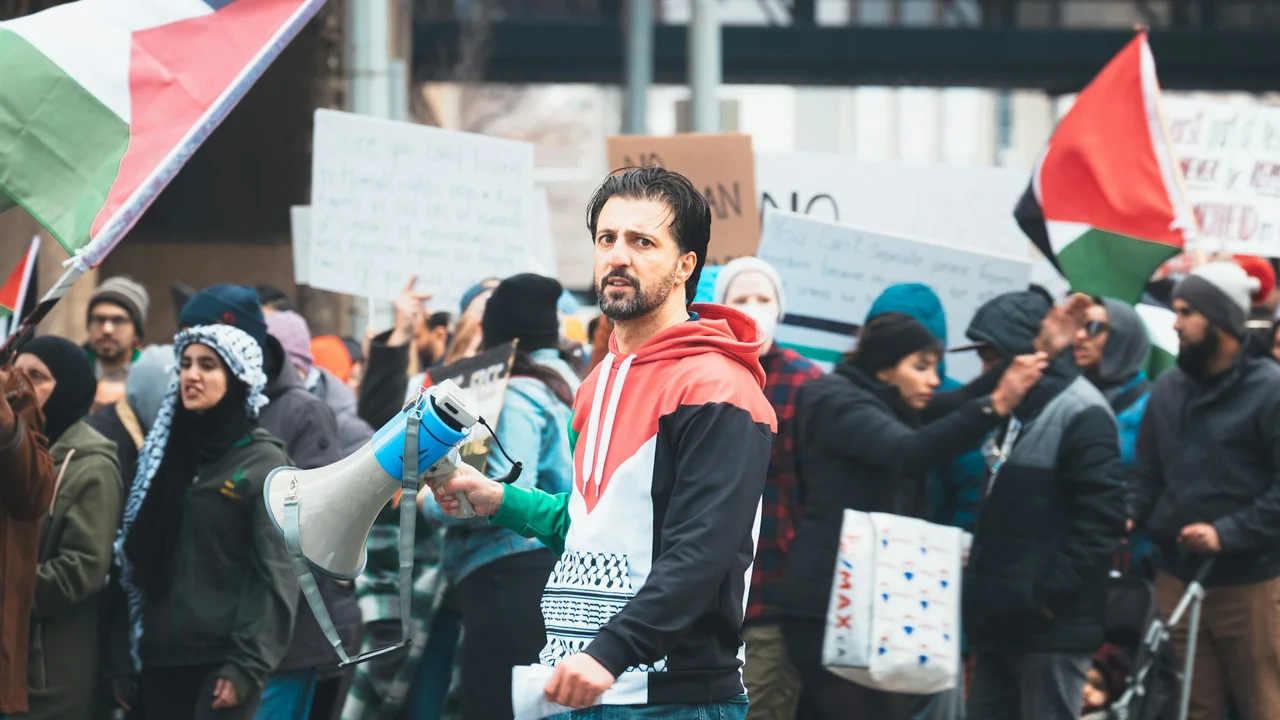
The security situation is directly linked to the "Iron Swords" war. A "Gallup" poll found that 41% of Americans now identify more with the Palestinians, compared to 36% with the Israelis, and a "Pew" Research Center poll indicated a more negative attitude toward Israel since the Hamas attack in October 2023. According to Rabbi Lebowitz, the demonstrations against synagogues surrounding the war in Gaza expose a deep double standard:
"No one in this country would think to protest about what is happening in Mexico during a Latino cultural event. This trend of increasing security will only stop when the American Jewish community feels safe again, period."