Mutiny in the Givati Brigade: Sentences handed down to soldiers
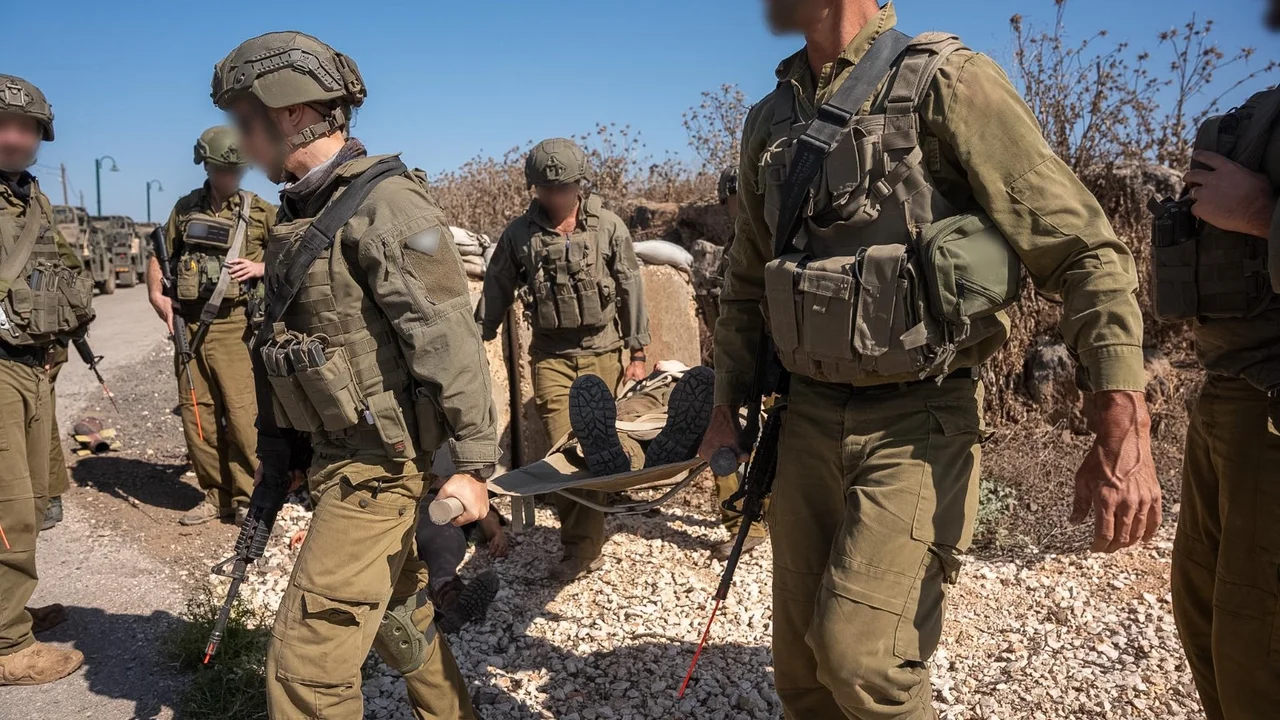
The 14 soldiers who led the disciplinary incident in the Tzabar Battalion were sentenced to 30 days in prison, will be removed from combat duty, and will be transferred from combat roles. About 80 additional soldiers who left the base will undergo a command-educational process this weekend.
The IDF stated that the trials of the soldiers who led the mutiny incident in the Tzabar Battalion, conducted by the commander of the Givati Brigade, Colonel Netanel Shamka, have concluded. 14 of the soldiers who led the incident were sentenced to 30 days in military prison, will be removed from combat duty, and will be transferred out of combat roles.
In addition to the punishment of the mutiny leaders, about 80 other soldiers who left the base and returned to it will undergo a command and educational process this coming weekend, together with their commanders, to strengthen the discipline, values, and norms expected of IDF soldiers.
Furthermore, two soldiers among the leaders of the incident who reported during the night will be tried later, and the decision regarding one soldier who has not yet reported for trial will be made and communicated later.
The incident began after a severe confrontation with the battalion commander, during which he broke in front of the soldiers the "pugim" — metal or wooden boards on which morale slogans associated with the platoons and companies appear. The act was perceived by some of the soldiers as a direct insult to the unit's spirit and their identity.
Following the incident, the soldiers and commanders decided to leave the base, taking only personal equipment with them — but without weapons and without military gear. According to testimonies, many of them made their way back to their homes.
Following the incident, the commander of the Givati Brigade, Colonel Netanel Shamka, sent a letter to the brigade's soldiers and commanders, in which he clarified that the case would be handled severely:
"The disciplinary incident that occurred now in the Tzabar Battalion is a serious event, which has no place in the IDF in general and in the Givati Brigade in particular."
The Givati Brigade commander praised the activity of the soldiers and commanders during the war, but emphasized that the values required of them on the battlefield are also required of them in routine times:
"Whoever fights together under fire, whoever trusts his comrade on the battlefield, and whoever carries the spirit of Givati, is required to meet the same standards in routine as well. There is no separation between the values that lead us in combat and our conduct in day-to-day life."
Shamka added that in the IDF, there is no place for harming discipline, the authority of commanders, or the basic norms upon which our fighting force relies. According to him, the incident will be handled with full seriousness by the commanders, out of responsibility and concern for the soldiers, but also out of a commitment to set a "clear and uncompromising bar."
"The strength of the Givati Brigade was built on professionalism, camaraderie, discipline, and trust between commanders and soldiers," the brigade commander concluded. "These are not compromised on, neither in combat nor in routine."