Property Tax Gap Reaches 3,600 Shekels Across 20 Israeli Cities for 2026
An analysis of 20 Israeli cities reveals a 3,600 shekel annual gap in municipal property tax for identical 100-square-meter apartments, driven by varying municipal structures, measurement methods, and commercial subsidies.
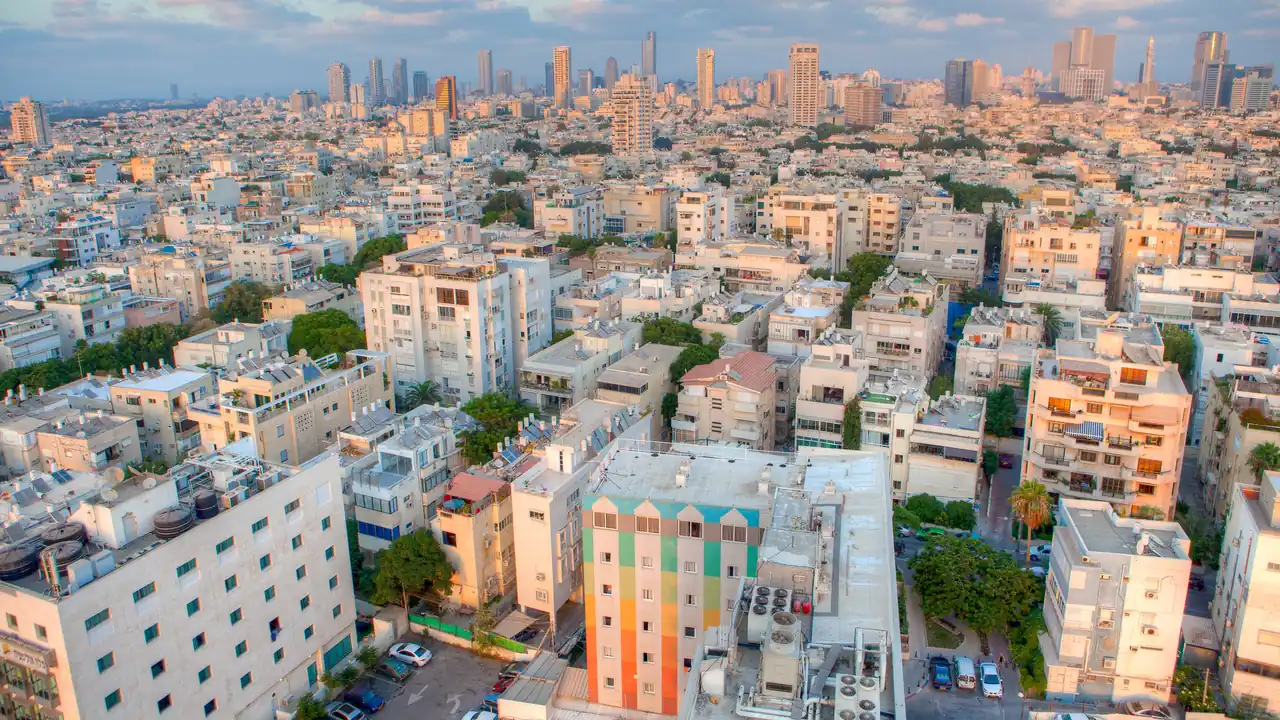
A comprehensive analysis of municipal property tax rates across 20 cities reveals a striking annual gap of up to 3,600 shekels for an identical 100-square-meter apartment. Data compiled from municipal property tax orders for 2026 shows that a standard apartment of this size in Ramat Gan incurs an annual municipal tax of approximately 8,335 shekels under Zone B rates. In contrast, the same property in Kfar Saba costs about 4,740 shekels, and in Ashdod roughly 4,900 shekels, creating a monthly difference of nearly 300 shekels.
The comparative index assumes a standard condominium apartment in the most common residential zone, tracking annual bills, bimonthly payments, city rankings, and projected increases following the upcoming January adjustment. Jerusalem and Ashkelon were excluded from the dataset because their formal 2026 property tax orders were unavailable through official channels. The figures underscore diverse municipal pricing structures, where dense commercial areas heavily subsidize residential services.
Structural Disparities and Measurement Methods
Surprising anomalies emerge when comparing different municipalities, such as Holon outpacing Tel Aviv in residential taxation. In Holon, a 100-square-meter apartment in Zone A is billed approximately 8,200 shekels annually, exceeding Tel Aviv, where a comparable unit in Zone 2 within a 1970s or 1980s building pays around 7,300 shekels. This disparity stems from tariff design: Holon levies 108 shekels per square meter for any area exceeding 90 square meters, whereas Tel Aviv maintains a flat rate up to 140 square meters. Within Tel Aviv itself, pricing spans widely from roughly 4,700 shekels in inexpensive districts to over 11,000 shekels for modern developments in premium zones.
Such threshold structures trigger sharp financial jumps within individual cities. In Kfar Saba, a 100-square-meter apartment is billed 4,740 shekels annually, whereas a 101-square-meter unit jumps to approximately 6,240 shekels because the higher tariff applies retroactively to the entire footprint rather than just the additional meter. Similar brackets exist in Tel Aviv at 140 square meters, Ramat Gan at 130 square meters, and Petah Tikva. Furthermore, measurement methodologies vary significantly: Tel Aviv, Ramat Gan, and Holon calculate net living areas excluding walls, while Ashdod, Beersheba, and Rishon LeZion measure gross exterior dimensions, which can inflate recorded areas by 10% to 20%.
Commercial Subsidies and Statutory Discounts
Residential properties represent the least expensive segment of municipal tax orders, with commercial spaces, offices, and industrial plants bearing a much heavier burden. In Haifa, municipal orders charge bank branches more than 1,300 shekels per square meter annually. Cities featuring robust commercial districts leverage this business revenue to maintain relatively low residential rates, whereas municipalities dominated by housing developments rely more heavily on resident contributions. Meanwhile, annual rate adjustments follow a national formula combining inflation and public sector wage indices. Deviations require approval from the interior and finance ministries, with extraordinary hikes for 2026 greenlit in Rishon LeZion at 3.5% to fund the metro project, Ra'anana at 2.4%, and Herzliya at 1.15%.
Eligible populations benefit from mandatory and discretionary discounts, subject to specific criteria. Senior citizens fulfilling income thresholds under the national average receive a mandatory 30% reduction on the first 100 square meters, saving Ramat Gan residents roughly 2,500 shekels annually on a standard apartment. Additional reliefs apply to elderly allowance recipients, income supplement beneficiaries, single parents, and individuals with disabilities, who can secure up to an 80% discount based on functional incapacity ratings. Students must apply via income tests for reductions reaching up to 90%. Looking ahead to January, all municipal rates will incorporate an automatic baseline increase of 3.05%, nearly double the previous year's 1.6% adjustment, adding approximately 220 shekels a year to a 100-square-meter apartment in Tel Aviv before accounting for local extraordinary hikes.