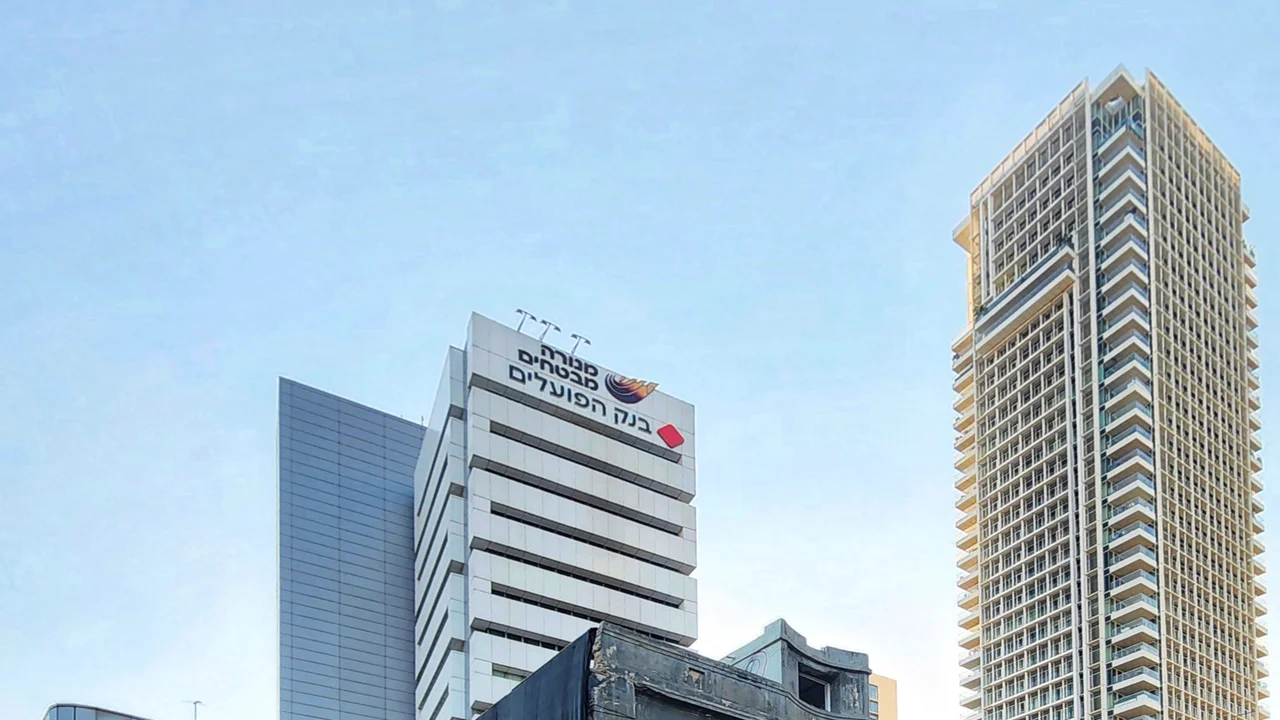
Mizrahi-Tefahot Predicts Central Israel Housing Price Rebound by Mid-2027
Mizrahi-Tefahot Bank expects central Israel housing prices to rise by mid-2027. Officials also discussed single-stairwell building regulations and urban renewal hurdles at the Eilat conference.
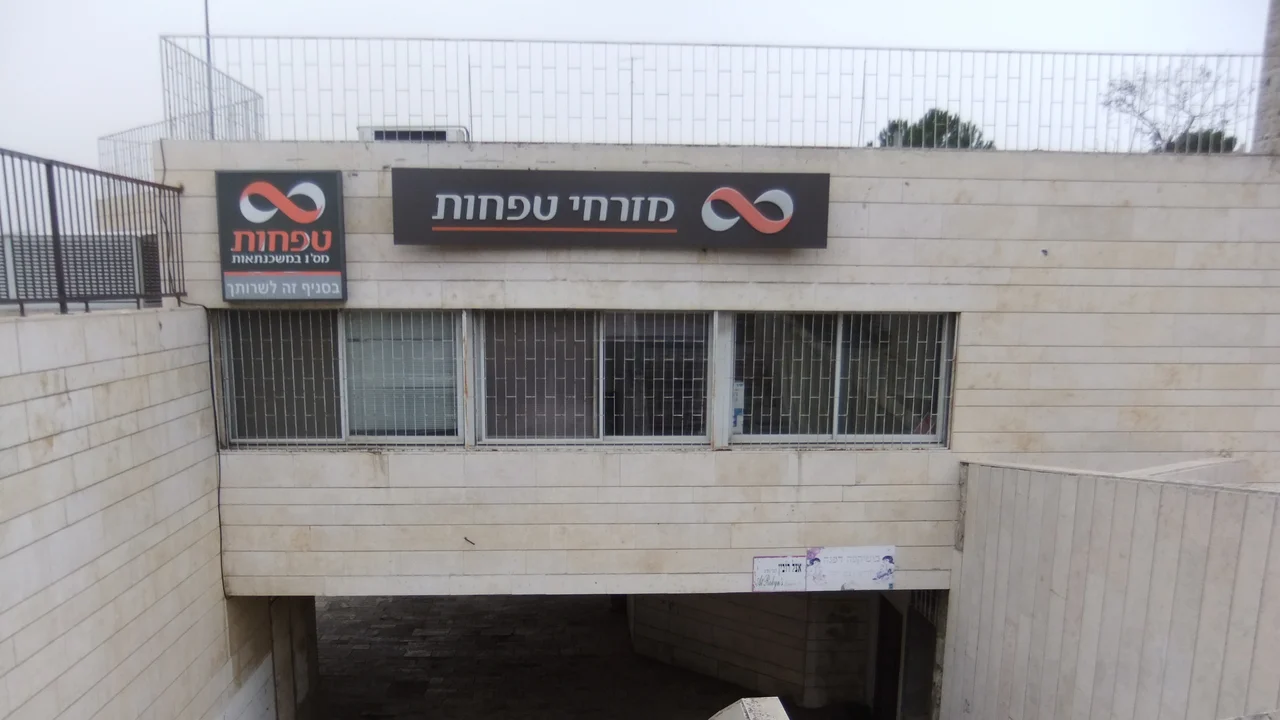
Housing prices in the central region of Israel are projected to resume an upward trajectory by mid-2027, according to Avi Badalov, head of the mortgage division at Mizrahi-Tefahot Bank. Speaking at the Land Appraisers Association conference in Eilat, Badalov noted that while Tel Aviv and the central districts currently experience a sales slowdown and rising inventory, peripheral areas and Jerusalem maintain balanced markets with solid sales activity.
Market Dynamics and Foreign Demand
Badalov pointed to a contraction in housing starts as developers actively manage inventory levels to restore market equilibrium. Monetary policy is expected to provide further support, as potential interest rate cuts would alleviate financing burdens for developers and draw sidelined buyers back into the market.
"We anticipate that by mid-2027, and possibly even sooner, prices will resume their upward climb in the central region as well," Badalov stated.
Addressing concerns over purchase cancellations, Badalov emphasized that contract terminations remain minimal among major developers, contrasting government reports with actual enterprise data. Furthermore, rising antisemitism in Western Europe and North America has fueled foreign buyer interest, with entire communities acquiring multiple residential units simultaneously—a trend the bank is actively preparing to accommodate.
Planning Regulations and Urban Renewal Challenges
Meanwhile, Adv. Beni Arbiv, chairman of the National Planning and Building Board, announced that regulations permitting single stairwells in buildings up to 42 meters high will soon be published for public review, despite fierce opposition from the Fire and Rescue Authority. Arbiv maintained that these regulations can advance even under a caretaker government following completion of a regulatory impact assessment.
On the subject of urban renewal, Arbiv highlighted severe economic viability hurdles:
- Ministry of Finance data indicates that roughly 80% of approved urban renewal plans lack financial feasibility.
- Approving projects with narrow profit margins is unsustainable.
- Resolving the crisis requires primary legislation to increase building rights, despite existing density limits.
Arbiv also addressed betterment levies, estimating that recommendations regarding conditional rights will advance under the incoming administration, though a full cancellation of the Third Addition remains unlikely.
Adv. Eyal Mamo, partner and head of the planning, zoning, and real estate department at Agmon with Tiran, described the betterment levy system as chaotic due to conflicting rulings and shifting valuation guidelines. Mamo advocated for streamlined mechanisms, including unlimited approved assessments subject to professional appeals committee oversight to accelerate bureaucratic timelines.