Retail Survey Reveals 1,000 NIS Gap Between Cheapest and Priciest Grocery Baskets
A comprehensive retail survey reveals that a standard grocery basket across eight Israeli chains shifted by just 0.32% in a week, despite heavy promotional campaigns, with a near 1,000 NIS gap separating the cheapest and most expensive retailers.
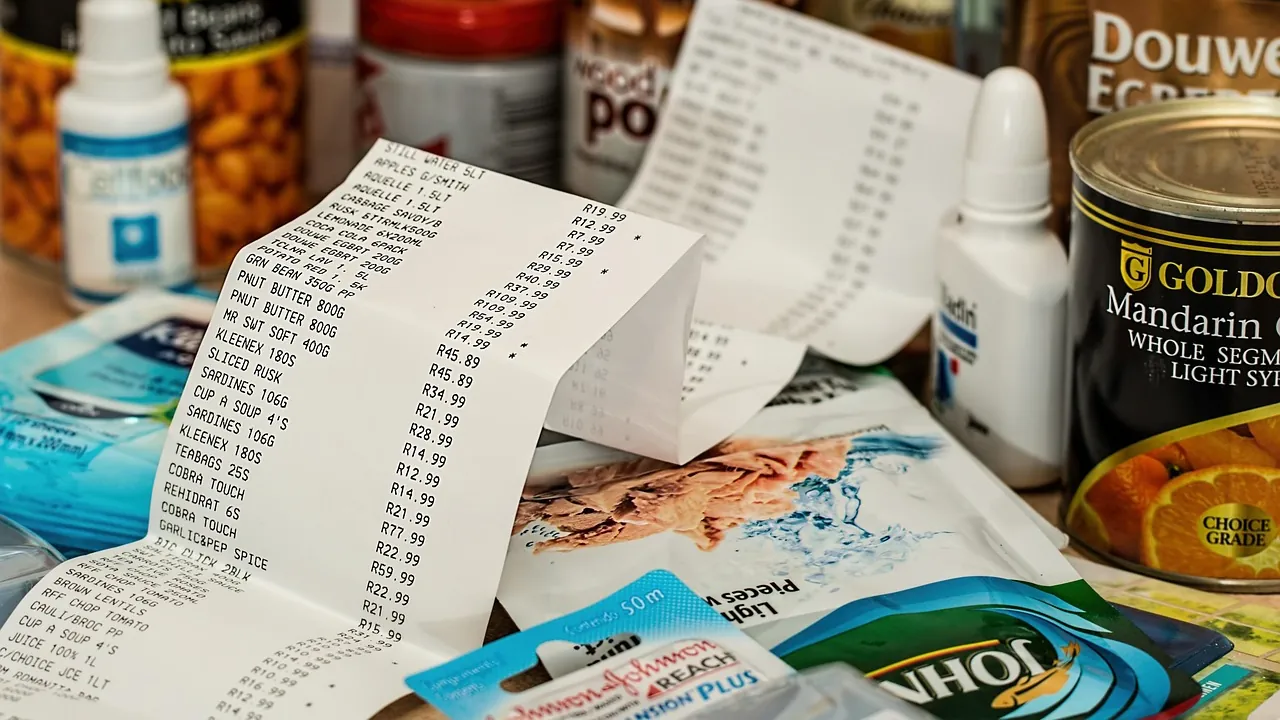
A comprehensive survey conducted by the Retail Research Institute across eight major food chains reveals that a standard shopping basket of 243 identical products shifted by a mere 0.32% over a single week in November 2026. Out of 1,944 price points examined using data from the Prices platform, 91% remained entirely unchanged, while exactly 85 prices increased and 85 decreased. Despite widespread promotional campaigns and bold yellow discount signs designed to create a sense of urgency, the broader food retail market experienced little structural price movement.
Price Disparities and Leading Chains
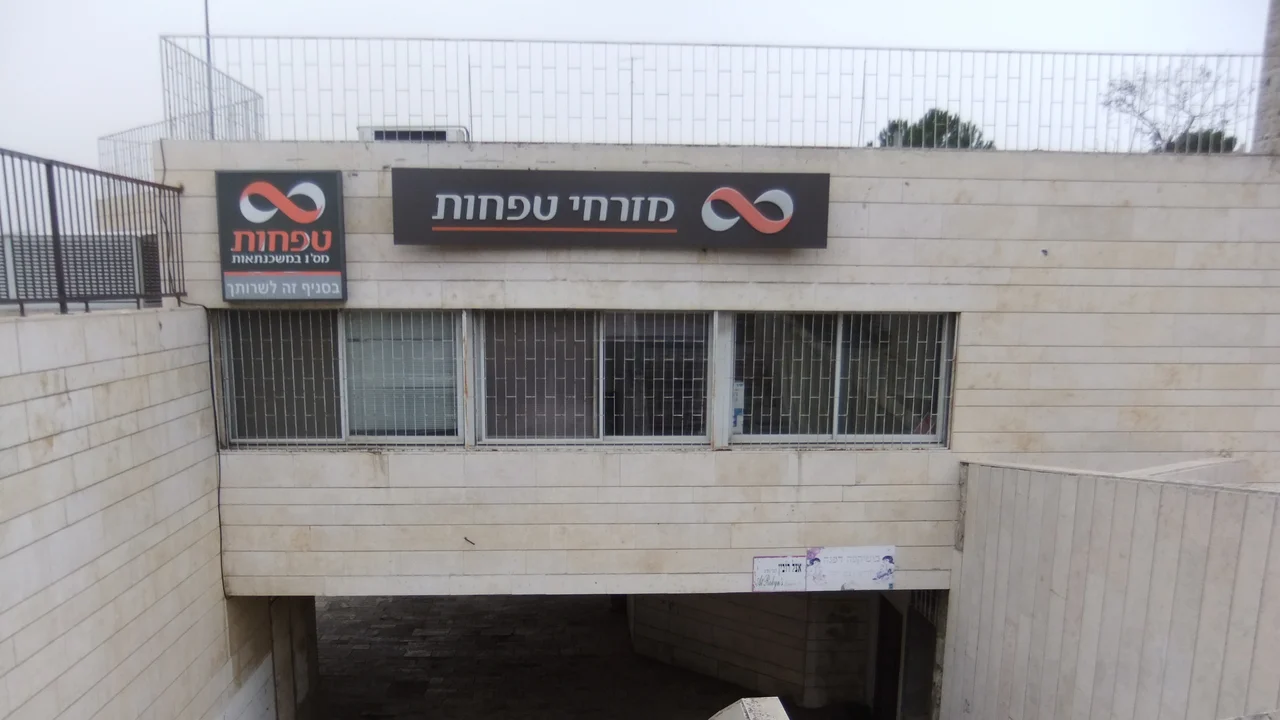
Rami Levy maintained its position as the most affordable grocery chain in the survey, registering a total basket cost of 3,127.49 NIS, marking a negligible increase of two agorot from the previous week. Competition immediately behind the leader remains fierce, with Osher Ad recording a basket total of 3,151.83 NIS. Meanwhile, Neto Hisachon aggressively slashed nearly 50 NIS off its basket within a week to reach 3,157.17 NIS, leaving less than six shekels separating the second and third positions, with the top three chains within a 1% price range.
At the opposite end of the pricing spectrum, consumers purchasing the exact same basket at Tiv Taam incurred a total of 957.57 NIS more than at Rami Levy, representing a significant price gap of 30.6%. Tiv Taam and Carrefour Hyper were the only two surveyed retail chains to register overall price increases during the monitoring period. While factors such as store location, operating hours, and product variety influence consumer preference, the monetary discrepancy across identical shopping lists remains stark.
Shufersal Shifts Strategy
Shufersal Deal demonstrated notable movement by lowering prices on 18 items while raising only six, resulting in a 1% reduction of its basket total by approximately 37 shekels. Crucially, several reductions reflected permanent shelf-price adjustments rather than fleeting promotional discounts. For example, 500-gram Telma mayonnaise dropped from 11.90 to 10.90 NIS, and 850-gram Telma cornflakes decreased from 20.90 to 19.90 NIS, matching price points recorded at Rami Levy. Similarly, Osem soup mandlat and Pronti tomato products saw shelf-price decreases, though they remained relatively expensive compared to discount leaders.
Despite these adjustments, the same basket at Shufersal Deal remained roughly 508 NIS more expensive than Rami Levy and 478 NIS higher than Neto Hisachon. Incremental price cuts on a handful of items proved insufficient to alter immediate standings in the retail hierarchy, underscoring that shoppers ultimately reward final checkout totals rather than promotional intentions.
Promotional Appearance Versus Reality
The survey highlights a profound disconnect between visual promotional displays and their actual impact on overall consumer spending. Across all eight monitored chains, combined basket totals dropped by a modest 89 NIS, moving from 27,364 to 27,275 NIS. Furthermore, 72 of the 243 tracked products featured no promotions in any chain, and only 14 items appeared on discount across all eight retailers. Victory displayed 132 promotional items with a 14% gap between shelf prices and final checkout rates, yet finished fifth in overall basket affordability due to underlying baseline pricing.
"The consumer remembers the tomato priced at one shekel, not necessarily the other 242 prices inside the shopping cart," retail analysts noted, illustrating how prominent discounts successfully draw foot traffic while dozens of supplementary items are purchased without comparison.
Individual item discrepancies further emphasized the volatility across retail networks. A 800-milliliter container of Finish dishwasher rinse aid cost 8.50 NIS at Osher Ad compared to 22.90 NIS at Tiv Taam. Across the entire dataset, 91 products exhibited price gaps exceeding 50% between the cheapest and most expensive retailers, while 23 items more than doubled in price.
Category Fluctuations and Strategic Branch Pricing
Produce prices demonstrated extreme local competition, displaying an average price gap of 61% compared to 34% for packaged goods. Retailers frequently leverage fresh vegetables as loss leaders to attract shoppers into stores. For instance, Victory offered tomatoes, white cabbage, and bagged carrots at one shekel per kilogram, whereas Yochananof priced tomatoes at 8.90 NIS during the same period. Similarly, Zoglowek vegan schnitzel ranged from 13.30 to 13.90 NIS at Rami Levy, Osher Ad, Yochananof, and Neto Hisachon, while commanding substantially higher rates at Carrefour Hyper and Tiv Taam.
Category-wide trends showed that plant-based alternatives decreased by 10.4%, hummus and tahini salads fell by 6.8%, and olive oil dropped by 6.2%. Conversely, soup croutons rose by 5.8%, sauces and spreads increased by 5%, and instant soups grew by 4.7%. These opposing shifts neutralized each other within the broader market context. Ultimately, consumers are advised to evaluate complete household basket expenses, unit pricing, and checkout totals rather than relying on isolated promotional banners.