Israel Eases Raffle Rules for Small Businesses and Charities Starting 2027
The Israeli Ministry of Finance has issued a new directive easing raffle regulations starting January 2027. Small businesses and eligible charities will benefit from streamlined rules, reduced supervision requirements, and higher operational flexibility.
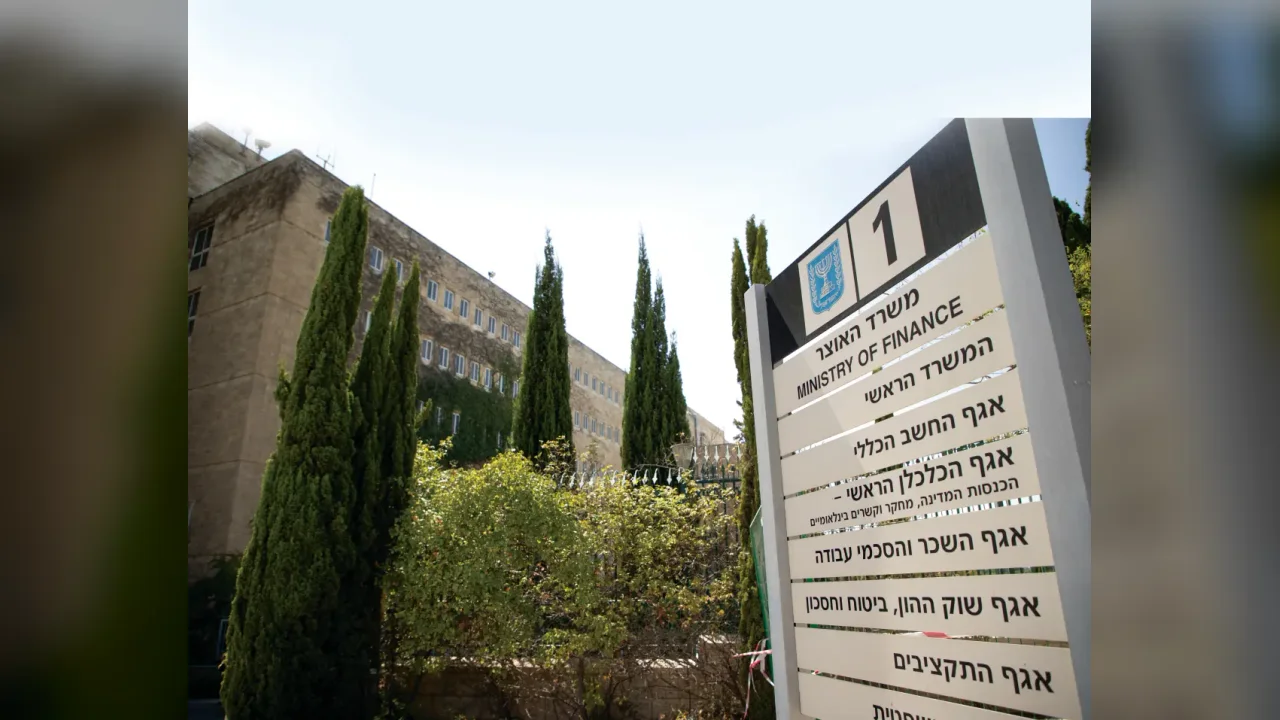
Starting January 2027, small businesses in Israel will be permitted to hold small-scale promotional raffles without appointing an external supervisor, under a new directive issued by the Ministry of Finance. The reform also allows eligible non-profit organizations to raise donations through raffles without requiring individual permits for each campaign.
Under current regulations, even minor promotional giveaways, such as raffling an iPhone 17 among social media followers, are strictly prohibited and can carry penalties of up to three years in prison if they fail to meet complex requirements established in a 2010 directive. These previous rules mandated appointing a lawyer or accountant as a supervisor, publishing formal regulations, and submitting reports to the Ministry of Finance, while charities were entirely excluded and required special individual approval.
The new directive, signed earlier this month by Ministry of Finance Director-General Israel Malachi, broadens the general track to include fundraising raffles. Charities that meet specific criteria will be permitted to sell raffle tickets to support their operations without obtaining a separate permit for each drive, though they must still appoint a supervisor and report on the event. Eligibility is restricted to non-profits with proper governance certification, and at least half of their income must derive from non-governmental sources. Furthermore, the compensation of the highest-paid employee in the participating charity cannot exceed the salary of a government ministry director-general, and educational entities—including higher education institutions, schools, and pre-military academies—are excluded from the track.
Participating non-profits are limited to a single raffle campaign per fiscal year lasting no more than 120 days. Individual prizes are capped at 150,000 shekels, while the total value of all prizes cannot exceed 500,000 shekels, with an allowance to reach up to 1 percent of the organization's annual turnover. For small businesses, the Ministry of Finance has introduced a broad exemption from standard track requirements. Businesses that do not belong to a retail chain, have an annual turnover not exceeding 10 million shekels, and offer total prizes valued at no more than 10,000 shekels will be allowed to conduct up to two raffles per fiscal year without appointing a supervisor or filing bureaucratic reports.
This small business exemption is subject to strict conditions, including a ban on minor participation and targeted advertising toward children. Businesses cannot charge a separate fee for raffle entry, though participation can be conditioned on purchasing a company product or service, provided prices are not artificially inflated for the promotion. Meanwhile, the general commercial track introduces tighter prize caps—limiting individual prizes to 200,000 shekels and total campaign prizes to 2 million shekels—while banning cash, alcohol, and tobacco as prizes.