Bank of America Favors Tech Bonds Over Stocks Amid AI Sector Volatility
Bank of America recommends tech bonds over stocks following a $2.3 trillion Nasdaq sell-off, citing steep AI valuations and looming data center infrastructure delays.
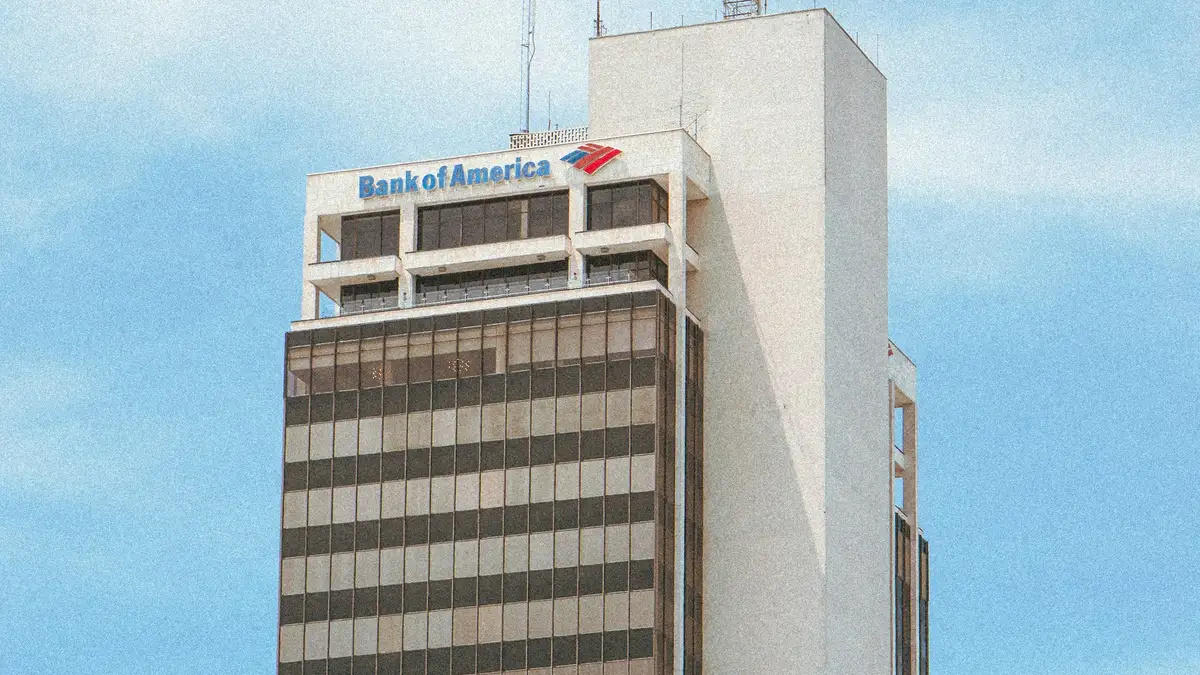
Following a volatile week on Wall Street marked by steep declines in artificial intelligence and semiconductor stocks, Bank of America has adopted a cautious stance, favoring technology company bonds over their equities.
Michael Hartnett, chief investment strategist at the bank, outlined the shift, noting that while tech giants remain fundamentally strong, sky-high valuations leave little room for disappointment if earnings fail to meet soaring expectations.
According to reports from financial publications, recent market sell-offs erased approximately $2.3 trillion from the market capitalization of Nasdaq 100 companies. Nvidia and Advanced Micro Devices (AMD) were among the hardest hit amid growing investor anxiety over the massive capital expenditure required for AI infrastructure and whether future revenues will justify these costs.
Why Tech Bonds Over Equities?
The rationale behind favoring fixed-income assets is straightforward. While stock prices depend heavily on speculative growth expectations, bonds offer predictable coupon payments established at issuance. Furthermore, in the event of financial distress, debt holders maintain priority over equity shareholders.
While corporate bonds carry distinct risks—such as falling prices when broader market yields rise—Bank of America argues that during a period of intense valuation scrutiny, the risk-reward ratio leans favorably toward corporate debt.
Infrastructure Hurdles for AI Giants
Compounding these market concerns are physical bottlenecks facing data center expansion. Texas alone accounts for roughly 30% of planned U.S. data center capacity scheduled for construction through 2028. However, mounting public pushback over soaring electricity rates and intense water resource consumption threatens widespread delays.
For major hardware providers like Nvidia and Advanced Micro Devices (AMD), these infrastructure delays pose a tangible threat. Even if computational demand remains robust, permitting holdups and grid limitations could postpone critical chip orders and hardware deployments.
Bank of America has raised skepticism regarding global projections estimating $2.1 trillion in data center investments by 2028. Any deceleration in construction velocity could force capital expenditure revisions across the broader technology sector.
Conditions for a Market Recovery
Despite the near-term headwinds, Bank of America does not rule out an eventual rebound in technology equities. Hartnett highlighted several macroeconomic catalysts required to revive risk appetite, including a stabilization of central bank interest rates, the 10-year U.S. Treasury yield dropping below 4.5%, and crude oil prices retreating under $80 per barrel.
Such a combination would significantly lower financing costs for massive digital infrastructure projects and support equity valuations, provided that lower borrowing costs do not stem from a severe economic downturn.