Comparing Minerals in Bottled, Tap, and Filtered Water Across Israel
An analysis of mineral water, tap water, and filtered systems reveals varying levels of calcium and magnesium, potential microplastic concerns, and common nutritional labeling confusions.
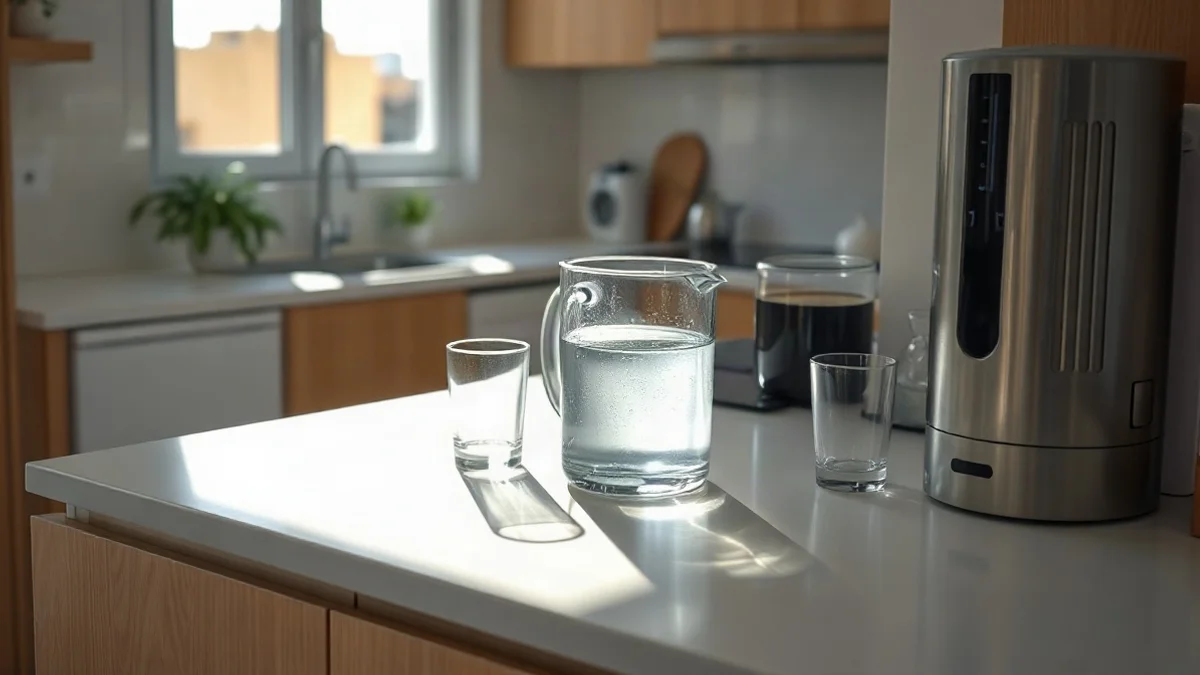
Water is far more than just a refreshing beverage; it serves as a source of essential minerals such as calcium, magnesium, sodium, and small quantities of potassium. However, the exact concentration of these nutritional elements varies significantly across different brands and sources, impacting daily dietary intake.
Mineral Content in Popular Mineral Waters
According to data published by leading manufacturers, mineral levels differ noticeably between popular bottled water brands:
- Neviot: Contains 23 milligrams of magnesium and 58 milligrams of calcium per liter.
- Eden Water: Contains 18 milligrams of magnesium and 26 milligrams of calcium per liter.
Consuming two liters of Neviot provides approximately 116 milligrams of calcium, accounting for nearly 10% of the recommended daily intake for adults aged 51 to 70, whereas the same volume of Eden Water provides 52 milligrams, or about 4.3% of the daily recommendation. Regarding magnesium, drinking two liters from either brand yields roughly 36 to 46 milligrams, contributing about 11% to 14% of recommended daily values. The vast majority of magnesium—around 90%—must still be obtained through solid food.
Impact of Boiling and Filtration
Heating water for tea or coffee does not destroy minerals, but it can alter their final concentration in the cup. Under certain thermal conditions, calcium and—to some extent—magnesium can precipitate out as limescale, remaining trapped inside kettles or heating appliances. Conversely, sodium and potassium generally remain dissolved and do not form scale. Similar principles apply when using domestic water filtration systems such as Strauss Group's Tami 4 units. Standard filtration mechanisms, including the MAZE filter in Edge models, are designed to preserve the existing calcium and magnesium present in incoming tap water.
Labeling Confusion and Online Data Discrepancies
Nutritional tracking can easily become confused due to differing measurement units. While bottled water labels list mineral content per liter (1,000 milliliters), online grocery platforms such as Shufersal often report nutritional values per 100 grams or 100 milliliters. Misinterpreting these figures as applying to 100-milliliter portions would falsely suggest that water is a primary source of daily mineral requirements, inflating the actual mineral contribution tenfold.
Tap Water, Desalination, and Plastic Containers
Tap water composition varies widely across regions due to differing municipal water sources. In Israel, a large portion of tap water, particularly in the central and southern regions, originates from seawater desalination. Desalination removes virtually all natural minerals; while calcium is subsequently reintroduced during treatment, magnesium is frequently omitted, meaning tap water in certain districts may contain lower magnesium levels than bottled alternatives.
Furthermore, storing bottled water in plastic containers presents potential health considerations. Most mineral water bottles are manufactured from polyethylene terephthalate (PET). Research indicates that prolonged exposure to heat can accelerate the migration of chemical substances from the plastic into the liquid. A study published in the scientific journal PNAS identified an average of approximately 240,000 detectable microplastic and nanoplastic particles per liter in tested bottled waters. While the exact health implications of these particle concentrations remain under investigation, health experts recommend storing bottled water in cool, shaded environments away from direct sunlight and warm vehicles.