Middle East Oil Flows Surge Past Pre-Conflict Levels Despite Iranian Threats
Despite Iranian threats and numerous attacks in the Strait of Hormuz, Middle Eastern oil exports have surpassed pre-conflict levels, averaging over 24 million barrels daily under US naval protection.
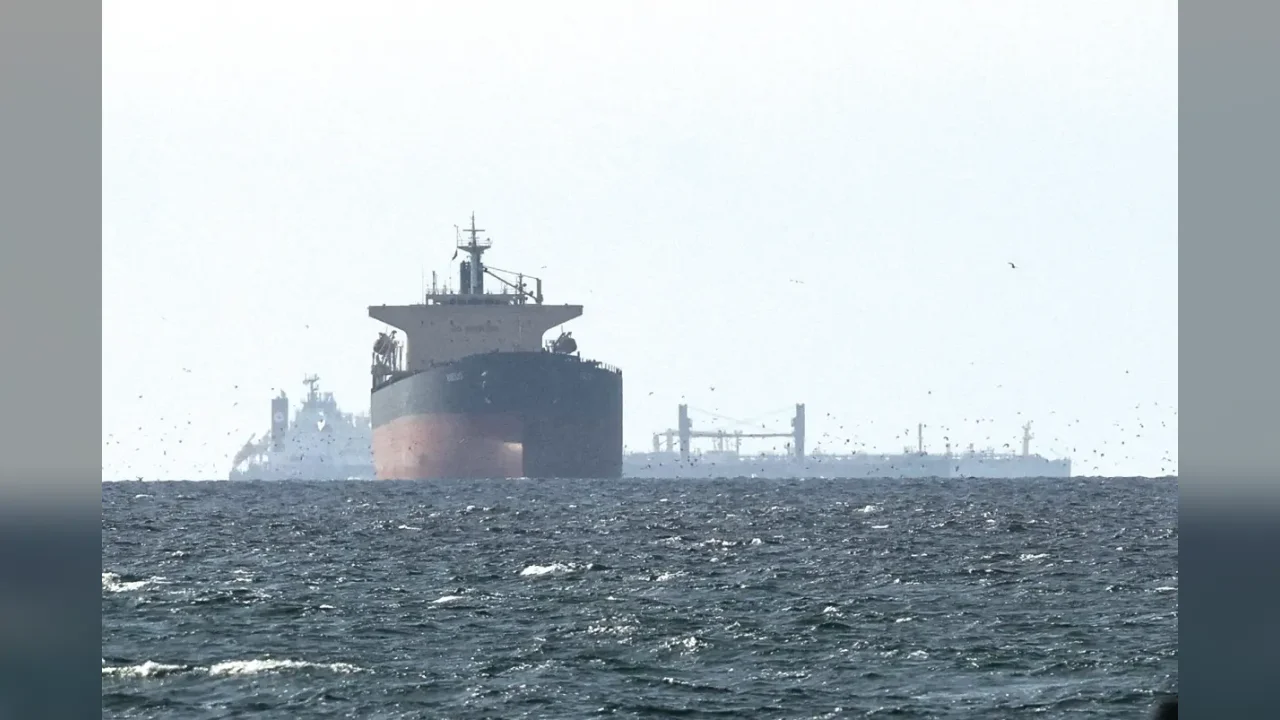
Tehran threatened that no one would leave the Persian Gulf if its oil could not be sold, yet reality on the ground proves entirely otherwise. Middle Eastern oil flows have recently surpassed pre-conflict levels, averaging over 24 million barrels per day compared to 23.3 million barrels on the eve of the conflict.
The US-Backed Maritime Shield
These figures, revealed in a report by The Wall Street Journal, are based on tracking by maritime intelligence firm Kettler and indicate that the improvised maritime system operating under a US protective umbrella is succeeding in defeating Iranian disruption efforts in the Strait of Hormuz.
Despite roughly 30 attacks against vessels recorded this month in the arena—constituting about 20% of all ships attacked since the war began, according to maritime intelligence firm Windward—oil tankers continue to cross the dangerous shipping lanes. This movement is made possible by the willingness of traders and shipowners to take heavy risks for exorbitant profits.
Tactics and Financial Incentives
To cope with Islamic Revolutionary Guard Corps missiles and maritime guerrilla tactics reminiscent of Houthi operations, a targeted operational method was developed: ships make brief forays into the Gulf without identification signals, load oil in Iraq or Gulf states, and depart under US air cover toward the coast of Oman. There, in relatively protected waters, they transfer the cargo to tankers designated for long voyages and immediately return to the danger zone.
Crew members also receive unprecedented hazard bonuses, sometimes reaching 25,000 dollars for a one- or two-week voyage, alongside protective gear and combat vests.
Concurrently, overland oil pipelines in Saudi Arabia and the United Arab Emirates help bypass the strait, and about 40% of non-Iranian oil currently bypasses the vulnerable shipping route.