Mexico Bans Mobile Phones in Schools Under New National Education Policy
Mexico has implemented sweeping nationwide rules banning mobile phones in primary and middle schools to improve student focus. President Claudia Sheinbaum launched the initiative, promoting traditional games and reading during breaks.
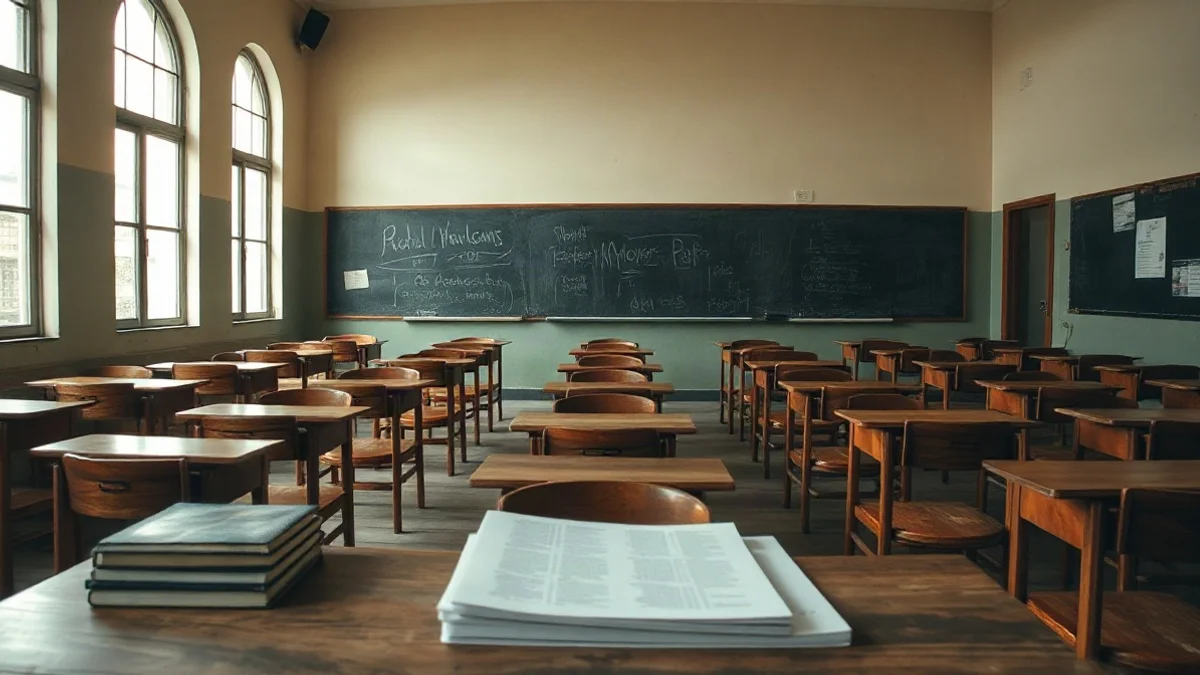
Mexico has introduced sweeping new nationwide regulations banning the use of mobile phones in primary and middle schools across both public and private institutions. The initiative, spearheaded by President Claudia Sheinbaum, aims to combat declining concentration, reduce screen addiction, and restore face-to-face social interaction among students.
President Sheinbaum officially launched the campaign, titled "Turn off your phone, turn on your imagination," during a visit to a secondary school in Mexico City, where she participated in reading sessions with students. Speaking to the press, Sheinbaum emphasized that mobile phones are no longer permitted in classrooms, though certain exceptions remain at the discretion of teachers. She noted a broad consensus among state governors and education ministers regarding the necessity of the policy.
Fostering Traditional Activities and Focus
Education Minister Mario Delgado explained that the new rules are designed to support student concentration and holistic development throughout the school day. Delgado stressed that the goal is not to alienate young people from digital tools, but rather to encourage conscious, context-aware usage. As part of the initiative, the Ministry of Education is promoting a return to traditional playground games such as hopscotch and jump rope during breaks, alongside the distribution of books and the establishment of mini-libraries in schools.
-
Primary and middle schools: Total ban on mobile phone use throughout the entire school day.
-
High schools: Regulations will be determined in coordination with the local school community in each institution.
-
Universities and colleges: Implementation of standards encouraging responsible technology use and critical thinking.
-
Permitted exceptions: Use of devices for guided pedagogical activities, emergency situations, medical needs, and accessibility accommodations.
The new regulations arrive amid growing concern within educational communities worldwide regarding attention deficits, declining social interaction, and mental fatigue in the era of constant connectivity. Recent consultations by Mexico's Ministry of Education revealed that over 81% of teachers support the implementation of clear restrictions on mobile devices.