MKs Resubmit Metropolitan Public Transportation Authority Bill to Knesset
MKs Keren Terner Eyal and Eitan Ginzburg reintroduced a bill to establish metropolitan transit authorities. The reform transfers public transport powers to regional bodies in Tel Aviv, Jerusalem, Haifa, and Beersheba.

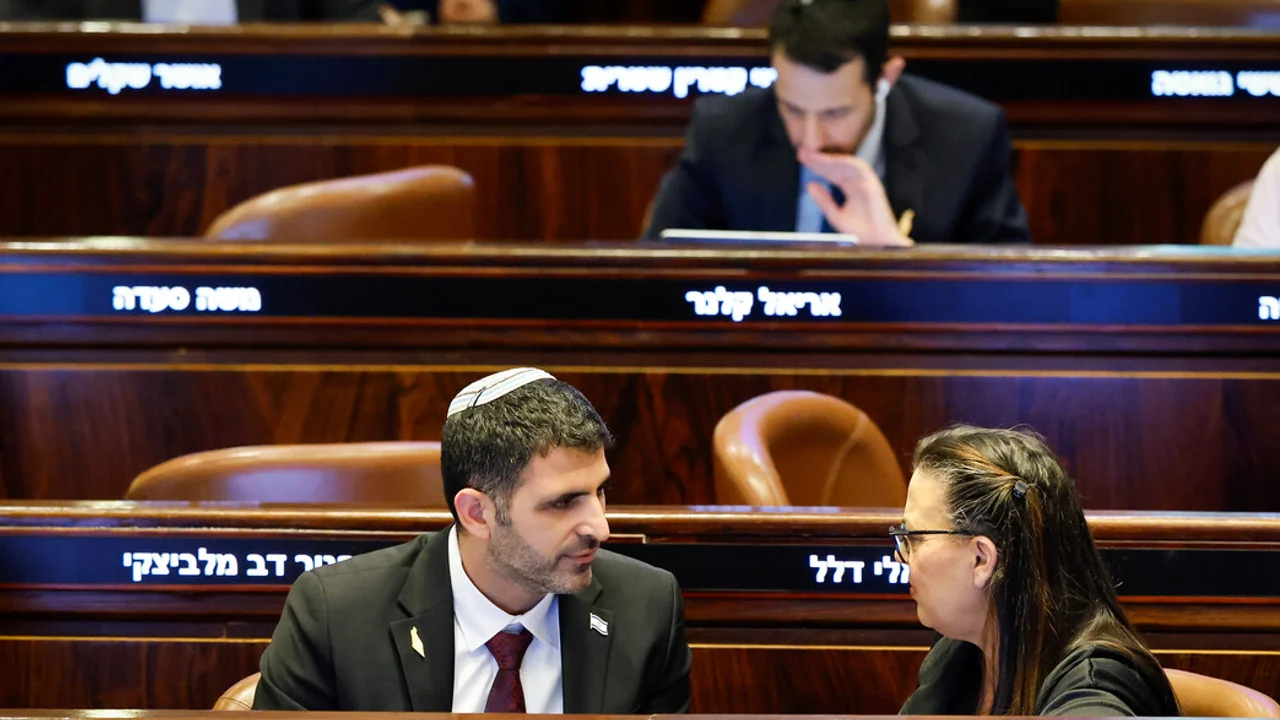
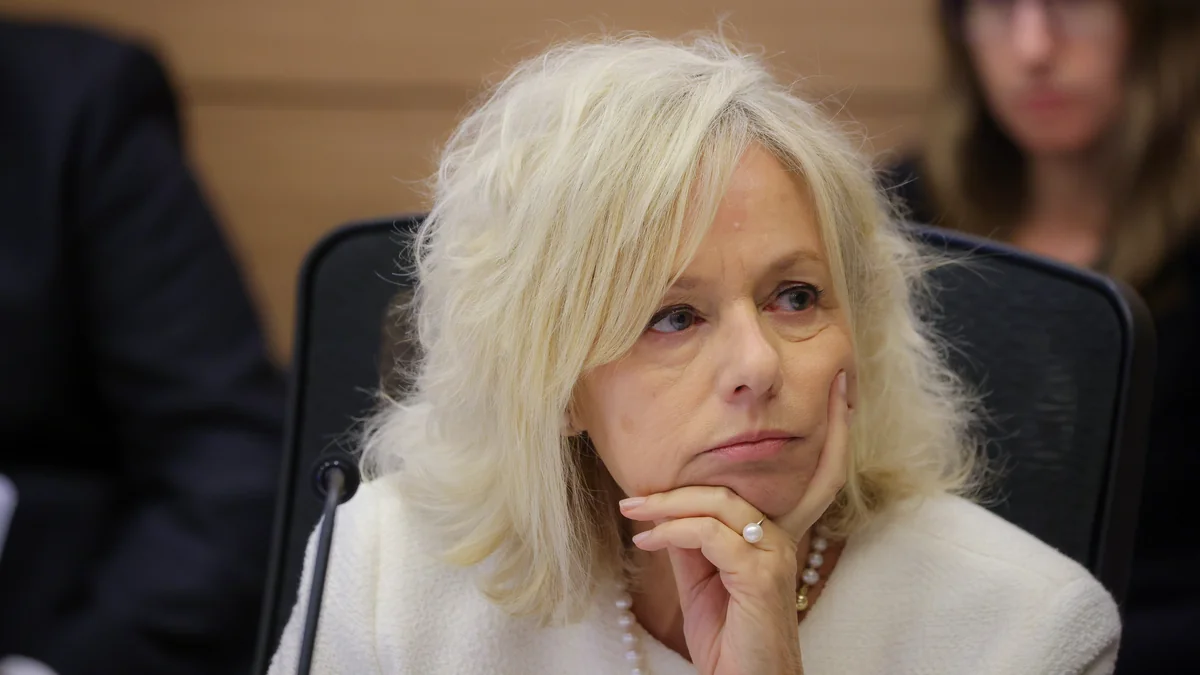
MKs Keren Terner Eyal and Eitan Ginzburg (BeYachad) submitted a private bill to the 26th Knesset proposing the establishment of metropolitan public transportation authorities. This reform cleared the Knesset Economic Affairs Committee for its second and third readings during the previous term, but was blocked by the outgoing coalition before reaching the plenum vote. This is the debut legislative initiative of Keren Terner Eyal, the former Director-General of the Ministry of Transportation, who was recently elected to the Knesset for the first time.
The legislation, originating from a chapter split off from the Arrangements Law, aims to transfer core management authorities over public transport from the Ministry of Transportation—and select municipal authorities—to newly established regional bodies, mirroring models like Transport for London. Initial metropolitan authorities are slated to be established in the Tel Aviv (Gush Dan), Jerusalem, and Haifa metropolitan areas, with a subsequent authority planned for the Beersheba region.
These new authorities will hold extensive powers: planning bus routes and timetables, issuing taxi licenses, designing bicycle lanes, managing traffic light control centers, and enforcing transit lane violations, alongside overarching planning, funding, ticketing, clearing, and signposting authority.
The Gush Dan metropolitan authority will encompass Tel Aviv-Yafo as its anchor city, alongside Bnei Brak, Holon, Ramat Gan, Bat Yam, Herzliya, Givatayim, Ramat Hasharon, and Kiryat Ono. Voting power for Tel Aviv will range between 26% and 32%, with substantive decisions requiring a 60% majority.
The committee-approved draft included a clause explicitly barring the new authorities from operating public transport on Shabbat, serving as a compromise with religious coalition factions. However, ultra-Orthodox critics argued that the broad aggregate of powers—spanning planning, funding, and infrastructure—could effectively pave the way for expanded Shabbat services even without explicit authorization, prompting Netanyahu's government to withhold the bill from a final vote.