Knesset Opposition Advances Bills to Repeal Karhi Broadcasting Reform
The Israeli opposition has submitted two bills to repeal Communications Minister Shlomo Karhi's broadcasting reform. Concurrently, the Knesset approved the organizing committee led by Roey Folkman.
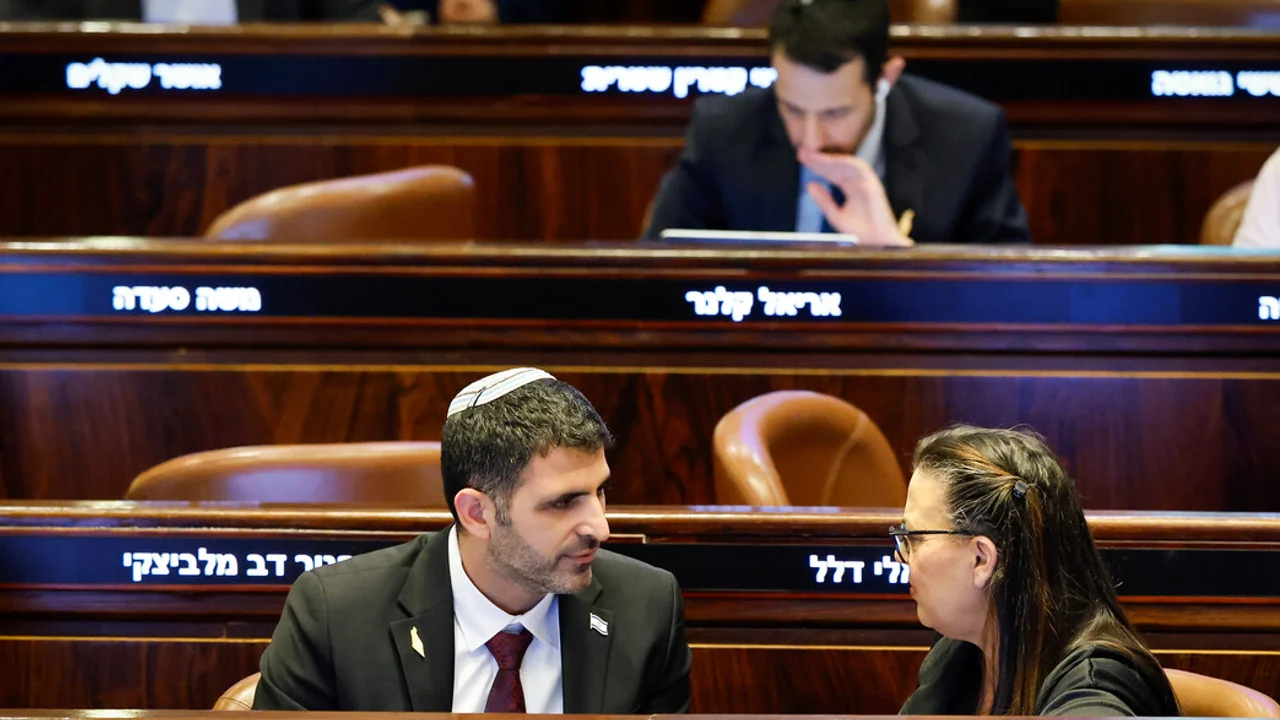
The opposition bloc in the Knesset has submitted two private bills aimed at repealing the controversial broadcasting reform promoted by Communications Minister Shlomo Karhi. The legislation had previously been enacted during the summer but remains frozen under an interim injunction issued by the High Court of Justice.
The proposed repeal bills were initiated by a broad coalition of opposition lawmakers. The first bill was drafted by MKs Eitan Ginzburg, Efrat Rayten Marom, Ahmad Tibi, Waleed Alahuwla, Roey Folkman, and Oded Forer. A parallel bill was introduced by the leadership and members of The Democrats party, including Yair Golan, Naama Lazimi, Gilad Kariv, Efrat Rayten Marom, Yayá Fink, Gabi Lasky, Omri Ronen, and Michal Rozin.
According to the explanatory notes accompanying the legislation, the original broadcasting reform created an institutional vacuum and a piecemeal regulatory framework that failed to guarantee the independence of the media regulator, secure the autonomy of news broadcasts, or protect the public right to reliable information. The opposition is moving to advance these repeals swiftly, alongside initiatives to dismantle legislation linked to the previous judicial overhaul.
Knesset Approves Organizing Committee Composition
In a parallel political development, the Knesset plenum approved the composition of the organizing committee following a vote on a proposal submitted by MK Roey Folkman. The measure passed with 63 votes in support against 50 opposition votes, defeating an alternative proposal put forward by Likud MK Ofir Katz.
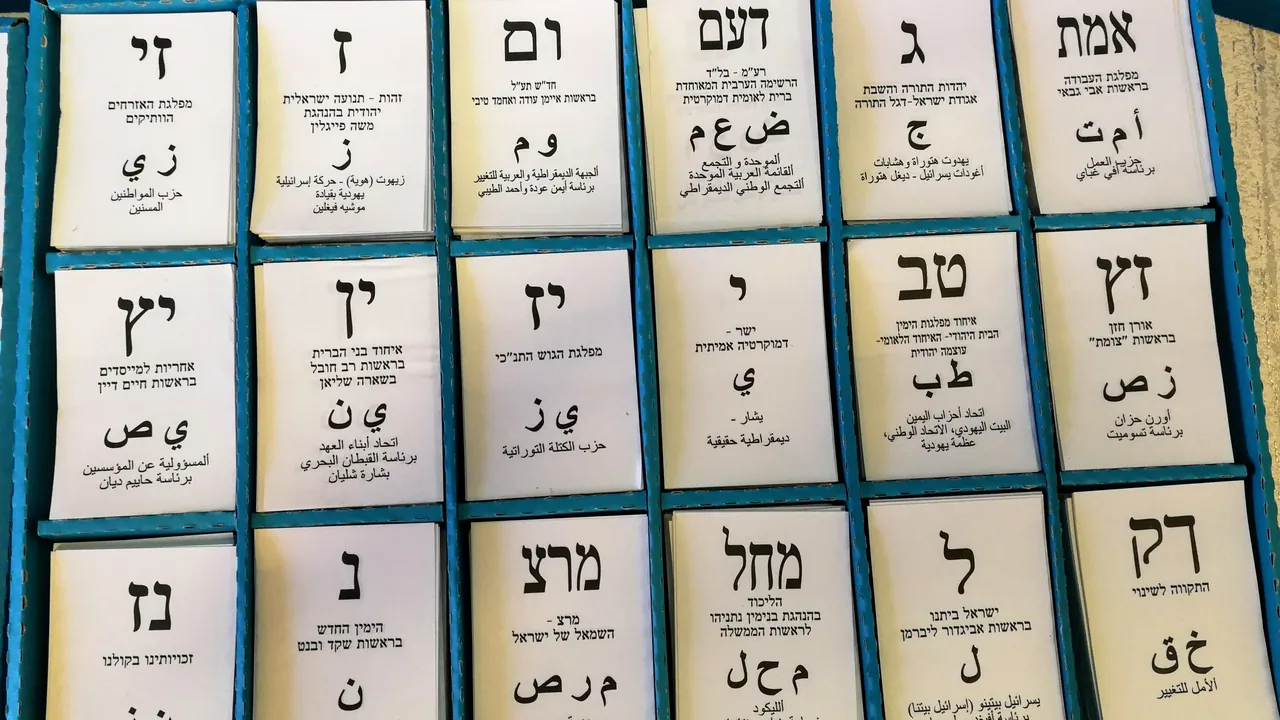
Under Folkman's proposal, the 22-member committee reflects proportional representation based on party size. The Likud holds five seats, Folkman's faction holds four, while other parties including BeYachad, The Democrats, Raam, and the Joint List received multiple seats, with smaller factions securing single representatives.
Defending the procedural vote, Folkman emphasized the importance of pragmatic governance and parliamentary norms. Meanwhile, Katz criticized the opposition, claiming they refused compromise offers and accused them of coordinating with Arab factions in the parliament. The organizing committee will now oversee the formation of permanent Knesset committees and manage preliminary legislative procedures.