Metal Detectorist Uncovers 115 Gold and Silver Rings in Buried Wallet
A metal detectorist searching a historic American Civil War site uncovered a buried wallet containing 115 gold and silver rings, sparking a viral online mystery regarding their origin.
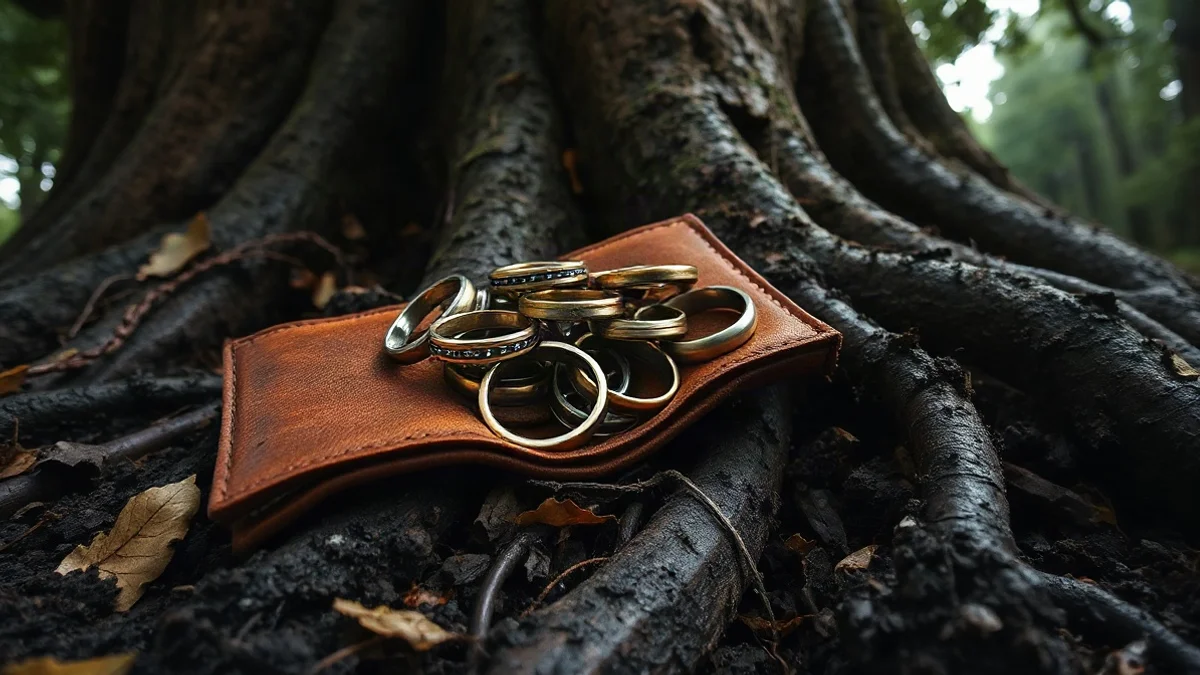
A routine metal-detecting expedition in an area historically linked to the American Civil War unexpectedly uncovered a buried wallet packed with 115 rings made of gold, silver, and precious stones. Veteran metal detectorist Justin Hazuga and his companion were scanning a wooded lot in Indiana and Kentucky where Union troops once camped.
Unearthing a Hidden Fortune
For roughly 25 years, Hazuga has searched historic encampments and forts associated with the American Civil War. The specific site of the discovery, nicknamed Mini Ball Hill by the hobbyists, once featured a home dating back to the 1840s, with a forest behind it where approximately 400 Union soldiers camped near the end of the conflict while awaiting discharge. After securing permission from the property owner to scan the vacant lot and adjacent woods, Hazuga received a strong signal near the base of a large oak tree.
Digging into the soil, he unearthed a heavy pouch that initially felt like it was filled with old coins. The leather item was tightly sealed, forcing Hazuga to use a knife to pry it open. When he finally peered inside, he realized the heavy contents were not coins at all, but rather a large collection of precious jewelry. Hazuga and his friend immediately approached the landowner to share the discovery, but the property owner insisted that the finder keep the cache, accepting only a simple gold ring from the top of the collection as a souvenir.
Mystery Surrounding the Origin
Back at his friend's house, the duo emptied and counted the contents of the pouch, discovering sterling silver bands, 10-karat, 14-karat, and 18-karat gold rings, and several plated pieces, many adorned with gemstones. Hazuga shared the extraordinary find in a social media post that quickly went viral, attracting more than 10,000 likes and 2,700 comments. Observers online pointed out that the pouch featured a plastic zipper, an invention that emerged nearly seven decades after the Civil War ended, indicating the hoard was likely deposited much later than the era of the Union encampment.
Another commenter suggested the items might have been stolen from a local store, hidden in the ground, and ultimately forgotten, though that remains unverified speculation. The discovery earned Hazuga a feature in Silver and Gold magazine, which covers notable precious metal finds. Despite the attention, the true origin and timeline of the buried jewelry remain a complete mystery.
"It is clear that someone tried to hide them, but why? Why did no person ever return to retrieve them?" Hazuga reflected.