7 Home Items Interior Designers Urge You Never to Throw Away
Interior design experts reveal seven essential items you should never throw away during a home cleanout, from vintage rugs and classic furniture to printed photos and art.
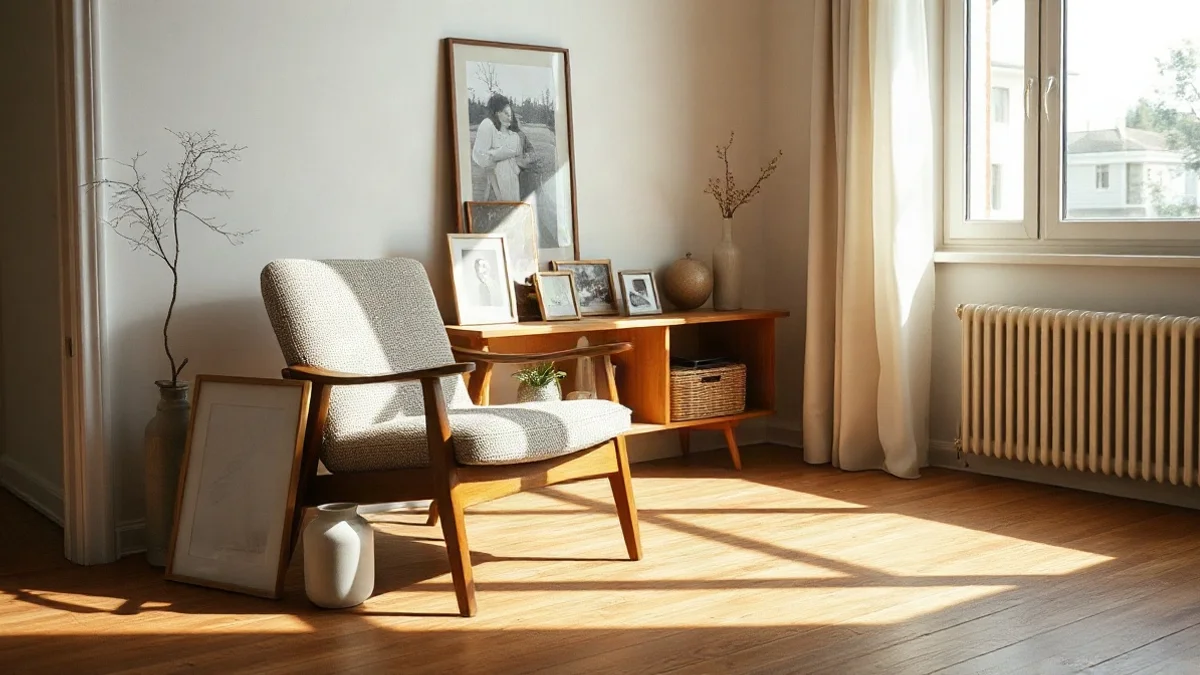
Minimalist home organization trends often encourage us to purge anything that appears outdated, occupies space, or no longer matches our current interior design. However, interior designers suggest hitting the pause button before hauling bags of belongings to the donation bin or the trash.
While some items might temporarily look out of sync with modern aesthetics, they can easily find a second wind or inject irreplaceable character, personal memories, and warmth into living spaces. Experts have compiled a guide detailing seven specific categories of household items that homeowners should never rush to discard.
Cherished Decor and Printed Photos
Decorative objects you adore—whether it is a gifted vase, a sculpture acquired during foreign travels, or an heirloom—do not need to be shown the door simply because they clash with the latest design fad. Instead of trying to force an entire home to match fleeting trends, use these personal items as a starting point to build an intriguing, character-rich space using complementary colors and textures.
In an era where thousands of digital snapshots remain locked away in cloud storage, printed photographs carry unique physical significance. Designers recommend curating a selection of favorite printed pictures rather than relying exclusively on digital files. Framing family portraits, creating a dedicated photo gallery wall, or positioning pictures alongside shelf decor keeps cherished memories accessible and visually engaging.
Classic Furniture and Versatile Benches
Leather sofas, vintage armchairs, upholstered headboards, and wooden dining chairs may momentarily fall out of fashion, but their structural skeleton is often built to last for generations. Before replacing quality furniture with a fresh purchase, consider a professional reupholstery job. Choosing a contemporary neutral fabric, a bold shade, or an interesting texture can completely transform an older piece of furniture while preserving its superior construction.
Similarly, benches and stools rank among the most versatile furnishings in a home. They easily transition from hallway seating to dining table accompaniments, bedroom end-of-bed accents, or functional children's room additions. If a bench lacks an immediate designated spot, it can be updated with a fresh coat of paint, new upholstery, or decorative cushions while awaiting its next functional role.
Vintage Rugs and Limited-Edition Collectibles
An aging rug might initially look worn out, but interior designers advise against parting with vintage floor coverings too quickly. Authentic vintage rugs can be expensive and difficult to replace, and their weathered appearance or uneven tones often provide unmatched charm. Proper rolling and storage can protect them until a future design shift calls for their return.
Limited-edition items, posters, original artwork, and unique design objects represent another category that demands careful evaluation. While not every limited piece will appreciate as an investment, their scarcity makes them difficult to reacquire. Storing them temporarily allows homeowners to reintegrate them when room layouts evolve.
Handcrafted Objects and Thoughtful Curation
Handmade ceramics, artisanal decor, and crafted accessories carry a tangible human value that mass production cannot replicate. Even if these pieces do not instantly match surrounding modern furniture, they can serve as eye-catching focal points or be integrated gradually into different rooms.
Ultimately, selective curation is not about turning a residence into a storage locker or hoarding unnecessary clutter. The objective is to distinguish between genuine clutter and pieces possessing deep personal, aesthetic, or functional utility. Evaluating whether an item can be refurbished, relocated, or stored for the future ensures that homes retain their authentic personality.