Powering Growth: How Mei Ashkelon Transforms Water Infrastructure in the South
Mei Ashkelon CEO Shay Hazut outlines the corporation's massive infrastructure investments, smart water meter rollouts, and security challenges, ensuring reliable water supply and urban development in Ashkelon and Netivot.
Behind every opened tap, shower, and glass of water lies a complex infrastructure of facilities, technologies, and professionals. For most residents, municipal water supply is taken for granted, but behind the scenes, round-the-clock work ensures that water flows, sewage systems function, and essential services operate smoothly. In recent years, particularly since the outbreak of the COVID-19 pandemic and the events of October 7, this mission has grown increasingly challenging.
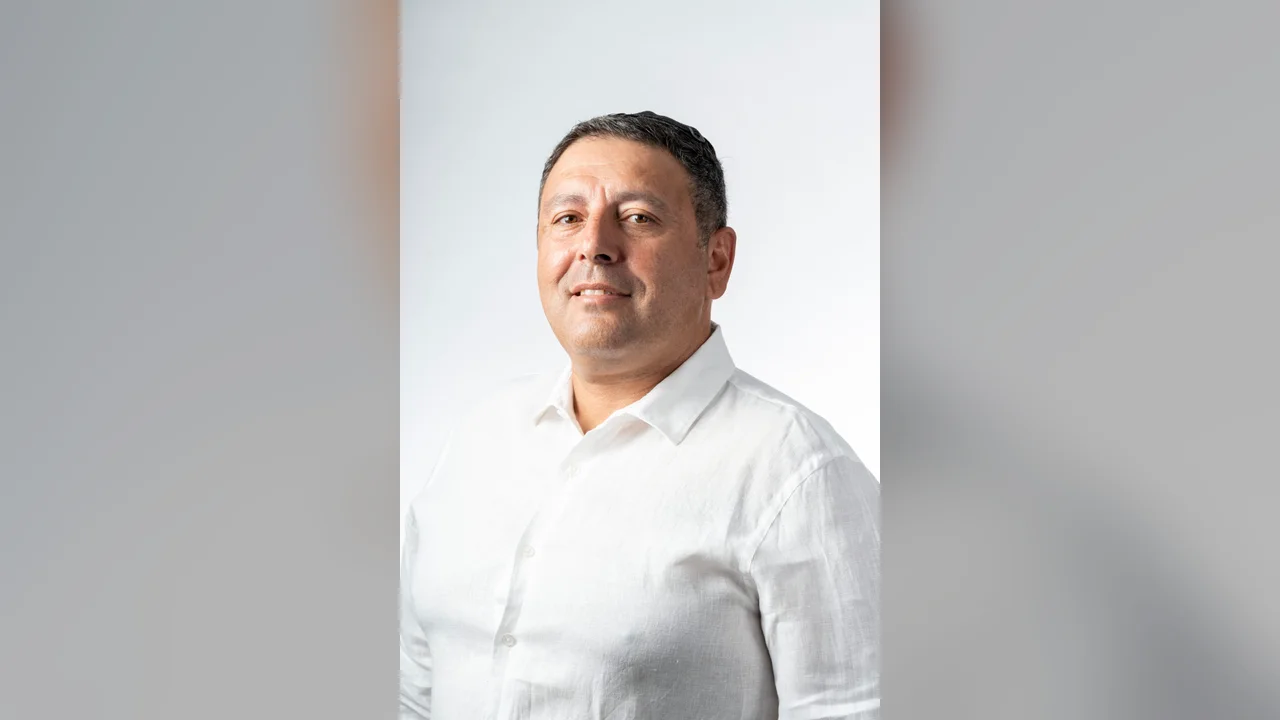
The security reality in southern Israel, alongside accelerated construction and population growth in Ashkelon and Netivot, requires the Mei Ashkelon corporation to tackle a wide array of challenges while constantly investing in infrastructure and customer service. Established in July 2010 by the municipalities of Ashkelon and Netivot, the corporation operates under the leadership of Board Chairman and Ashkelon Mayor Tomer Glam, and CEO Shay Hazut. Beyond its core responsibility for water supply and sewage systems, the corporation has evolved into a central pillar of urban development and future planning for both cities.
Ensuring Continuity Under Fire
The year 2026 continues a uniquely complex period for southern residents. Addressing how the security situation has impacted operations, CEO Shay Hazut notes that the past few years introduced unprecedented challenges. Ever since October 7, residents of Ashkelon, Netivot, and the entire region have faced a severe and ongoing security reality, requiring the corporation to guarantee full functional continuity under complex conditions.
"Water supply and wastewater disposal are essential services that cannot be halted," Hazut emphasizes. "Even during rocket alerts, security restrictions, and disruptions to daily routines, our responsibility is to ensure every resident can open the tap and receive high-quality water. I am especially proud of our corporation employees—from engineers and operators to technicians, service reps, and administrative staff—who worked day and night, sometimes under sirens, to maintain water and sewage systems, handle malfunctions, and advance vital projects."
Hundreds of Millions Invested Underground
The corporation is leading major infrastructure investments, committing hundreds of millions of shekels to upgrade water and sewage networks across Ashkelon and Netivot. A primary initiative includes upgrading Ashkelon's wastewater treatment plant to tertiary treatment standards, enabling higher-quality effluent production for agricultural irrigation. Additional projects involve constructing new pumping stations, emergency water reservoirs, and expanding pipeline grids to support emerging neighborhoods.
Hazut highlights the close cooperation with Ashkelon Mayor and Board Chairman Tomer Glam. "The mayor leads a clear vision stating that alongside investments in new neighborhoods and development booms, we must not neglect older neighborhoods and residents who have struggled with aging infrastructure for years. Our shared commitment is to reach every neighborhood, fundamentally resolve infrastructure issues, and deliver long-term solutions that genuinely improve residents' quality of life."
Meeting the Growth of New Neighborhoods
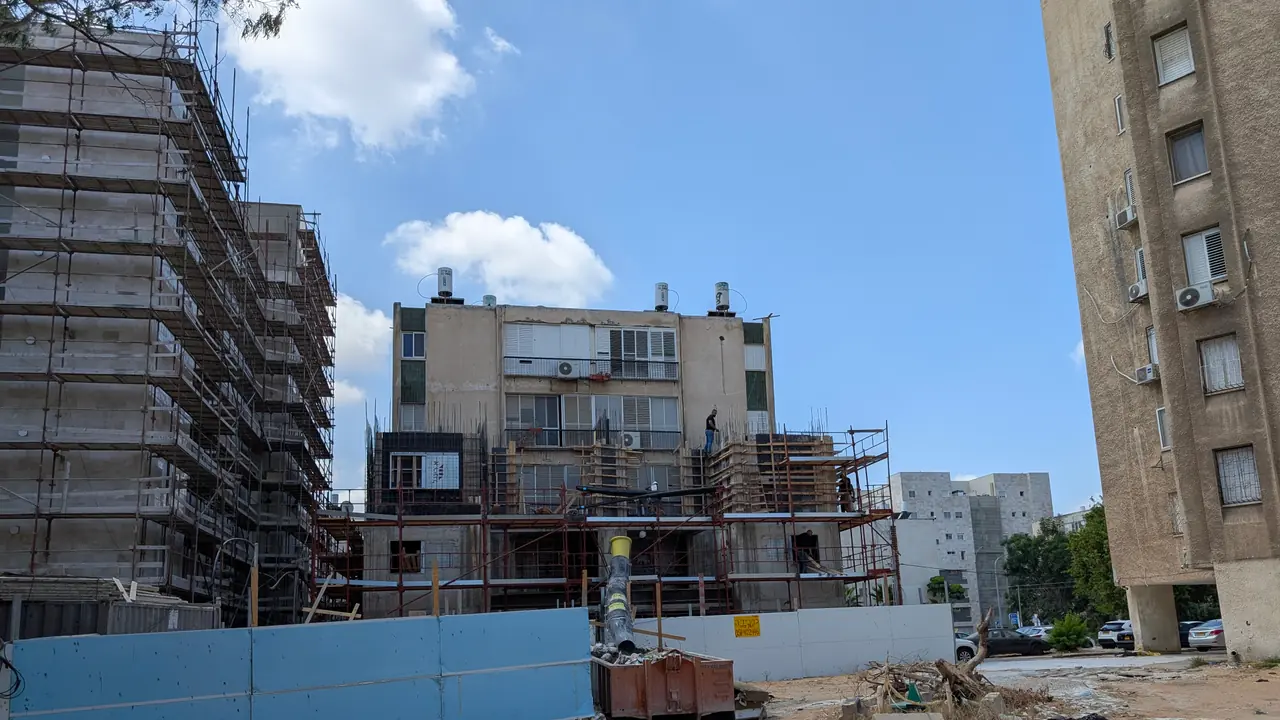
With Ashkelon experiencing significant construction momentum under its roof agreement framework, approximately 17,000 housing units are planned and built across three new neighborhoods. This massive population influx demands comprehensive engineering and infrastructural preparation.
"We have laid new water pipelines, expanded sewage systems, and developed facilities to guarantee a steady, high-quality water supply alongside population growth," Hazut explains. "The goal is for infrastructure to precede residency. We do not want a situation where a new neighborhood is populated before anyone considers how to provide it with necessary services."
Urban Infrastructure and Smart Technology
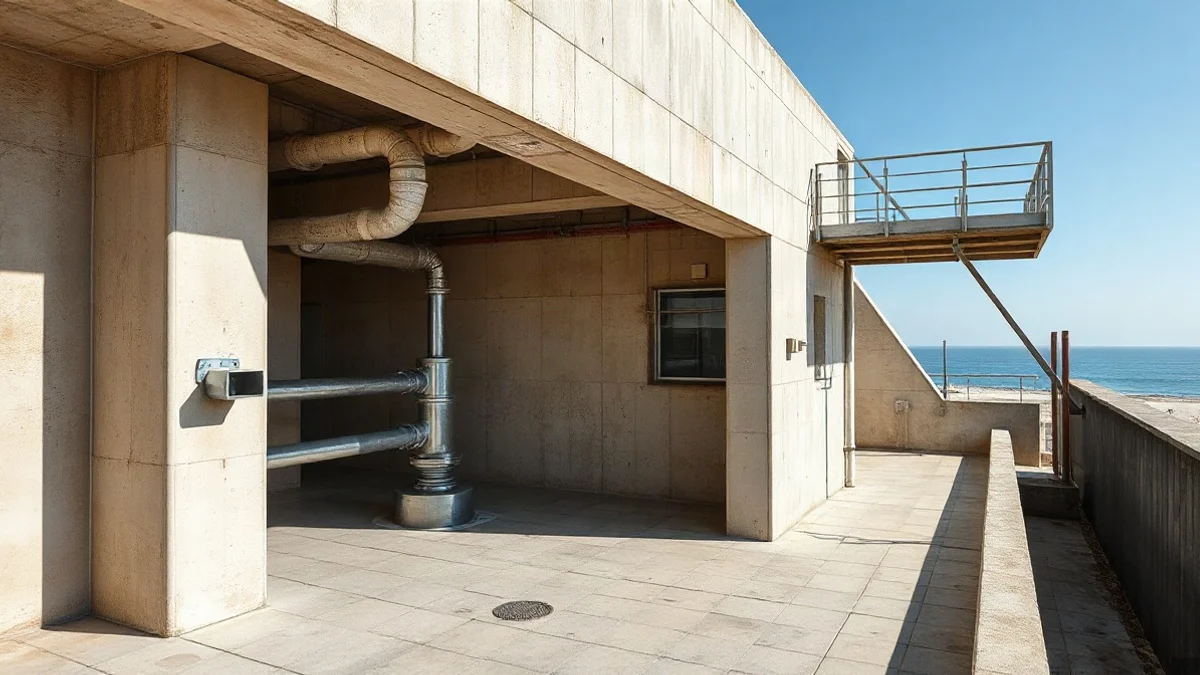
Mei Ashkelon has pioneered unique urban integration projects, transforming essential facilities into public assets. In the Barnea neighborhood and near the Ir Yamin district, pumping stations were built with scenic observation decks overlooking the sea on top, serving thousands of residents daily. Similarly, massive emergency water reservoirs in Ashkelon's Ir HaYayin neighborhood were decorated with giant murals depicting the area's historical background, turning utilitarian structures into prominent local landmarks.
In addition to structural innovation, the corporation is rolling out smart water meters across the region. Equipped with tiny antennas transmitting consumption data to a computerized control system, the smart meters allow remote reading, anomaly detection, and early warnings for potential leaks. If continuous water flow is detected for three consecutive hours, the system automatically alerts consumers via email and SMS, shifting municipal service from reactive repairs to proactive preventive care.
The Heavy Cost of Wet Wipes
Beyond technological upgrades, the corporation is waging an extensive public awareness campaign against flushing wet wipes down toilets. Unlike toilet paper, wet wipes do not dissolve in sewage systems; they accumulate in pipes, damage pumps and mechanical equipment, and cause severe sewage overflows and environmental hazards.
"We estimate the damage at millions of shekels annually—funds that should otherwise go toward development and service improvements," Hazut states. "Our message to residents is simple: throw wet wipes in the trash, not the toilet. A small change in everyone's habits can prevent massive damage."
From Tap to Agricultural Fields
Water utilized by Ashkelon and Netivot residents is purchased from Mekorot, with the primary share originating from the desalination plant located in southern Ashkelon. The corporation maintains over 40 consumer connection points to Mekorot in Ashkelon and six in Netivot. Meanwhile, treated wastewater from regional purification plants is redirected to agricultural water associations for crop irrigation, while sludge is utilized to fertilize agricultural soil, ensuring a sustainable closed-loop water economy.
Concluding with his vision for the future, Hazut emphasizes that every project and technological upgrade serves a singular ultimate purpose: enhancing residents' quality of life. "We operate out of a deep sense of public responsibility. Even in the most complex times, residents must know someone is ensuring essential services keep running. We will continue working to guarantee that the people of Ashkelon and Netivot enjoy reliable, advanced infrastructure today and for generations to come."