Israel Considers Major Overhaul of Autism Benefits and Diagnostics
A professional committee in Israel has recommended overhauling autism support and diagnostics to curb soaring state spending, which is projected to reach 18 billion shekels by 2030. The reform proposes a tiered model based on individual needs instead of uniform benefits.

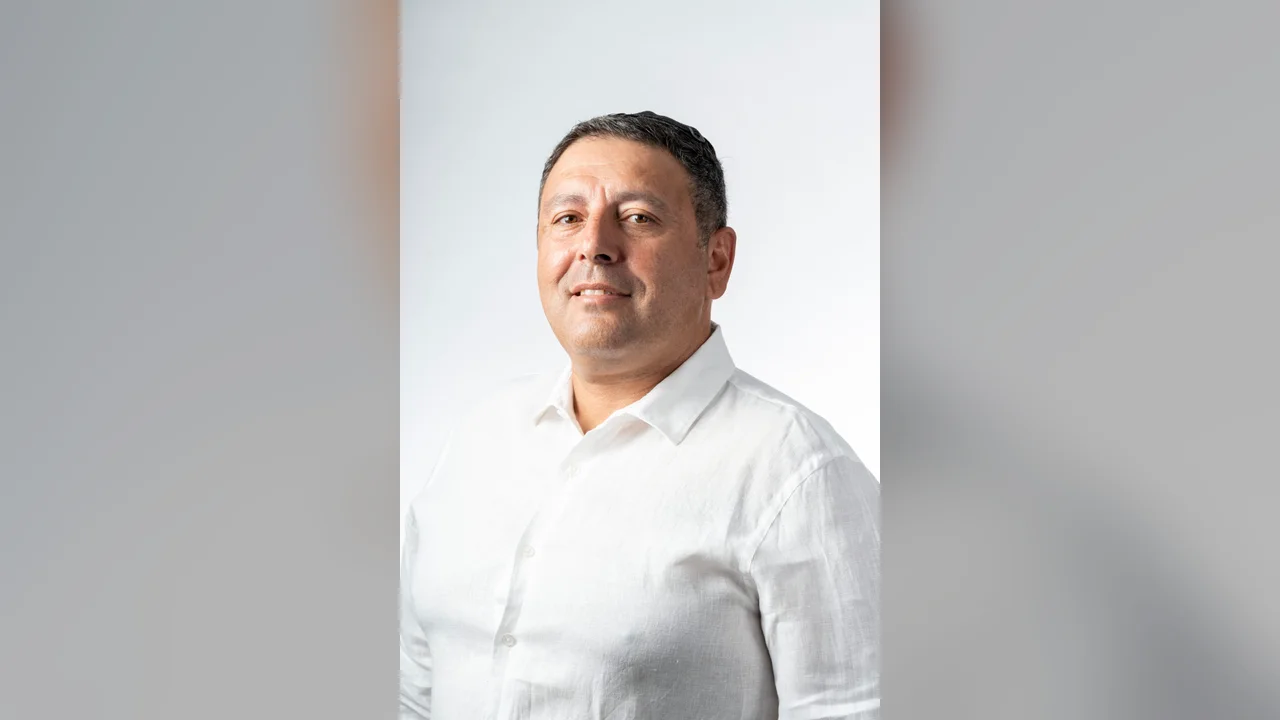
A professional committee headed by Nir Kedar, CEO of the Taub Center, has published recommendations that could fundamentally reform the system of benefits, diagnoses, and services for children on the autism spectrum in Israel. The proposals aim to address a sharp surge in state spending on disability allowances, which jumped from 1 billion shekels in 2013 to 9 billion shekels in 2025, with projections reaching 18 billion shekels annually by 2030. According to media reports, the number of autistic children in Israel has surged by 490% since 2013, representing an exceptional growth rate by international standards.
The committee points out that the current entitlement system relies primarily on the diagnosis itself rather than the child's actual functional level and personal needs. Today, any child diagnosed on the autism spectrum is entitled to a broad basket of treatments and benefits, regardless of their relatively high functioning level. Conversely, children with more complex challenges who require intensive treatment hours often do not receive all necessary support due to professional shortages and systemic bottlenecks.
The proposed solution involves transitioning to a tiered model where each child will be evaluated across six different domains to determine a tailored basket of services. Under this framework, children requiring substantial support may receive more resources, while those with lighter needs will receive an adjusted, narrower package. Furthermore, diagnostic responsibilities would shift to the health maintenance organizations, effectively eliminating private diagnoses currently used to secure public entitlements and canceling reimbursement systems for private therapies.
While the Kedar Committee emphasizes that shifting diagnostics and treatments to the public system will require significant budget additions to attract professionals from the private sector, the reform is intended to be implemented gradually. Initially, public diagnostic pathways will focus on young children and complex cases. The committee also recommends that all public bodies, including the National Insurance Institute, the Ministry of Health, the Ministry of Education, and the Ministry of Welfare, adopt a unified, binding assessment instead of requiring separate bureaucratic evaluations.
The committee was established at the initiative of Ministry of Health Director-General Moshe Bar Siman Tov, with representatives from various government offices and the National Insurance Institute. Although the committee's work does not directly mandate changes to disability benefit amounts, its recommendations could provide the National Insurance Institute with a standardized model to tailor future entitlements. The recommendations still require official government adoption and implementation.