Markets Brace for Israeli Elections, Fed Rate Decision and Tech Earnings
Global markets navigate a high-stakes week featuring upcoming Israeli and U.S. elections, central bank rate decisions, and crucial Big Tech earnings reports amid surging oil prices and geopolitical tensions.
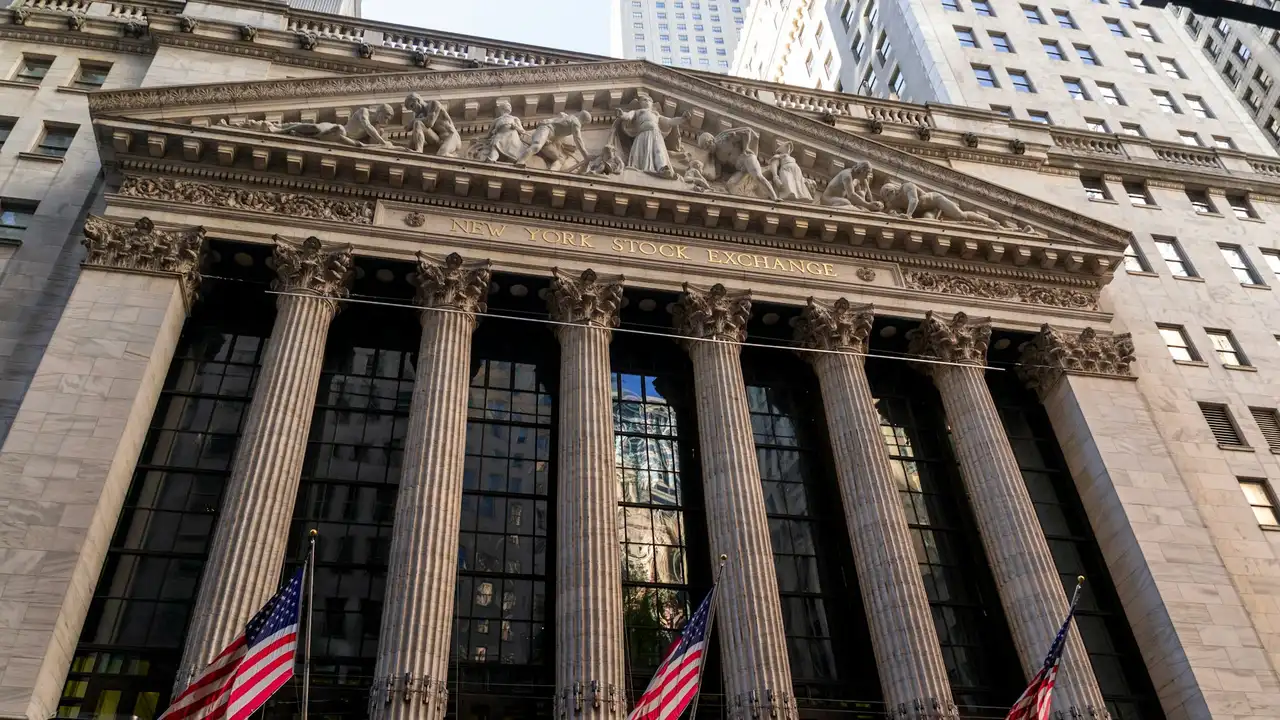
Global markets face a pivotal week defined by intense geopolitical friction, soaring oil prices, and a heavy macro calendar. Oil prices surged to fresh multi-month highs amid escalating Middle East tensions and concerns over supply disruptions, while U.S. Treasury yields retreated as investors sought safe-haven assets.
Israeli Elections and Market Impact
Israel holds its parliamentary elections on Tuesday, keeping local markets on edge. The Tel Aviv Stock Exchange will be closed on election day, setting up heightened volatility for Wednesday. Dual-listed stocks are expected to open with a positive arbitrage gap of 0.25%, led by Palo Alto Networks, which is projected to jump over 8% following an Evercore ISI survey showing strong corporate cybersecurity budgets. Software firm NICE is also expected to gain about 5%. Conversely, Formula Systems could drop over 6%.
Dr. Gildin, a hedge fund manager at Karni Family Office, noted that the key factor for the market is not who wins, but whether the outcome allows for a stable coalition and responsible budgeting. Meanwhile, the Tel Aviv Stock Exchange research unit analyzed ten elections between 2003 and 2022, revealing a historical pattern of an initial positive reaction on the first trading day, a pullback in the first week, and a recovery within a month.
Wall Street Earnings and Macro Decisions
In New York, major stock indices closed mixed, with the S&P 500 and Nasdaq notching their second consecutive weekly declines. Chip stocks faced heavy selling pressure as the SOXX ETF dropped about 3% into bear market territory, while cybersecurity stocks rallied 7.4%.
This week puts Big Tech under the microscope with earnings from Alphabet, Microsoft, and Amazon. Investors will scrutinize capital expenditure forecasts for artificial intelligence and how these outlays translate into bottom-line profits. Nick Giorgi, chief market strategist at Alpine Macro, told Reuters that the market is critically evaluating all expenses tied to AI expansion, noting that while this is healthy, it signals short-term pain.
Central Banks and Monetary Policy
The Federal Reserve is widely expected to keep interest rates unchanged at 4% on Wednesday, though some major institutions like Bank of America assign a higher probability to a surprise hike to combat persistent inflation. Thursday brings the September PCE report, the Fed's preferred inflation gauge, alongside third-quarter GDP growth figures.